

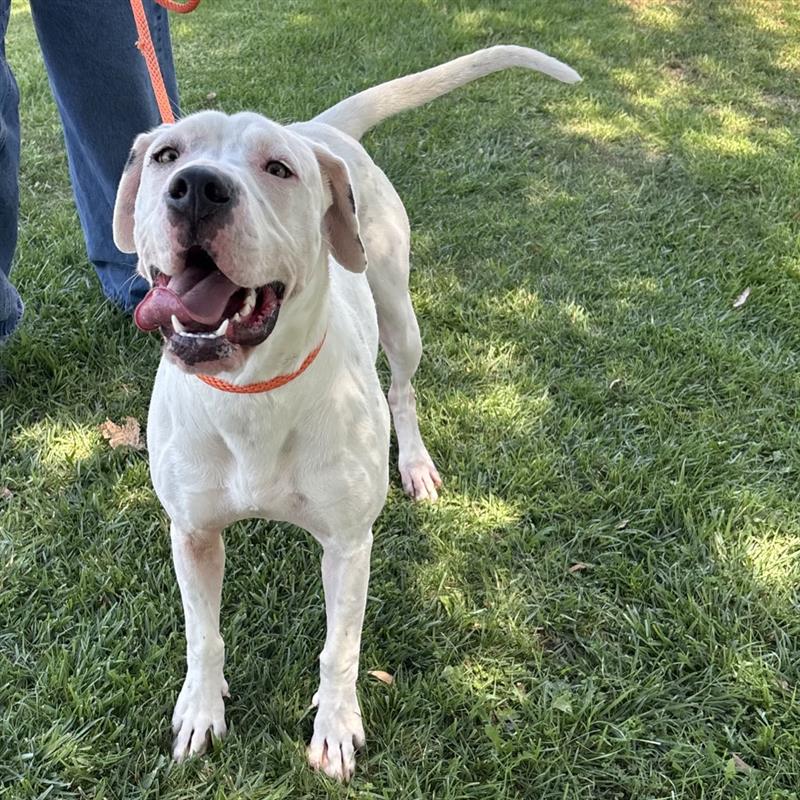








If I asked you to picture a healthy Dachshund, you’d probably think about their weight, shiny coat, strong muscles, or maybe whether they’re free from back pain.
But what about their mental and emotional health?
That’s what this article is about.

Throughout this article, I’ll use the term behaviorally healthy. To me, it’s the best way to describe what a mentally and emotionally healthy Dachshund looks like in everyday life.
A behaviorally healthy Dachshund is generally able to regulate their emotions, adapt to change, recover from stress, express natural breed behaviors appropriately, and build a secure relationship with their person.
Many things influence a Dachshund’s behavioral health, including genetics, physical health, early experiences, environment, and whether their physical, emotional, cognitive, and instinctive needs are consistently being met.
Unfortunately, behavioral health isn’t something many Dachshund owners know how to look for.
In the Dachshund community, it’s common to hear things like, “They’re just stubborn,” “They always bark at everything”, or “That’s just what Dachshunds do.”
Over time, it’s easy to accept certain behaviors as simply part of the breed without stopping to ask whether they might also be signs that a dog needs more support developing confidence, emotional regulation, resilience, or other important life skills.
That’s one reason I wanted to write this article.
We’ve Been Measuring the Wrong Thing
For decades, dog training has largely focused on one question: “How do I stop unwanted behaviors?“
But I think there’s a better question to ask: “What is my Dachshund communicating to me with their behavior?“
A Dachshund can bark because they’re joyfully alerting you that someone is at the door, or because they’re living in a constant state of stress.
The behavior might look similar. The emotional state behind it is completely different.
That’s why behavior isn’t a measure of “good” or “bad”.
Dogs aren’t “good” because they’re quiet, and they aren’t “bad” because they bark, dig, sniff everything in sight, or insist on investigating every interesting smell during a walk.
Behavior is information.
It tells us something about what a dog is experiencing, feeling, or needing in that moment.
When we start looking at behavior through that lens, our goal shifts from controlling our Dachshunds to helping them thrive.
Behavioral Health Isn’t All or Nothing
In reality, behavioral health exists on a continuum. It’s not black and white.
Dachshunds aren’t simply behaviorally healthy or behaviorally unhealthy.
Just like people, dogs have better days and harder days.
Lack of sleep, pain, illness, major life changes, stressful experiences, or even a particularly exciting weekend can temporarily affect how well a dog copes.
The goal isn’t perfection. The goal is resilience.
A behaviorally healthy Dachshund still gets startled. They still bark. They still become excited, frustrated, or worried.
The difference is that they can recover and move forward instead of remaining stuck in those emotional states.
That ability to recover (called resilience) is one of the strongest indicators of behavioral health.
The Six Pillars of Behavioral Health
Here’s the framework I use when determining whether a Dachshund’s welfare needs are being met, which heavily influences their behavioral health.
1. Physical well-being
Behavior always starts with physical health.
Pain, illness, poor sleep, digestive discomfort, untreated injuries, and other medical issues can dramatically affect behavior.
A Dachshund experiencing chronic discomfort is more likely to become irritable, anxious, reactive, or reluctant to participate in everyday activities.
If you’ve been following me for a while, you watched how I discovered that pain and discomfort influenced my Dachshund Summit’s resource guarding and tolerance of other dogs.
That’s why behavior concerns should never be viewed in isolation.
If your Dachshund’s behavior changes suddenly or significantly, a veterinary evaluation should always be part of the conversation.
2. Emotional regulation
Life is full of exciting, frustrating, and sometimes scary moments.
Behaviorally healthy Dachshunds don’t avoid those emotions altogether. Instead, they experience them and then bounce back to being neutral instead of staying stuck.
For example, a healthy Dachshund might bark enthusiastically when someone knocks on the door. That’s completely normal.
The important part isn’t whether they bark. It’s whether they can settle again once they’ve communicated what they noticed.
The same is true during walks, training sessions, or unexpected events.
Your Dachshund doesn’t have to remain perfectly calm. They simply need the ability to return to a calm state afterward.
How quickly they recover matters more than perfection.
3. Behavioral fulfillment
Dachshunds weren’t bred to spend their lives lying quietly on the couch.
They were bred to hunt, which required a strong drive to dig, investigate, problem solve, persist, and make decisions independently.
Those instincts don’t disappear simply because they now live as family pets.
I never had a Dachshund that liked to dig until Otter. I didn’t love it, but when faced with the decision to meet my needs or deny him his, I taught him to dig in a specific area of the yard.
Behaviorally healthy Dachshunds regularly have opportunities to express those natural tendencies in appropriate ways.
That might mean following an interesting scent on a walk, searching for hidden treats, working through a food puzzle, digging in a designated digging area, shredding safe enrichment items, or exploring a new trail.
When those instinctive needs are consistently met, many everyday behavior challenges become easier to manage because your Dachshund has healthy outlets for being exactly who they were born to be.
4. Adaptability and resilience
Routine helps dogs feel secure.
I don’t mean a rigid schedule dictated by the clock, but a predictable pattern of events.
For example, every day, the dogs and I wake up, go potty and eat breakfast.
Generally, our evening routine is to eat dinner between 4:30 and 5:00 p.m., spend a few hours doing something together, then snuggle while we watch a streaming show or movie around 8:00 p.m.
They know that the events will generally follow this pattern whether we are at home, camping, or staying in a hotel.
This structure helps them generally understand what will happen in their day so that they can better cope when life doesn’t go exactly according to plan.
Behaviorally healthy Dachshunds can usually handle visitors, different walking routes, travel, schedule changes, and unfamiliar environments.
They may briefly get overexcited, confused, or upset, but they can “recover” and return to baseline quickly. Ordinary life doesn’t completely overwhelm them.
Confidence isn’t about fearlessness. It’s about believing, “I can handle this.”
5. Secure relationships
One of the clearest signs of behavioral health is the relationship your Dachshund has with you.
A secure relationship isn’t built on constant obedience. It’s built on trust and engagement.
Your Dachshund should feel comfortable checking in with you, seeking reassurance when needed, and communicating their needs without fear.
Likewise, they should know that you’ll provide guidance when they’re unsure, advocate for them when situations become overwhelming, and help them navigate the world successfully.
That’s one reason I believe in building a co-regulated relationship with your Dachshund.
When you can both cope in a healthy way with the stress that daily life brings, you can support each other better.
Secure relationships between pets in the same household matter too, but that is a whole other topic I will address another time.
6. Engagement with life
Behavioral health isn’t simply the absence of stress. It’s the presence of positive experiences.
Behaviorally healthy Dachshunds are generally interested in the world around them and proceed with confidence.
They investigate. They explore. They play. They notice interesting smells. They enjoy adventures. They solve little problems. They rest deeply when they’re tired.
In other words, they’re actively participating in life instead of simply reacting to it.
What This Looks Like in a Dachshund
Although these principles apply to all dogs, Dachshunds often express them in ways that reflect what they were originally bred to do.
A behaviorally healthy Dachshund is usually curious rather than chronically worried.
They enjoy using their nose and investigating their surroundings.
They tend to be independent thinkers who like solving problems instead of waiting for constant direction.
They often bark to alert you when something changes in their environment, but they can eventually return to relaxing once they’ve finished communicating.
They’re persistent when working toward a goal, whether that’s finding a hidden treat or figuring out how to reach a favorite toy, without becoming frantic when things don’t immediately go their way.
Most importantly, they recover.
They recover after exciting moments. They recover after frustrating moments. They recover after scary moments.
That doesn’t mean they always handle every situation calmly.
It means they’re developing the emotional flexibility to handle life’s inevitable ups and downs.
A Behavioral Health Self-Assessment
As you think about your own Dachshund, ask yourself these five questions:
- Can my Dachshund settle and truly relax for part of most days?
- After something exciting or startling happens, can they return to a calm state within a reasonable amount of time?
- When my Dachshund becomes frustrated or uncertain, do they continue trying, look to me for guidance, or immediately become overwhelmed?
- Do they willingly engage with me and use our relationship as a source of support when they need it?
- Do I feel like my Dachshund is confidently participating in life, or mostly reacting to it?
Your Dachshund doesn’t need to score perfectly, but if you answered “not really” to one or more of these questions, that’s information that can help you identify areas where your Dachshund may need a little more support.
Many dogs don’t naturally develop emotional regulation, resilience, confidence, or effective communication on their own.
These are skills we can help build through thoughtful experiences, consistent guidance, opportunities to practice natural behaviors, and a relationship based on trust.
If you need help navigating this, or want to talk through an undesired behavior to see what it means, sign up for my Behavior & Training Clarity Session.
Final Thoughts
If there’s one thing I hope you take away from this article, it’s this:
A behaviorally healthy Dachshund isn’t one who never barks, never gets frustrated, or never struggles.
It’s one who has the physical health, emotional skills, fulfilling outlets, supportive relationships, and confidence to recover from those moments and continue engaging with life.
That’s a very different goal than simply creating a “well-behaved” dog.
And in my experience, when we focus on behavioral health first, good behavior often follows naturally.
