

When you purchase through links on our site, we may earn a commission at no extra cost to you. Learn more.
Jack Russell Terriers have a reputation for being tough, energetic, and surprisingly long-lived. And, for the most part, that’s true. But that nonstop energy and compact build come with a few specific weak points.
From joint problems that affect mobility to genetic neurological conditions most owners have never heard of, some issues are more common in this breed than others, and knowing what to look for early can make a huge difference. Understanding these Jack Russell Terrier health problems can help you provide better care and quality of life for your pup.
Planning Ahead For Jack Russell Terrier Vet Bills
Jack Russells are small dogs, but their vet bills can add up quickly. Some of the most common health issues in this breed involve joints, eyes, and neurological function. That means treatment is not always as simple as medication.
That’s why planning ahead matters. Whether that means setting aside savings or considering pet insurance, it is worth thinking about before something happens.
See our guide to the best pet insurance for Jack Russell Terriers and get a free quote using the form below.

10 Common Jack Russell Terrier Health Issues
Jack Russells are generally healthy dogs, but they are not immune to breed-specific risks. Most of their common health problems fall into a few key categories: joint issues, neurological conditions, eye disorders, and age-related disease.
Here are the most common Jack Russell Terrier health problems and the signs every owner should know.
1. Primary Lens Luxation (PLL)
Primary Lens Luxation (PLL) is an inherited eye condition where the lens of the eye shifts out of its normal position. Jack Russells are one of the breeds known to be at higher risk.
PLL can happen suddenly and is considered an emergency, as it can lead to severe pain and permanent blindness if not treated quickly.
Symptoms
- Sudden eye redness
- Squinting or pawing at the eye
- Cloudy appearance in the eye
- Vision loss or bumping into objects
- Signs of pain (whining, avoiding light)
Diagnosis & Treatment
A veterinary ophthalmologist will confirm the diagnosis.
Treatment may include medications to reduce intraocular pressure or surgery to remove the lens. In severe cases, removal of the eye may be necessary to relieve pain.
Early intervention is critical to preserving vision.
2. Progressive Retinal Atrophy (PRA)
Progressive Retinal Atrophy (PRA) is a group of genetic eye disorders that cause gradual vision loss over time. It starts subtly, often with night blindness, and slowly progresses to full blindness.
Because the change is gradual, many dogs adapt so well that owners do not notice until vision is significantly impaired.
Symptoms
- Difficulty seeing in low light
- Hesitation in unfamiliar environments
- Bumping into objects
- Dilated pupils
- Increased eye shine
Diagnosis & Treatment
A veterinary ophthalmologist typically diagnoses PRA. There is no cure, but the condition is painless.
Most dogs adjust well to vision loss, especially when their environment stays consistent. Early diagnosis is helpful so you can make safe adjustments at home.
3. Hereditary Ataxia
Hereditary ataxia, also called spinocerebellar ataxia, is a genetic neurological condition that affects coordination, balance, and movement in Jack Russell Terriers. It is one of the more serious inherited disorders seen in this breed.
Symptoms
- Wobbly or unsteady walking
- Crossing over of the legs
- “Goose-stepping” gait in front limbs
- Difficulty balancing or standing still
- Progressive loss of coordination
Diagnosis & Treatment
Changes in gait begin at 2-9 months of age. Diagnosis typically involves a neurological exam, genetic testing, and ruling out other causes of coordination issues.
There is no cure for hereditary ataxia. Management focuses on maintaining quality of life and preventing injury as mobility declines.
Because it is inherited, genetic screening is key in reducing its occurrence.
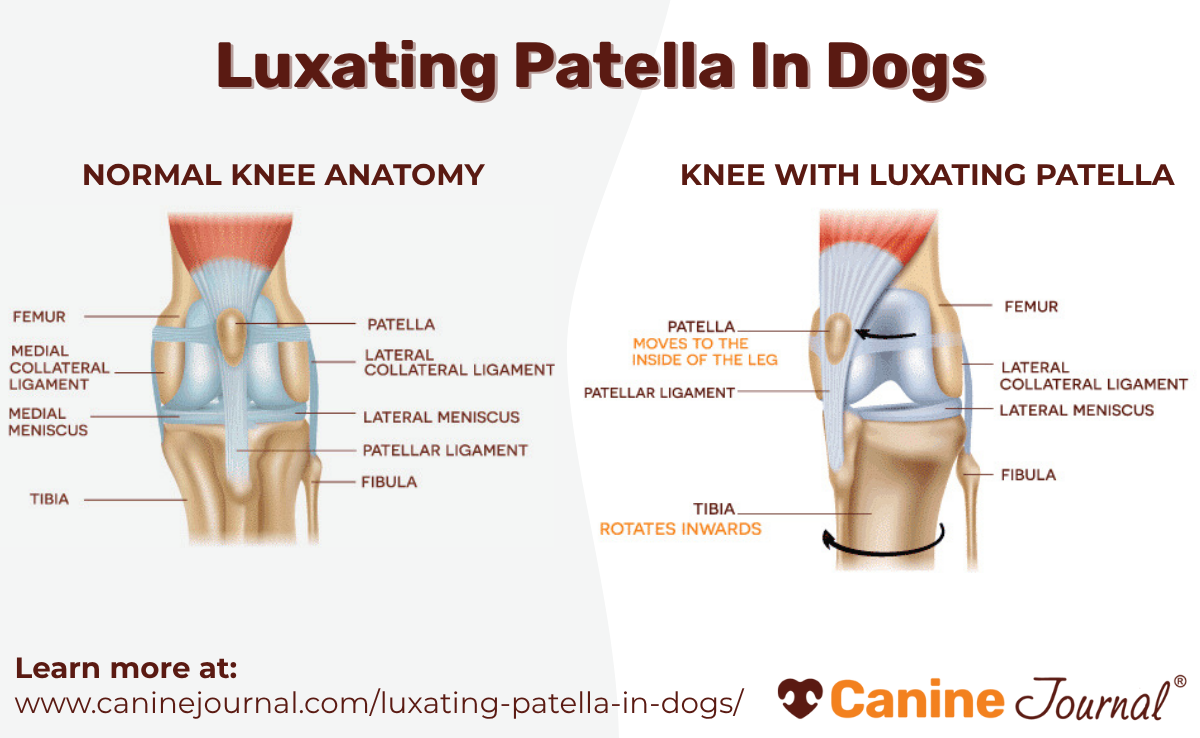
4. Patellar Luxation
Luxating patella, or a slipping kneecap, is one of the most common joint problems in small dogs. Some dogs experience only occasional slipping, while others develop more severe instability over time.
Because Jack Russells are constantly running, jumping, and pivoting, this condition can worsen without intervention.
Symptoms
- Skipping or hopping on one leg
- Sudden lameness that resolves quickly
- Clicking or popping in the knee
- Reluctance to jump or run
- Stiffness after activity
Diagnosis & Treatment
Vets can often diagnose patellar luxation during a physical exam, though X-rays may be used to assess severity.
Mild cases may not require treatment beyond weight management and joint support. More severe cases often need surgical correction to stabilize the kneecap.
5. Epilepsy
Epilepsy is a neurological condition that causes recurrent seizures. In many cases, it is inherited and appears in otherwise healthy dogs.
Seizures can vary in severity and frequency. While they can be alarming to witness, many dogs with epilepsy can live full, active lives with proper management.
Symptoms
- Sudden collapse
- Muscle twitching or full-body seizures
- Drooling or foaming at the mouth
- Paddling movements
- Confusion or disorientation after an episode
Diagnosis & Treatment
Diagnosis typically involves ruling out other causes through bloodwork and imaging.
While epilepsy cannot be cured, it can often be controlled with medication. Your vet will determine the best treatment plan based on seizure frequency and severity.
6. Hyperuricosuria
Hyperuricosuria is a genetic condition that causes elevated uric acid levels in the urine. This increases the risk of forming bladder or kidney stones.
These stones can be painful and may require surgical removal if they become large or cause blockages.
Symptoms
- Frequent urination
- Straining to urinate
- Blood in the urine
- Accidents in the house
- Signs of discomfort or pain
Diagnosis & Treatment
Your vet may diagnose this condition through urine testing and imaging.
Treatment often involves a combination of diet changes, increased hydration, and medication. In more severe cases, surgery may be required to remove stones.
7. Deafness
Deafness in Jack Russell Terriers can be present from birth or develop later in life. It is more commonly seen in dogs with a high proportion of white in their coat and is linked to genetic factors that affect hearing.
Some dogs are completely deaf, while others may have hearing loss in only one ear. Because Jack Russells are highly visual and responsive, mild cases can go unnoticed for a long time.
Symptoms
- Not responding to sounds or commands
- Sleeping through loud noises
- Difficulty locating where sounds are coming from
- Startling easily when touched
- Changes in behavior or responsiveness
Diagnosis & Treatment
Hearing is typically evaluated using a BAER (Brainstem Auditory Evoked Response) test, which measures the brain’s response to sound.
There is no cure for congenital deafness, but most dogs adapt well with training that relies on visual cues and hand signals. Early diagnosis helps owners adjust communication methods effectively.
8. Cataracts
Cataracts occur when the lens of the eye becomes cloudy, interfering with the dog’s ability to see clearly. They can develop due to genetics, aging, or secondary conditions.
In Jack Russells, cataracts may appear gradually or progress more quickly depending on the cause. If left untreated, they can lead to significant vision impairment or blindness.
Symptoms
- Cloudy or bluish appearance in the eye
- Difficulty seeing, especially in dim light
- Bumping into objects
- Hesitation in new environments
- Increased clumsiness
Diagnosis & Treatment
Your vet can often detect cataracts during an eye exam, though referral to a veterinary ophthalmologist may be recommended.
In mild cases, monitoring may be all that is needed. More advanced cataracts can be treated with surgery to restore vision, which is often highly successful in otherwise healthy dogs.
9. Cushing’s Disease (Hyperadrenocorticism)
Cushing’s disease is a hormonal disorder that typically affects older dogs.It occurs when the body produces too much cortisol.
Because the symptoms develop gradually, they are often mistaken for normal aging at first.
Symptoms
- Increased thirst and urination
- Increased appetite
- Weight gain, especially around the abdomen
- Hair thinning or hair loss
- Low energy
Diagnosis & Treatment
Diagnosis involves blood tests and sometimes imaging to identify the underlying cause.
While Cushing’s disease is not usually curable, it can often be managed with medication. With proper treatment, many dogs maintain a good quality of life.
10. Degenerative Myelopathy (DM)
Degenerative myelopathy is a progressive disease of the spinal cord that affects mobility over time. It typically appears in older dogs and gradually worsens as nerve function declines.
The condition begins with subtle weakness in the hind legs and can progress to paralysis. Unlike some other spinal conditions, it is not usually painful, which can make it harder to detect early.
Symptoms
- Weakness in the back legs
- Dragging of the paws
- Difficulty standing or walking
- Loss of coordination in the hind limbs
- Progressive paralysis over time
Diagnosis & Treatment
Diagnosis is often made by ruling out other spinal conditions, sometimes combined with genetic testing.
There is no cure for degenerative myelopathy. Management focuses on supportive care, including physical therapy and mobility support, to maintain quality of life for as long as possible.
Other Health Conditions That Affect Jack Russell Terriers
While the conditions above are the most common and impactful, several other disorders have been reported in Jack Russell Terriers. Most are less frequent, but they are still worth being aware of, especially if you are noticing unusual symptoms or working with a breeder on health testing.
Less Common (But Notable) Conditions
- Von Willebrand’s Disease (vWD): An inherited bleeding disorder that can cause prolonged bleeding after injury or surgery.
- Subaortic Stenosis (SAS): A heart condition that restricts blood flow and can lead to exercise intolerance or, in severe cases, sudden complications.
- Coonhound Paralysis: A rare neurological condition that causes sudden weakness or paralysis, often following exposure to certain environmental triggers.
- Congenital Myasthenia Gravis: A neuromuscular disorder that leads to muscle weakness, fatigue, and sometimes collapse.
Eye Conditions Beyond The Big Three
In addition to PLL, PRA, and cataracts, Jack Russells may also develop:
- Glaucoma (increased pressure in the eye, can lead to blindness)
- Distichiasis (misdirected eyelashes that irritate the eye)
- Persistent pupillary membranes (developmental eye abnormality)
These are less common but can still impact comfort and vision if not addressed.
Structural & Developmental Issues
- Legg-Calvé-Perthes Disease: A hip condition seen in some small breeds that causes pain and limping.
- Hemivertebrae: Abnormal spinal development that can affect posture and mobility.
- Jaw alignment issues (overshot or undershot bite): May impact chewing or dental health.
Why This Matters
Most Jack Russells will never experience many of the conditions listed here. However, being aware of them helps you recognize when something is not normal and advocate for your dog early.
When it comes to health issues, catching problems sooner almost always leads to better outcomes.
Real Talk: Why Planning Matters
Many of Jack Russell Terrier heatlh issues are not preventable, especially genetic conditions. And some, like seizures, can happen without warning.
That’s why many owners consider pet insurance early, before symptoms appear. Coverage can help offset unexpected costs and make treatment decisions easier in high-stress situations.
6 Simple Ways To Keep Your Jack Russell Healthy
Jack Russells are naturally hardy dogs, but their lifestyle and genetics mean they benefit from proactive care. Here are some of the most effective ways to support their long-term health.
1. Keep Them At A Healthy Weight
Extra weight puts stress on joints and the spine, increasing the risk of conditions like luxating patella. View our tips to help your dog lose weight.
2. Prioritize Daily Exercise (But Keep It Controlled)
They need activity, but constant high-impact jumping can increase injury risk. Mix in structured play, walks, and mental stimulation.
3. Stay On Top Of Dental Care
Regular brushing and professional cleanings can prevent painful dental disease and reduce the risk of systemic infection.
4. Schedule Routine Vet Visits
Annual (or twice-yearly) checkups help catch issues early, especially eye problems and hormonal changes.
5. Watch For Subtle Behavior Changes
Small shifts, like hesitating to jump or slight balance issues, can be early signs of bigger problems.
6. Choose A Reputable Breeder Or Ask About Health History
Responsible breeders test for inherited conditions like PLL and deafness. If you have a rescue, your vet can help guide screening and monitoring.
Frequently Asked Questions
Jack Russells are often described as tough, long-living dogs. That is true, but it also means many owners overlook early warning signs or assume changes are just part of aging.
Here are some of the most common questions owners ask. Don’t see your question? Respond in the comments, and we’ll get back to you!
What Is The Life Expectancy Of A Jack Russell Terrier?
Jack Russell Terriers typically live 12 to 14 years, and many reach past that range with proper care.
Their longevity is one of their biggest advantages as a breed. However, maintaining that longevity often depends on managing joint health, dental care, and age-related conditions.
What Do Jack Russell Terriers Usually Die From?
Jack Russells do not have one single dominant cause of death, but a few patterns show up more often:
- Age-related conditions like organ decline
- Neurological issues, including degenerative conditions
- Heart disease, though less common than in some breeds
- Injuries or accidents, due to their high energy and risk-taking behavior
Because they are so active and driven, accidents and injuries can play a bigger role than many owners expect.
Are Jack Russell Terriers Generally Healthy Dogs?
Yes, Jack Russells are considered a relatively healthy breed overall.
However, they are prone to specific genetic and structural issues, particularly involving joints, eyes, and neurological function. Being aware of these risks helps you catch problems early and manage them effectively.
What Age Is Considered Old For A Jack Russell Terrier?
Most Jack Russells are considered seniors around 10 to 12 years old. At this stage, you may start to notice changes in energy levels, mobility, or vision.
Regular vet care becomes even more important for monitoring age-related conditions.
Need Gear For Your Jack Russell Pup?
Keeping your Jack Russell healthy goes beyond vet visits. The right gear can make a big difference in preventing injuries, supporting joint health, and managing their high energy levels.
If you are looking for ways to support your dog’s daily routine, check out our guides on:
A few smart upgrades can go a long way in helping your Jack Russell stay active, safe, and healthy for years to come.