





You’re cracking open a bag of pistachios and your dog is giving you those eyes. It’s tempting to toss one over, but before you do, it’s worth knowing what these little nuts can actually do to your dog’s body.
Pistachios are not classified as toxic to dogs in the same way grapes or xylitol are. However, that doesn’t make them safe. There are several serious health concerns every dog owner should understand before sharing this popular snack.
Toxicity and Safety: Understanding Pistachio Risks for Dogs
Pistachios don’t contain a compound that is directly poisonous to dogs. The danger lies in how dogs process high-fat, high-sodium foods — and pistachios are both.
According to veterinary experts, eating pistachios regularly, especially salted or with shells, can lead to dietary issues, weight gain, or more severe digestive blockages over time. Even a small, occasional handful carries real risk depending on your dog’s size and health history.
Smaller dogs are at significantly greater risk than large breeds. What might cause mild stomach upset in a Labrador could send a Chihuahua to the emergency vet.
High Fat Content and Pancreatitis Concerns
Pistachios are naturally high in fat. While healthy fats benefit humans, dogs metabolize dietary fat very differently, and excessive intake is a leading trigger for pancreatitis.
Pancreatitis is a painful and potentially life-threatening inflammation of the pancreas. Symptoms include vomiting, lethargy, loss of appetite, and a hunched posture. It often requires hospitalization and IV fluids to treat effectively.
Dogs who are already prone to weight-related conditions face compounded risk. Repeated exposure to high-fat snacks like pistachios can quietly contribute to obesity, which then increases the likelihood of pancreatitis and other metabolic diseases.
Aflatoxin Contamination and Mold-Related Poisoning
One of the most overlooked dangers of pistachios is mold contamination. Pistachios are particularly susceptible to Aspergillus mold, which produces aflatoxins — some of the most potent natural carcinogens known.
Research from the FAO on pistachio contamination shows that high humidity and high temperatures within storage bins create ideal conditions for aflatoxin development, dramatically increasing contamination levels until nuts are properly dried or refrigerated.
Dogs are far more sensitive to aflatoxin than humans. Even small amounts can cause liver damage, jaundice, lethargy, and in severe cases, death. The FDA has documented multiple cases of aflatoxin poisoning in pets linked to contaminated food products. A pistachio that looks and smells fine can still carry dangerous mold toxins.
Choking Hazards and Intestinal Blockage Prevention
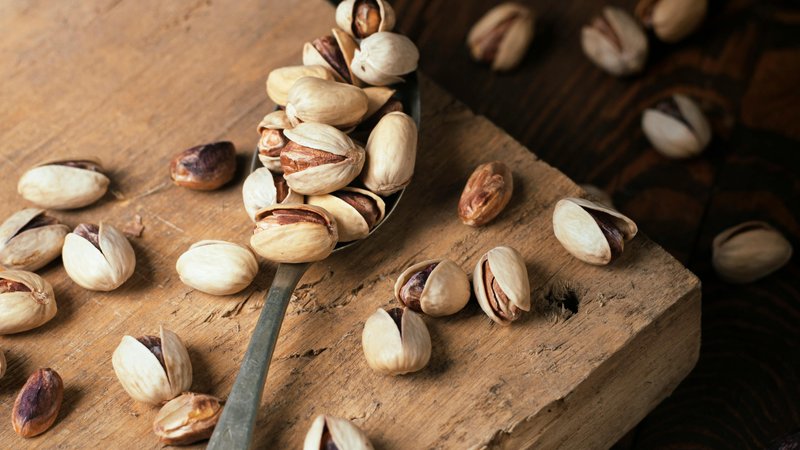
Pistachio shells are a serious physical hazard. They are hard, sharp-edged, and indigestible. If swallowed, shells can cause lacerations in the esophagus or stomach lining, or create a dangerous intestinal blockage.
Even shelled pistachios pose a choking risk for small dogs who tend to swallow food without chewing. Dogs exploring other types of seeds and nuts face similar physical risks if portion sizes and preparation aren’t carefully managed.
Signs of a blockage include repeated vomiting, inability to keep water down, abdominal bloating, and extreme lethargy. This is a veterinary emergency and requires immediate attention.
Safe Preparation and Serving Guidelines for Dog Owners
The safest choice is simply not to feed pistachios to your dog. There are no nutritional benefits in pistachios that your dog cannot get from a balanced, species-appropriate diet.
If your dog has already eaten one or two plain, unsalted, shelled pistachios, the risk is low. Monitor for vomiting, diarrhea, or signs of discomfort over the next 24 hours. If symptoms appear, contact your veterinarian promptly.
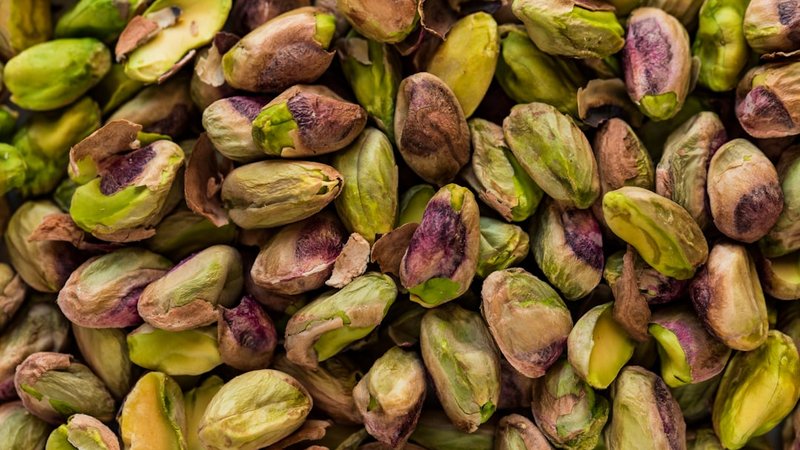
Never offer pistachios that are salted, flavored, or still in the shell. Seasonings like garlic and onion powder — common on flavored nut mixes — are directly toxic to dogs and dramatically increase the danger.
Nutritional research, including studies on nut quality and composition, confirms that pistachios carry a complex nutritional profile that the human digestive system handles very differently from a dog’s. What nourishes us can genuinely harm them.
When it comes to treating your dog, stick to snacks specifically designed for canine digestion. If you’re curious about which seeds and plant-based foods are genuinely safe, options like chia seeds for dogs offer real nutritional value without the associated risks of tree nuts.
Your dog doesn’t need pistachios. And knowing that is one of the simplest ways to keep them healthy for years to come.