

Oatmeal is a breakfast staple in millions of homes, and it’s natural to wonder whether your dog can share in that morning bowl. The good news is that plain, cooked oatmeal is generally safe for most healthy dogs and can even offer some meaningful nutritional benefits.
That said, not all oatmeal is created equal, and preparation matters enormously when it comes to your dog’s safety. Knowing what to serve, how much to give, and what to avoid will help you make the right call for your pup.
Safety Profile and Nutritional Value of Oatmeal for Dogs
Oatmeal is packed with soluble fiber, vitamins B1 and B5, iron, zinc, and antioxidants. These nutrients support energy levels, immune function, and overall cellular health in dogs.
The soluble fiber found in oats, particularly beta-glucan, is especially valuable. It helps regulate blood sugar, supports healthy digestion, and can assist in managing cholesterol levels over time.
Oatmeal also contains linoleic acid, an omega-6 fatty acid that plays a key role in maintaining healthy skin and a shiny coat. For dogs prone to dry or itchy skin, this is a particularly welcome nutrient.
Preparation Methods: Cooked vs. Raw Oatmeal
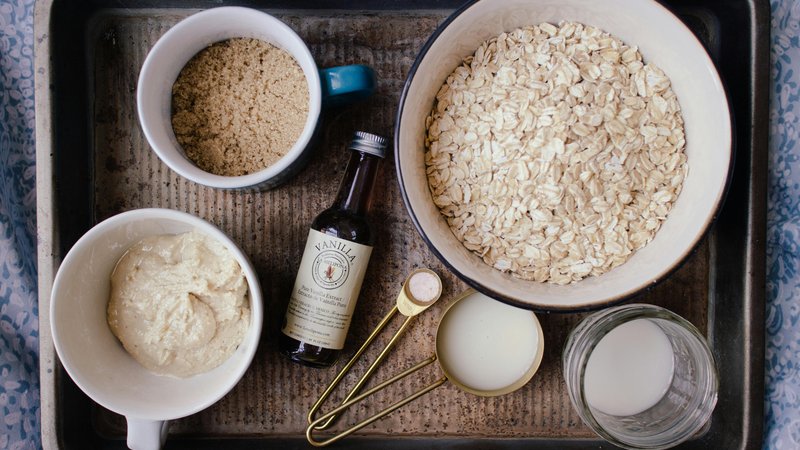
Always serve oatmeal cooked, never raw. Raw oats are much harder for dogs to digest and can cause bloating, gas, or stomach discomfort.
When cooking oatmeal for your dog, use water instead of milk. Many dogs are lactose intolerant, and milk-cooked oatmeal can trigger digestive upset even in dogs that seem to tolerate dairy in small amounts.
It’s also important to use whole grain oatmeal rather than quick-cook or instant varieties. Whole grain oats retain more fiber and nutrients, while instant oatmeal often contains added sugars, artificial flavors, or sodium that are harmful to dogs.
Appropriate Portion Sizes Based on Dog Weight
Portion size is one of the most important factors when feeding oatmeal to your dog. Too much of even a healthy food can cause problems.
A general guideline is one tablespoon of cooked oatmeal per 20 pounds of body weight. Small dogs should receive no more than one tablespoon per serving, while large breeds can tolerate up to three tablespoons.
Oatmeal should always be an occasional treat, not a dietary staple. Commercial dog foods already contain carbohydrates, and overloading your dog with extra carbs can lead to weight gain that puts unnecessary stress on the joints.
Ingredients to Avoid: Toxic Additives and Harmful Toppings
Plain oatmeal is safe, but the additions that make it delicious for humans can be dangerous for dogs. Never add sugar, brown sugar, maple syrup, honey, or artificial sweeteners like xylitol, which is highly toxic to dogs.
Skip the raisins and grapes entirely, as these are known to cause kidney failure in dogs even in small quantities. Cinnamon in large amounts can also irritate a dog’s mouth and digestive system.
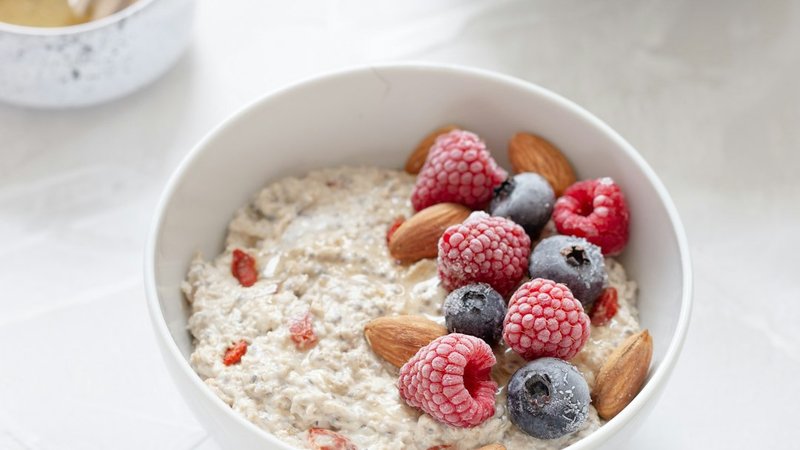
If you want to add something extra, consider a small amount of plain blueberries or a thin spread of xylitol-free peanut butter. Much like exploring safe seeds and plant-based foods for dogs, the key is always choosing simple, unprocessed additions.
Oatmeal for Dogs with Specific Health Conditions
Oatmeal’s high fiber content makes it a potentially useful food for dogs managing certain health conditions. Dogs with constipation or irregular digestion may benefit from small, consistent servings of plain cooked oats.
For dogs dealing with pancreatitis alongside secondary conditions, dietary choices become more nuanced. Metabolic and hepatic recipes designed for conditions like diabetes or liver disease may be more appropriate than oatmeal alone, and a vet’s guidance is essential in these cases.
Dogs with diabetes may also benefit from oatmeal’s low glycemic index, but portion control remains critical. Always consult your veterinarian before introducing oatmeal to the diet of a dog with a chronic health condition.
Digestive and Coat Health Benefits
Beyond basic nutrition, oatmeal offers two standout benefits for dogs: improved digestion and a healthier coat. The soluble fiber helps firm up loose stools and supports a balanced gut microbiome.
The omega-6 fatty acids in oats contribute to reduced skin inflammation and a noticeably shinier coat over time. Dogs that struggle with seasonal dryness or mild skin irritation may see real improvement with regular, moderate oatmeal servings.
Just as chia seeds for dogs are celebrated for their omega-3 content and coat benefits, oatmeal earns its place as a wholesome, functional food when served correctly. Keep servings plain, portions modest, and your dog will get all the reward with none of the risk.