

You’re snacking on crackers and your dog is giving you those irresistible eyes. It’s tempting to share, but before you do, it’s worth knowing whether crackers are actually safe for dogs.
The short answer is: it depends. Some crackers are relatively harmless in small amounts, while others contain ingredients that can be genuinely dangerous to your dog’s health.
Plain Crackers and Moderation: What’s Safe for Your Dog
Plain, unsalted crackers made without harmful additives are generally not toxic to dogs. A single plain cracker given occasionally is unlikely to cause any serious harm.
However, “not toxic” doesn’t mean “beneficial.” Crackers offer virtually no nutritional value for dogs and should never replace a balanced, species-appropriate diet.
If you do share a plain cracker, keep it to one or two pieces at most. Treats of any kind should make up no more than 10% of your dog’s daily caloric intake, according to veterinary nutritional guidelines.
Toxic Ingredients and Harmful Additives to Avoid
Many crackers on store shelves are loaded with ingredients that are unsafe for dogs. Knowing what to look for on the label can protect your pet from a painful or even life-threatening reaction.
Garlic and onion powder are common cracker seasonings that are toxic to dogs, even in small quantities. They can damage red blood cells and lead to hemolytic anemia.
Xylitol, an artificial sweetener found in some low-calorie or “diet” crackers, is extremely dangerous for dogs. Even tiny amounts can trigger a rapid drop in blood sugar or cause liver failure.
High sodium content is another major concern. Excess salt can cause increased thirst, urination, and in severe cases, sodium ion poisoning. Always check the label before sharing any human snack with your dog.

Age and Breed Considerations for Cracker Consumption
Not all dogs respond to snacks the same way. A dog’s age, size, and breed all influence how their body handles extra food and salt.
Puppies have developing digestive systems and are more sensitive to dietary disruptions. Senior dogs may have underlying health conditions like kidney disease or heart problems that make high-sodium snacks particularly risky.
Understanding dog life stages can help you make smarter feeding decisions at every point in your pet’s life. What’s mildly fine for a healthy adult dog may be inappropriate for a senior or a very young pup.
Breed size also matters. Smaller dogs are more vulnerable to sodium overload and caloric imbalance from snacks because of their lower body weight. Even a few salty crackers can push a small dog over their safe daily sodium threshold.
Nutritional Value and Weight Management Impact
Crackers are essentially empty calories for dogs. They’re high in refined carbohydrates and offer no meaningful protein, healthy fat, or micronutrients that dogs actually need.
Feeding crackers regularly can contribute to weight gain, which puts stress on joints, the heart, and other organs. Obesity is one of the most common and preventable health issues in domestic dogs, as noted by pet health experts.
If you’re already exploring seed-based snacks for variety, understanding what’s safe — like whether sesame seeds are a safe option — can help you make more informed treat choices overall.
Safe Alternatives and Homemade Cracker Options
Instead of sharing your store-bought crackers, consider snacks that are both safe and genuinely nutritious for your dog. Whole foods tend to be far better options.
Plain rice cakes (with no salt or flavoring), small pieces of carrot, apple slices without seeds, or plain cooked chicken make excellent low-calorie treats. These options satisfy your dog’s desire for a crunchy or savory bite without the risks.
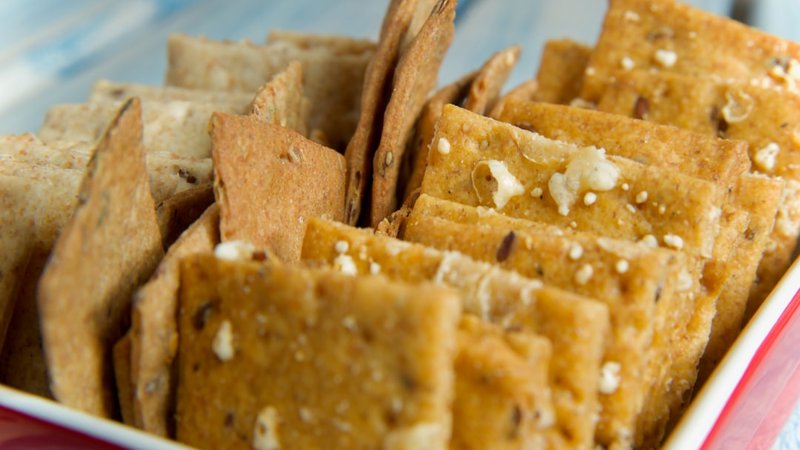
You can also bake homemade dog crackers using simple, dog-safe ingredients like oat flour, pumpkin puree, and a touch of peanut butter (xylitol-free). This gives you full control over what goes into your dog’s snack.
For even more nutritious treat ideas, the benefits of chia seeds for dogs are worth exploring as a wholesome food addition. Small dietary upgrades can make a meaningful difference in your dog’s long-term health.
When in doubt about any new food, always consult your veterinarian. They can give personalized guidance based on your dog’s specific health status, age, and dietary needs.