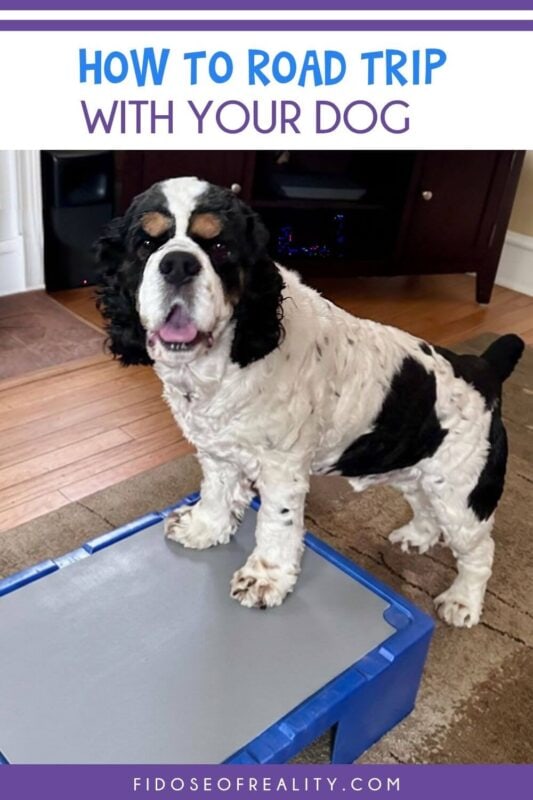
After more than 30 years of traveling with dogs, I’ve learned that a successful road trip with a dog has very little to do with what happens on the road and everything to do with what happens beforehand. Packing the right dog travel essentials matters, but the dogs who travel best understand routines, can settle in unfamiliar environments, and remain calm despite distractions. Whether you’re planning a weekend getaway or a cross-country adventure, these are the lessons I’ve relied on for decades.
Of all the questions I am asked as a pet industry expert, learning how to take a road trip with your dog without major problems is high atop that list. While every dog is different, the fundamentals of successful travel with dogs haven’t changed much over the years. Dogs thrive when they understand expectations, have opportunities to practice real-world skills, and know how to relax when routines temporarily change.
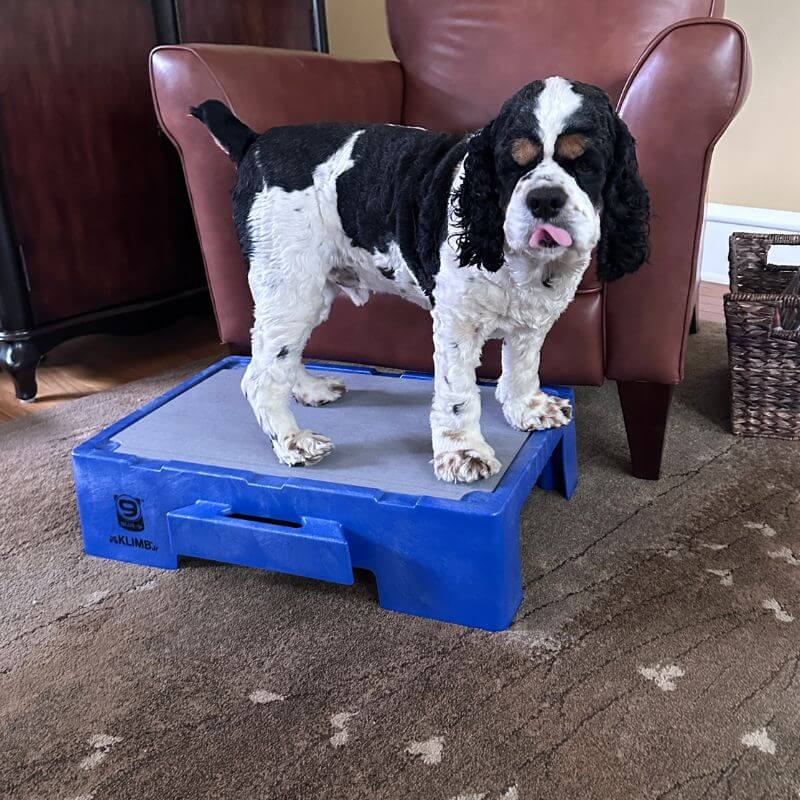
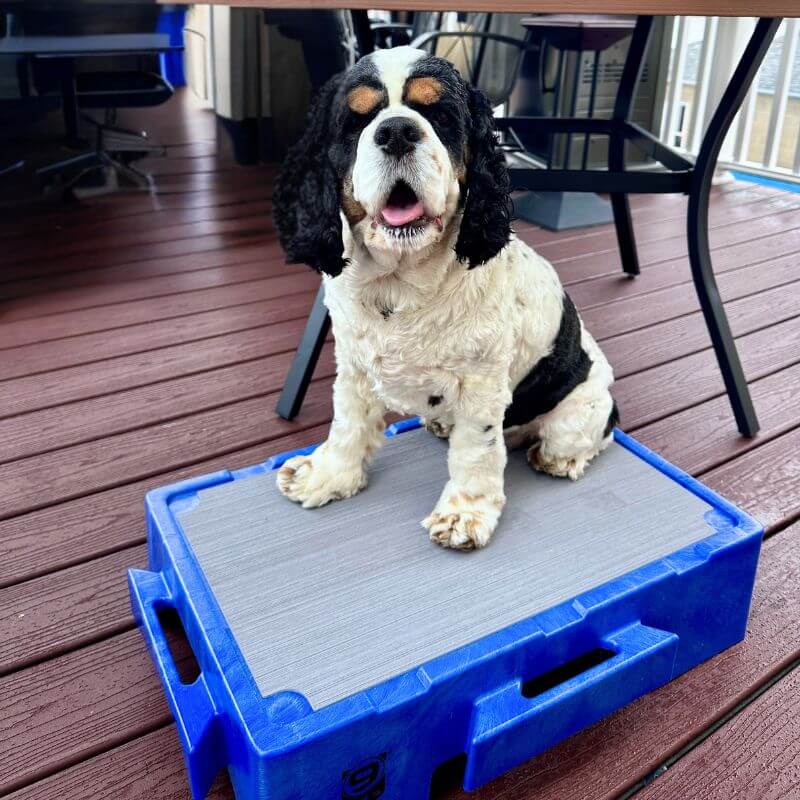
As we prepare for future adventures with my American Cocker Spaniel, Sir Alvin, one tool we’ve been incorporating into our routine is the Blue-9 KLIMB Jr. training platform. It’s helping us practice everything from settling outdoors to maintaining focus around distractions – skills that make a big difference whether you’re staying at a hotel, visiting family, or enjoying a dog-friendly patio.
Before you load the car and hit the road, here are some of the most valuable dog travel tips I’ve learned after more than three decades on the road with dogs.
Some of the links in this article are affiliate links. As an Amazon Associate, I earn from qualifying purchases. I am also an Etsy and Chewy affiliate.
The best road trip preparation has very little to do with packing.
It has everything to do with preparing your dog for the situations they’ll encounter en route and once you arriv
Think about what a trip actually involves. The car ride itself. Rest stops with new smells and other dogs and gas station chaos. Hotel hallways. Family gatherings. Outdoor restaurant patios. Summer travels with your dog. Campgrounds, elevators, children, and a parade of distractions your dog has never seen before. None of that is passive. Your dog is moving, observing, and engaging the entire time.
The biggest travel mistake I see people make is obsessing over the destination while completely ignoring the skills their dog needs to get there and navigate it successfully.
My spouse and I have traveled cross-country with Cocker Spaniels for over 30 years. The three of them rode shotgun through every kind of road trip imaginable. Here’s what that actually taught me.
Road Trip Hack #1: Travel Day Should Feel Boring
Dogs read us better than we read ourselves.
If departure day is chaotic, rushed, and electric with excitement, a lot of dogs will mirror exactly that energy and carry it straight into the car, the hotel, and every rest stop in between.
I keep our pre-trip routine as normal as possible. Same morning walk. Same breakfast. Same everything, right up until we load the car. The more unremarkable I make it, the calmer Sir Alvin is when we actually pull out of the driveway. He knows the car is a happy place.
If your dog doesn’t like road trips or car travel, stay tuned because I have help for you, too!
The supplies matter less than you think, and familiarity matters more than almost anything you can buy.
Food, water, medications, leashes, waste bags, travel bowls – absolute yesses, obviously. Your canine road trip packing list is essential. But how settled your dog feels when everything around them has changed can make or break your trip.
For example, if your dog knows a specific cue for settling or relaxing at home, continue using it while traveling. If they have a designated place where they typically rest, look for ways to recreate that experience away from home. The goal isn’t to duplicate your entire house on vacation. The goal is to provide enough familiarity that your dog can confidently navigate a new environment.
In our article about what to take on a road trip for your dog, we explain in detail exactly what we take, why, and some extra road trip fun facts.
Road Trip Hack #2: The Car Travel Tips Nobody Talks About
- Gas stations are training opportunities. Every stop is a chance to practice a sit, a place, or a calm exit from the car. Dogs who practice this consistently become genuinely easy travel companions.
- Rest stop order matters. Potty first, water second, exploring third. Dogs who learn this sequence stop pulling the second the car door opens.
- Crack the routine before you crack the window. The first 20 minutes after a long drive stretch are prime overstimulation territory. Give your dog a minute to decompress before the leash goes on.
- Bring something that smells like home. Not a new bed bought for the trip – the actual blanket or crate pad they sleep on every night. For us, that’s Sir Alvin’s KLIMB Jr. It goes everywhere we go. The moment it comes out, he knows exactly what it means and exactly what to do. Familiar object, familiar cue, instantly settles in a brand new place.
- Your behavior sets the tone. If you’re tense about how they’ll do, they’ll feel it before you’ve said a word.
GOOD NEWS ALERT: We use the KLIMB Jr. on every trip — and right now it’s on sale from June 11 through July 12, 2026. Details at the end of this post, along with a free download I made just for KLIMB Jr. owners.
If I had to pick one skill that makes traveling with a dog easier, it’s place training. Full stop. I learned this technique over the years, and it has served us well.
A dog who knows “place” has a job to do in every situation the road throws at them such as:
- A hotel room with a noisy hallway.
- Outdoor patio with servers circling.
- A family gathering where everyone wants to rush your dog at once.
Instead of your dog deciding how to handle those moments, you already taught them what to do.
Road Trip Hack #3: Train the Drive AND the Destination
Both matter. The drive and what comes after it.
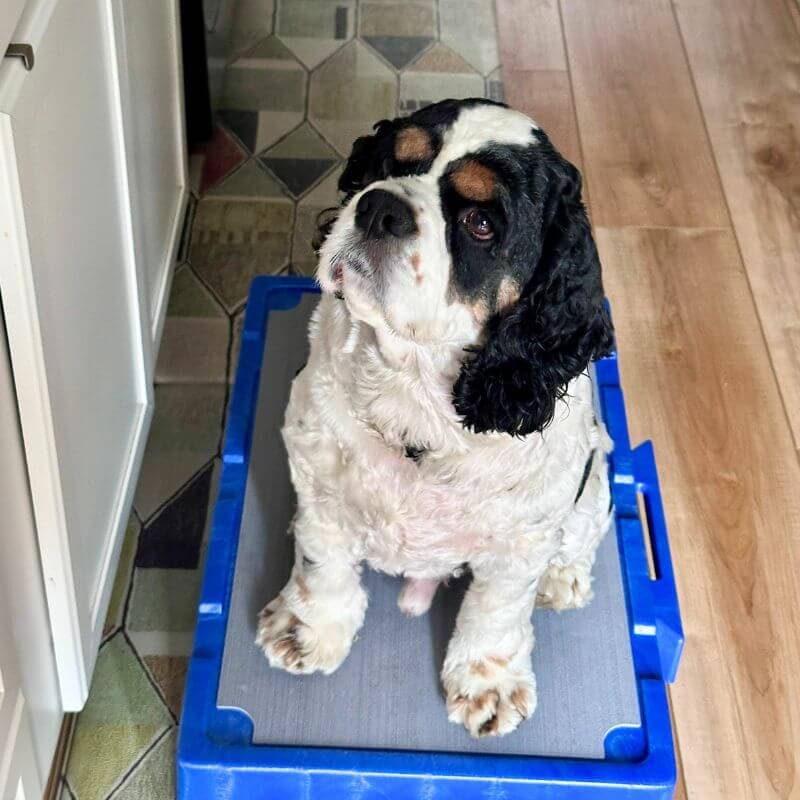
That’s why Sir Alvin has a routine in the car and a routine once we arrive. In the car, he has his spot, his cue, and the expectation that calm is the default – whether we’re 10 minutes from home or 10 hours in. Dogs should associate the car with a happy place.
If your dog hates car rides, you may be able to train them with our tried-and-true method to begin enjoying it.
On potty breaks, I don’t expect my dog to be a little soldier, but I do want him to be safe and near me at all times on leash. Sometimes I use the KLIMB Jr. for his food and water bowls during pit stops or lunch breaks while traveling.
We use the Blue-9 KLIMB Jr. to build that skill at home before we ever need it on the road. What I like about it for travel prep: it’s portable, so we practice in different spots around the house and outside. That teaches Sir Alvin that “place” isn’t tied to one room – it’s a cue. Wherever the KLIMB Jr. goes, the expectation goes with it.
Build the skill at home in as many locations as possible. By the time you’re at a dog-friendly restaurant in a city you’ve never been to, it’s already familiar to your dog.
You don’t need a hotel reservation to start preparing your dog for the road. You need your backyard, your deck, your front porch, a living room – and about 10 minutes.
Think about what you actually want from your dog on this trip. Settle quietly at an outdoor restaurant? Relax while strangers walk by? Stay calm at a family gathering where four people are trying to hand-feed them simultaneously? Training starts long before the actual road trip.
Road Trip Hack #4: Practice Vacation Behaviors Before Vacation
Dogs don’t magically behave on vacation. The skills you’re hoping for on day three of your trip need to exist before you load the car.
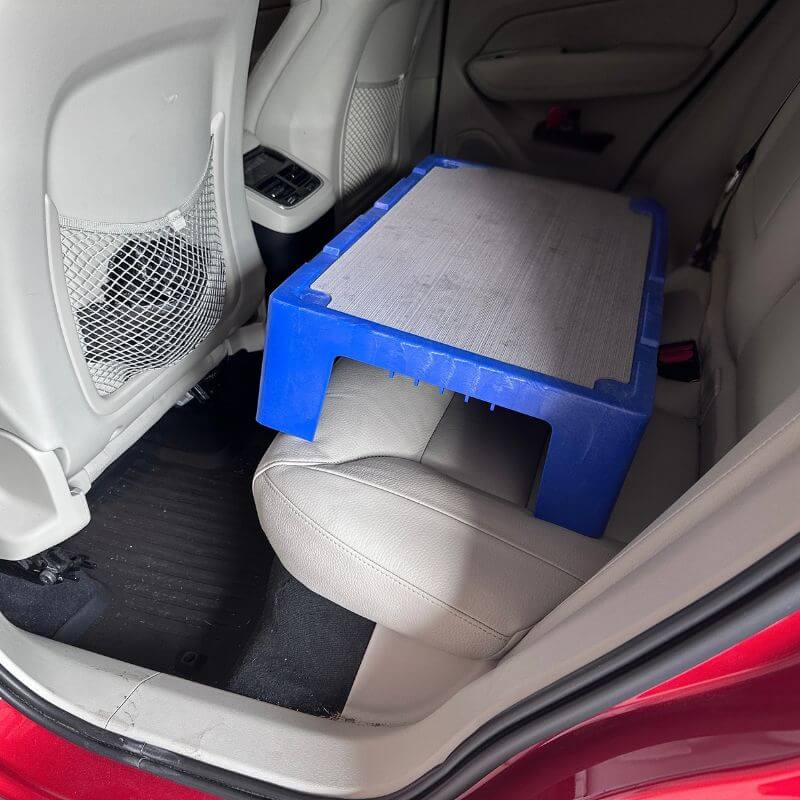
I don’t wait until we’re at a busy restaurant patio to settle around distractions. I practice it at home, in real life, with real distractions happening around us. That’s exactly why Sir Alvin and I work on the Blue-9 KLIMB Jr. out on our deck and in different locations. It’s really lightweight and portable, so I always keep one in our car.
Mind you, our deck isn’t a hotel courtyard. But it has foot traffic, squirrels nearby, neighborhood sounds, and whatever the backyard decides to offer that day. I’ll sit outside with my laptop and work while Sir Alvin practices settling as life happens around him. The job isn’t performing. The job is being calm.
Because the KLIMB Jr. comes with us everywhere, “place” means the same thing on our deck as it does at a dog-friendly patio two states away. That consistency is the whole game.
By the time you arrive somewhere new, the behavior isn’t brand new. Your dog has already done it a hundred times. Just somewhere else.
Two things that actually work: get the energy out and build the skill of calm. You need both.
A good long walk or play session before a long drive is solid advice. Same goes for rest stops. We get out, we move, we sniff, we stretch. Sir Alvin doesn’t get back in the car wound up because we don’t skip that part. Every stop is a reset.
But here’s what 30 years taught me: a tired dog and a calm dog aren’t the same thing. Physical exercise helps. It doesn’t replace structure.
Road Trip Hack #5: Reward Calm More Than Excitement
Most people accidentally reward excitement without realizing it.
Dog spins when the leash comes out. We laugh. Dog barks when the suitcase appears. We talk back to them. Dog races around before departure. We match the energy. We’re human – it’s hard not to reward for the cool stuff.
But we’re also reinforcing exactly what we’ll struggle with for the next six hours in the car.
Calm is a skill. It has to be practiced and rewarded the same way you’d practice anything else.
That’s what we use the Blue-9 KLIMB Jr. for: not drills, not tricks, just practicing the act of settling while life happens around him. On the deck while the neighbors mow. Inside while I pack. At a rest stop while other dogs and people cycle through. The repetition is the point.
Sometimes, Sir Alvin sees the KLIMB Jr. and sits next to it, which is fine. It’s a visual cue that it’s chill and stretch-the-legs time.
After 30+ years of road tripping with Cocker Spaniels, I have strong opinions about dog travel essentials. Most gear stays home.
The KLIMB Jr. comes with us. Always.
Not because it’s another thing to pack, but because it does the one thing most travel gear doesn’t: it gives Sir Alvin a job and a home base wherever we are. Hotel room, Airbnb, campsite, restaurant patio, family gathering where everyone wants to rush him at once – the KLIMB Jr. goes down and he knows exactly what it means.
That’s not gear. That’s communication. And it gives me peace of mind, too.
Road Trip Hack #6: Give Your Dog a Portable Home Base
Dogs handle unfamiliar environments better when one thing stays consistent. For some dogs that’s a blanket. For some it’s a crate. For Sir Alvin, it’s the KLIMB Jr.
Every new place we walk into has different smells, sounds, sights, and people making different demands on his attention. The KLIMB Jr. is the one thing that doesn’t change. Same platform. Same cue. Same expectation. That consistency is what makes it work – not the product itself, but what it represents after months of practice at home.
We also use it year-round: on the deck, around the house, on rainy days when we need five minutes of mental work without going anywhere. By the time travel season hits, it’s not new. It’s just Tuesday.
The best dog-friendly travel gear isn’t the most expensive or the most specialized. It’s the stuff that actually makes the trip easier for your dog. The KLIMB Jr. does that.
How often should dogs stop during a road trip?
Every 2 to 3 hours is a good baseline, but read your dog. Some need more frequent breaks, especially puppies, seniors, or dogs prone to anxiety. We stop, we move, we sniff, we reset – then we get back in the car. We also take breaks for meals and to stretch our legs and paws.
How do I keep my dog calm while traveling?
Structure and predictability do more than most people expect. Consistent routines, familiar cues, and a dog who has actually practiced calm behavior before the trip will outperform any calming supplement on the market. Read our article on the topic if your dog gets nervous in the car.
What should I pack for a road trip with a dog?
The basics: food, water, medications, leash, waste bags, vet records, and something familiar from home. The thing most people forget to pack is a trained behavior. That one travels free. Download our free packing list here.
Can dogs stay in hotels?
Yes, more hotels are pet-friendly than ever. Always call ahead, confirm the pet policy, and never leave a dog alone in a room who hasn’t practiced being alone in unfamiliar spaces first.
Is place training useful while traveling?
It’s probably the single most useful skill you can build before any trip. A dog who knows “place” has a job in every situation travel throws at them.
Can the KLIMB Jr. be used indoors and outdoors?
Yes, and I’d encourage both. The more locations you practice in, the more your dog understands that “place” is a cue and not only used at home. Never leave your dog unattended outside.
Is the KLIMB Jr. useful on rainy days?
Absolutely. It’s one of our go-to tools when the weather shuts down outdoor activity. Five minutes of place work or focus training gives Sir Alvin something to do with his brain without either of us going outside.
Can large dogs use the KLIMB Jr.?
The KLIMB Jr. is sized for smaller dogs. Blue-9 makes the full-size KLIMB for larger breeds – same concept, scaled up.
What are some uses for a KLIMB Jr. besides training?
Grooming station. Calm spot during mealtimes. Settle practice during company. Outdoor relaxation on the deck. Distraction training. Travel prep. Rainy day enrichment. We put together 100 uses – grab the free download below.
1. Travel day should feel boring. Same morning routine. Same breakfast. Same walk. The less you signal that something big is happening, the calmer your dog will be when you pull out of the driveway.
2. Pack familiarity, not just supplies. Gear is replaceable. The blanket your dog sleeps on every night isn’t. Bring the actual thing, not a new version of it.
3. Train the drive and the destination. The car ride and what comes after both require preparation. Don’t neglect either one.
4. Practice vacation behaviors before vacation. Your deck is a patio. Your living room is a hotel room. Your backyard is a campground. Start there.
5. Reward calm more than excitement. What you reinforce before the trip shows up during it. Practice accordingly.
6. Keep one travel bag packed year-round. You’ll use it more if it’s ready. You’ll also never forget the thing you always forget.
7. Don’t introduce new gear right before a trip. New collar, new harness, new crate, new bed – introduce it weeks ahead. A trip is not the time for your dog to meet something unfamiliar.
8. Give your dog a job. A dog with a job is a dog who isn’t inventing one. “Place,” “heel,” “watch me” – any trained behavior gives them something to do besides react.
9. Train duration before distance. Before you attempt a 10-hour drive, make sure your dog can settle calmly for extended periods at home. Duration is a skill. Build it first.
10. Create a portable home base. One familiar thing that goes everywhere you go. For us, that’s the KLIMB Jr. Same platform, same cue, same expectation – whether we’re in our backyard or a hotel room in a city we’ve never been to.
If you’ve made it this far, you’re already a more prepared dog traveler than most people who will ever read a packing list.
Right now, Blue-9 is running a sale on the KLIMB Jr. – if you’ve been on the fence, this is the time to shop.
– Buy 1 KLIMB Jr: 25% OFF
– Regular: $79.95 | Promo: $59.95
– Buy 2 KLIMB Jr: 40% OFF + Free Digital Course (“A Place For Your Dog – Training with the KLIMB & KLIMB Jr”)
– Regular Value: $209.90 ($159.90 for two KLIMBs + $50 digital course)
– Promo Price: $95.95
Freebie Alert For Pet Parents
And because I believe in giving you more than just a product recommendation, I put together a free download: 100 Ways to Use the KLIMB Jr. – from travel prep to rainy day enrichment to things you probably haven’t thought of yet.
Grab the free download here – no fluff, just 100 actual uses straight from someone who has been using this platform with her own dog.
Sir Alvin approves. So does 30+ years of road trip experience with dogs. Let me know if you travel with your dog and any sage tips in the comments below!