

Traveling abroad with a pet is one of the most rewarding experiences you can share together. But when your animal gets sick or injured far from home, knowing how to find a vet in a foreign country can feel overwhelming and stressful.
The good news is that with a little preparation before you leave, finding quality veterinary care internationally is entirely manageable. The strategies below will help you stay calm, act quickly, and get your pet the help they need.
Researching Veterinary Clinics and Accreditation Standards in Your Destination
Before you travel, spend time researching veterinary clinics in your destination country. Look for clinics affiliated with recognized organizations such as the World Small Animal Veterinary Association (WSAVA), which maintains global member directories.
Accreditation standards vary significantly from country to country. A clinic in Western Europe may follow protocols nearly identical to those in North America, while standards in more remote regions can differ considerably.
If you are planning an extended stay, resources like pet-friendly travel in Europe can point you toward destinations with well-established veterinary infrastructures. Doing this groundwork early saves precious time in an emergency.
Navigating Language Barriers and Finding English-Speaking Veterinarians
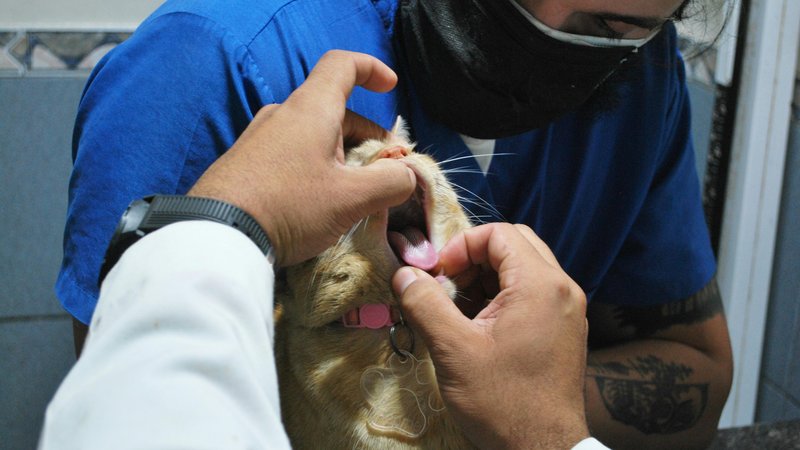
Language is one of the most significant challenges pet owners face when seeking veterinary care abroad. Communicating symptoms, medications, and medical history accurately is critical to getting the right treatment.
Research shows that language barriers in veterinary care can seriously compromise the quality of treatment, with patients sometimes relying on young bilingual children to translate complex medical terminology. This highlights just how essential clear communication is in a clinical setting.
Search specifically for English-speaking veterinarians using expat forums, Facebook groups for your destination city, or platforms like InterNations. Many urban clinics in tourist-heavy destinations will have at least one English-speaking staff member available.
Understanding Local Pet Import Requirements and Health Documentation
Even if your pet is already in the country, understanding local import and residency rules for animals matters. Some countries require ongoing documentation proving your pet is up to date on vaccinations, microchipping, and parasite treatments.
If you are moving between countries during your trip, a USDA-accredited veterinarian may need to complete official health certificates. You can learn more about finding a USDA-accredited vet for export documentation through official government resources.
Keeping digital copies of all documentation on your phone or in cloud storage means you are never caught without proof of compliance. A dedicated folder with vaccination records, health certificates, and microchip numbers is a simple but powerful safeguard.
Preparing Your Pet’s Medical Records and Prescription Information for International Care
Your pet’s full medical history is an invaluable tool when working with an unfamiliar veterinarian abroad. Ask your regular vet to prepare a comprehensive summary before you depart, including current medications, dosages, known allergies, and any chronic conditions.
Prescription medications can have different brand names or may not be available in every country. Having the generic drug names and exact dosages written down allows a foreign vet to source the closest equivalent without delay.
It is also worth noting that veterinary care pricing varies widely across different countries, so understanding what to expect financially can help you make informed decisions quickly under pressure.

Exploring Telemedicine and Emergency Veterinary Services Abroad
Pet telehealth has become a genuinely useful resource for travelers dealing with non-emergency concerns abroad. Platforms like Dutch, Airvet, and Vetster connect pet owners with licensed veterinarians via video or chat, often within minutes.
These services are particularly helpful for triaging a situation before you locate a local clinic. A remote vet can help you determine whether an issue is urgent or manageable, saving you unnecessary stress and expense.
For true emergencies, search Google Maps for “veterinary emergency” combined with your city name. Most major cities worldwide have at least one 24-hour emergency animal hospital, and Google reviews can quickly reveal which ones are trusted by local pet owners.
Stories like that of a man who stayed in Egypt for months rather than leave his puppy behind are a powerful reminder of the lengths devoted pet owners will go to protect their animals. Being prepared is the best way to honor that same commitment wherever your travels take you.