







When you purchase through links on our site, we may earn a commission at no extra cost to you. Learn more.
Leaving your dog home alone shouldn’t feel like a gamble, but for a lot of people, it does. You grab your keys and immediately start wondering what you’ll find when you return.
Barking complaints from neighbors. A shredded pillow. Or a keyed-up dog that spent the entire time pacing and stressed out.
Here’s the good news. Most dogs can learn to be alone without panic. And some breeds are naturally better at it than others. Below, you’ll find 20 dog breeds that tend to handle alone time better, along with what makes them different and how to set any dog up for success.
Start Here: Are There Dogs That Don’t Get Separation Anxiety?
There isn’t a dog breed that is completely immune to separation anxiety. However, it’s also not something that’s inherent to most dogs.
That distinction matters because it changes how you approach the problem. Separation anxiety is often behavioral, not purely breed-based. It’s less about finding the “perfect” dog and more about understanding what makes some dogs more naturally comfortable being alone — and how that behavior is reinforced over time.
That said, some breeds are more likely to struggle than others. “Velcro dogs” or dogs that are highly active, sensitive, or bred for constant companionship tend to have a harder time when left alone, especially without the right structure.
On the other hand, dogs that are more independent, lower energy, or less reliant on constant mental stimulation are often better equipped to handle time by themselves.
Quick Answer: Which Dog Breeds Handle Being Alone Best?
Some dogs tend to be easier to leave alone than others. They’re less likely to panic, pace, or look for something to do the second you walk out the door.
Dogs that handle alone time better typically include:
- Low-energy breeds that are happy to rest for long stretches, like the Basset Hound or Saint Bernard
- More independent personalities that don’t rely on constant attention, like the Afghan Hound or Shar Pei
- Dogs with lower mental stimulation needs, meaning they don’t create their own “projects” when bored
But breed is only part of the picture. A well-socialized dog that’s used to short, low-stress departures will almost always handle alone time better than a dog that’s never been left on their own.
We’ll break down exactly what those traits look like next, then get into the specific breeds that tend to handle them best.
Dogs That Tend To Handle Alone Time Better
Not every dog handles being alone the same way. Some settle in within minutes, while others struggle to relax the moment you leave.
The breeds below tend to have traits that make alone time easier, whether that’s independence, lower energy, or higher adaptability. That doesn’t guarantee a anxiety-free dog, but it does stack the odds in your favor.
5 Small Companion Dogs That Can Handle Alone Time
Small companion dogs are often prone to separation anxiety. They’re bred to be close to their people, which means many of them don’t do well when left alone for long stretches.
These breeds tend to be more independent, adaptable, or low-demand than typical lap dogs, making them better suited to handling time on their own.
1. Lhasa Apso
Lhasa Apsos are small, sturdy dogs with silky, flowing coats and a long history as indoor sentinels in Tibetan monasteries. Bred to watch and alert rather than constantly interact, they’re naturally observant, confident, and a bit aloof compared to many other small breeds.
Lhasa Apsos are highly adaptable and tend to take changes in stride. With moderate energy and mental stimulation needs, they don’t require constant activity to stay content. Once they understand the routine, they’re more likely to wait calmly and keep watch rather than become anxious when you leave.
2. Japanese Chin
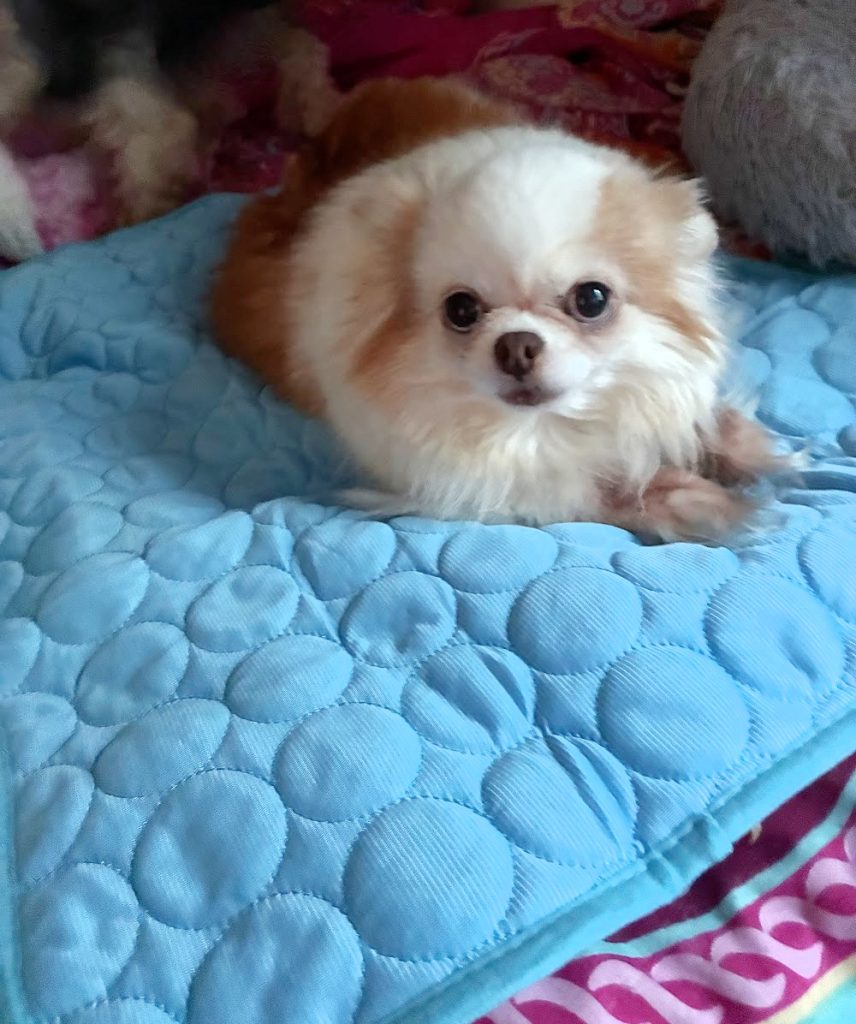
The Japanese Chin is a small dog with a silky coat and a graceful, almost feline way of moving. Bred as a companion for Japanese nobility, they’re known for being quiet, charming, and relatively low-energy, often content to lounge and observe rather than constantly seek attention.
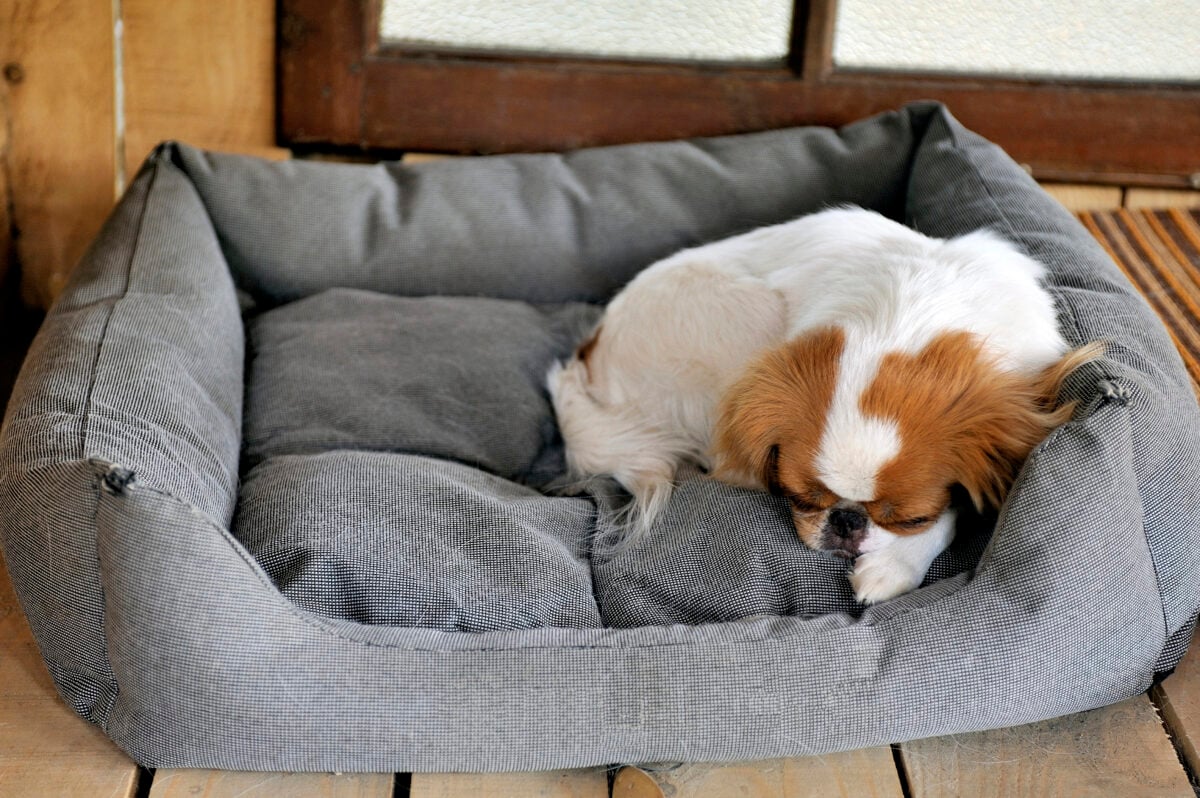
Unlike many toy breeds, they’re not overly demanding. Their laid-back nature and ability to self-settle make them more adaptable to alone time, especially in calm, predictable environments.
3. Tibetan Spaniel
With roots as companion watchdogs in Tibetan monasteries, the Tibetan Spaniel is a small, intelligent breed with a soft, medium-length coat and an observant nature. They’re alert without being nervous or overly excitable and often prefer to quietly watch their surroundings from a comfortable perch.
Confident and highly adaptable, Tibetan Spaniels don’t require high levels of activity or mental stimulation to stay content. That lower-demand temperament makes them more capable of settling on their own and handling time alone, especially when it’s part of a consistent routine.
4. Pekingese
The Pekingese is a compact toy breed with a distinctive rolling gait and a long, flowing coat that forms a signature “lion’s mane” around the neck and shoulders. Originally bred for Chinese royalty, these dogs carry themselves with a calm, dignified presence and are known for being confident, loyal, and a bit opinionated.
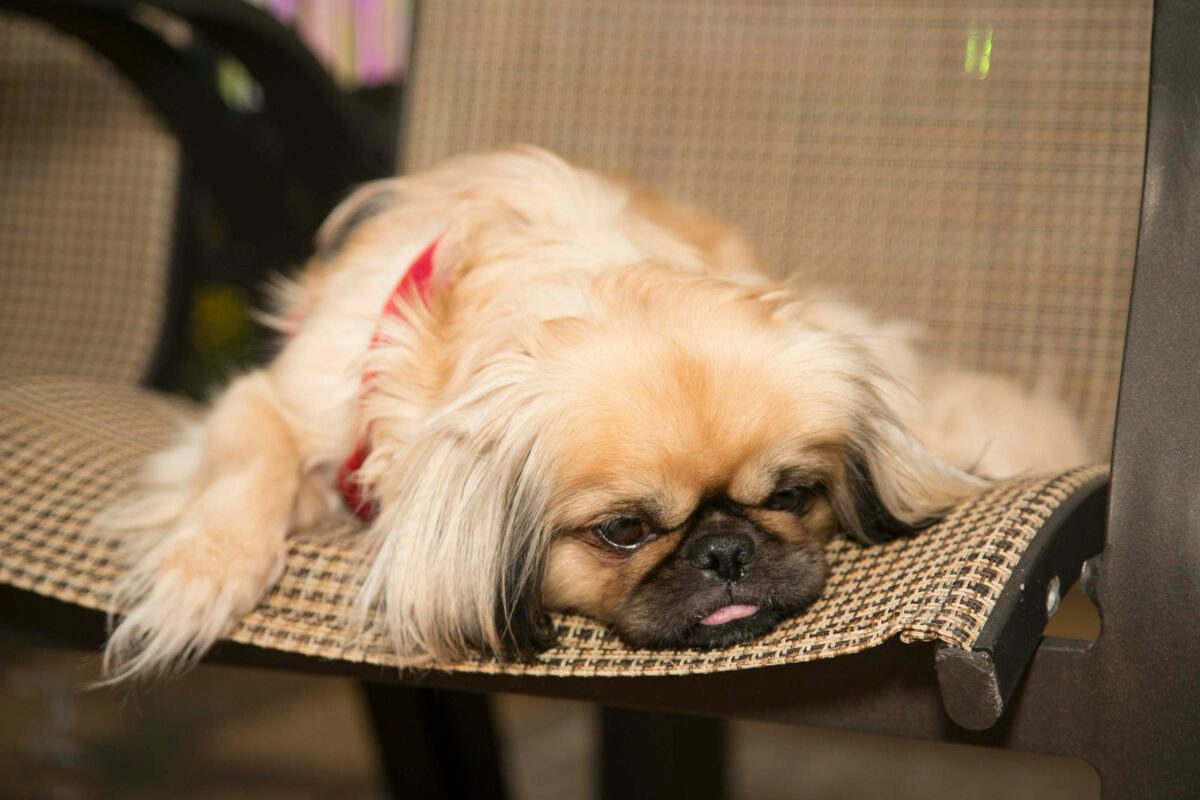
That independent, self-assured temperament makes them less reliant on constant attention. Pekingese tend to be low-energy and content to relax, and while they form strong bonds with their people, they’re often comfortable doing their own thing rather than becoming anxious when left alone.
5. Shiba Inu
The Shiba Inu is a small, fox-like breed from Japan known for its bold personality, thick double coat, and signature curled tail. They’re alert, confident, and often described as cat-like in their behavior, with a strong sense of independence and a tendency to do things on their own terms.
That said, Shibas have moderate-to-high energy and can become bored easily. With enough exercise, structure, and mental stimulation, they can handle time on their own, but many owners find that using a crate or designated space helps prevent boredom-driven destruction. It’s also important not to leave a Shiba unattended outside — they’re skilled escape artists and surprisingly determined when something catches their interest.
5 Dog Breeds That Don’t Need Constant Attention
These breeds tend to be more self-directed and less reliant on constant interaction. While they still form strong bonds with their owners, they’re generally more comfortable doing their own thing and don’t need to be involved in every moment of your day.
1. Japanese Akitainu
The Japanese Akitainu is a powerful, dignified breed known for its quiet confidence and strong sense of independence. Originally bred for hunting and guarding in Japan, they tend to be reserved, observant, and not overly expressive, especially with strangers.
That independent, confident nature means they don’t rely on constant attention the way many breeds do. With moderate energy and mental stimulation needs, they’re often content to settle into their environment and wait calmly, as long as they understand the routine.
2. Chow Chow
The Chow Chow is a sturdy, medium-sized breed known for its dense double coat, lion-like ruff, and distinctive blue-black tongue. Originally developed in China for guarding and working roles, they’re dignified, reserved, and often described as cat-like in their independence.
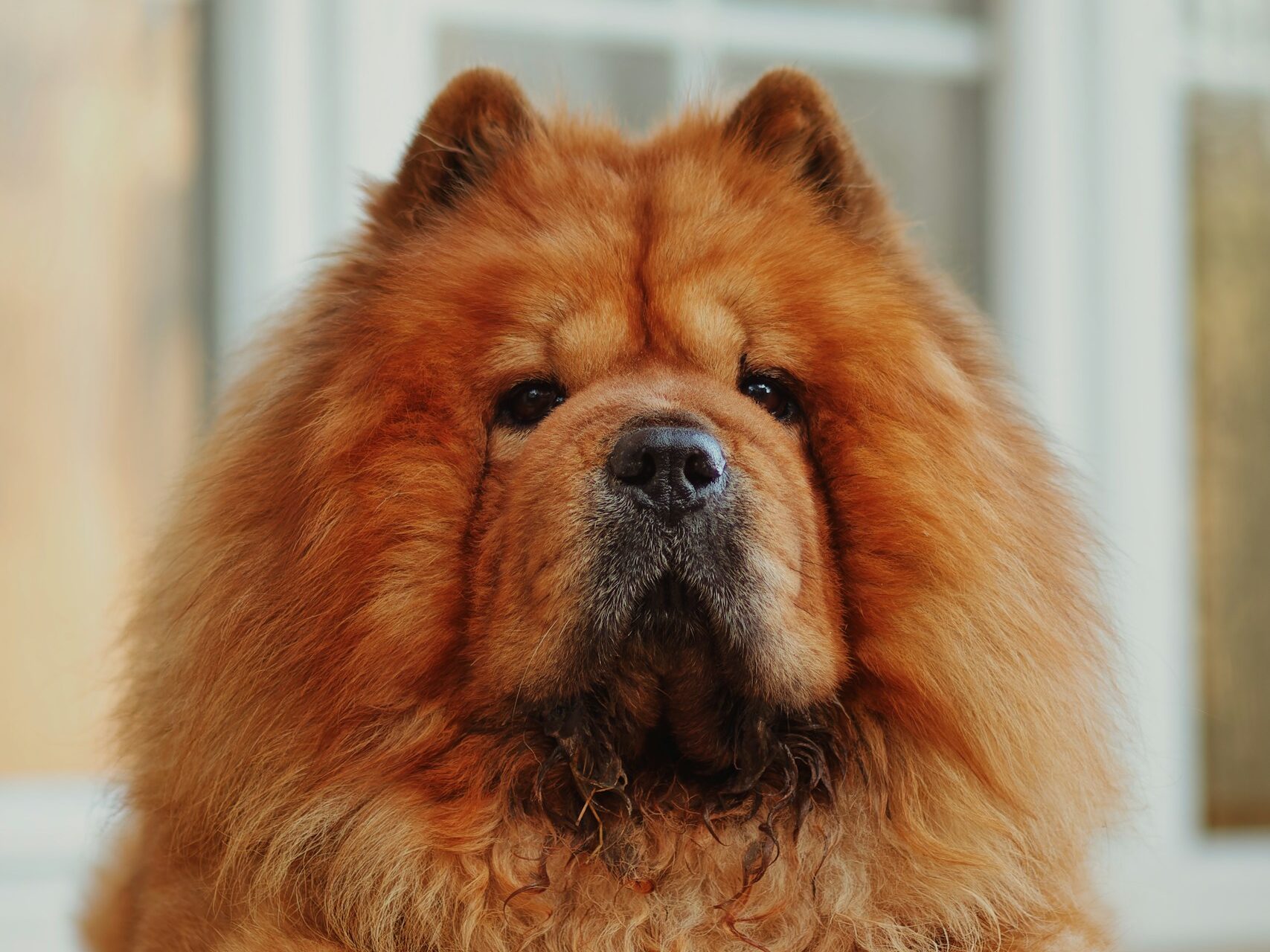
Chow Chows tend to be low to moderate in energy and are comfortable keeping to themselves, making them more capable of handling time alone. While they form strong bonds with their family, they’re typically not clingy and are more likely to rest quietly than become anxious when left in a familiar routine.
3. Chinese Shar Pei
Recognizable by their loose, wrinkled skin and distinctive expression, the Chinese Shar Pei is a calm, self-possessed breed with a long history as a guard dog. They tend to be independent thinkers and are often described as reserved or even aloof.
That self-contained personality makes them less likely to seek constant interaction. While they still need structure and engagement, they’re generally comfortable being on their own and are less prone to becoming anxious when left alone.
4. Airedale Terrier
The Airedale Terrier is the largest of the terrier breeds, known for its versatility, intelligence, and bold personality. Originally bred for hunting and working roles, they’re energetic and capable but also adaptable across a range of environments.
While they’re more active than some other breeds on this list, they don’t depend on constant attention. With the right balance of exercise and mental stimulation, they’re able to settle on their own rather than becoming overly restless when left alone.
5. Bergamasco Sheepdog
The Bergamasco Sheepdog is a distinctive herding breed known for its unique, matted coat and thoughtful, observant personality. Bred to work independently while managing flocks, they’re intelligent and capable of making decisions on their own.
That background gives them a level of independence that translates well to being alone. While they form strong bonds with their family, they don’t require constant interaction and are often comfortable settling on their own once they understand the routine.
6 Hound Breeds That Are Naturally Independent
Hounds were bred to work with a high degree of independence, often tracking or pursuing game over long distances with minimal direction. That self-sufficiency can translate into dogs that are more comfortable doing their own thing, especially when compared to breeds that rely heavily on constant interaction.
1. Afghan Hound
The Afghan Hound is a striking sighthound known for its long, flowing coat and elegant build. Originally bred to hunt independently in rugged terrain, they’re confident, somewhat aloof, and not overly concerned with pleasing their owners.
That independence makes them less reliant on constant attention. While they still need exercise and structure, Afghan Hounds are often comfortable settling down on their own and are less likely to become anxious when left alone.
2. Basset Hound
With their long ears, droopy eyes, and low-slung build, Basset Hounds are easily recognized and known for their easygoing personality. Originally bred as scent hounds, they have a steady, methodical approach to work and tend to be low-energy in the home.
That laid-back nature works in their favor when it comes to being alone. Basset Hounds are often content to lounge, nap, and take things slowly, making them one of the more low-key breeds on this list.
3. Greyhound
Built for speed, the Greyhound is a sleek sighthound with a surprisingly calm and gentle temperament. Despite their racing background, they’re often referred to as “45-mph couch potatoes” because they enjoy resting so much.
That low energy indoors makes them one of the easiest breeds to leave alone. As long as they get regular exercise, Greyhounds are typically content to sleep for long stretches and are less likely to become restless or anxious.
4. Whippet
The Whippet is a smaller sighthound with a smooth coat and a build similar to the Greyhound, but in a more compact size. They’re athletic and enjoy short bursts of activity but are just as happy to curl up and rest for most of the day.
Like Greyhounds, Whippets tend to be calm and low-energy indoors. Once their exercise needs are met, they’re excellent at settling down, making them a strong fit for owners who need a dog that can handle time alone.
5. Otterhound
The Otterhound is a large, shaggy scent hound originally bred for tracking otters in water. They’re known for their friendly, easygoing personality and strong sense of smell, along with a more playful and energetic nature than some other hounds.
While they are adaptable and capable of being independent, they do have moderate energy and stimulation needs. With enough activity and a consistent routine, they can handle time alone, but they’re not as naturally low-demand as some of the other breeds on this list.
5 Low-Demand Giant Dog Breeds That Are Happy to Relax Alone
Many giant breeds are far more laid-back than people expect. While their size might suggest high maintenance, many of these dogs are naturally low-energy and content to rest for long stretches.
That calm, slow-paced nature can make them surprisingly well-suited to handling alone time, as long as their basic needs are met and they have a consistent routine.
1. Great Pyrenees
The Great Pyrenees is a large livestock guardian breed known for its thick coat and calm, watchful nature. Bred to work independently while protecting flocks, they’re patient, composed, and not easily rattled.
That independence translates well to being alone. While they bond closely with their family, they’re used to making decisions on their own and are often comfortable settling into a quiet, watchful role when left by themselves.
2. Irish Wolfhound
The Irish Wolfhound is one of the tallest dog breeds in the world, originally bred for hunting large game. Despite their size, they’re known for being gentle, calm, and surprisingly low-energy indoors.
That “gentle giant” nature makes them easy to live with. As long as they get regular exercise, they’re typically happy to stretch out and relax, rather than becoming restless or anxious when left on their own.
3. Neapolitan Mastiff
With its loose, wrinkled skin and imposing presence, the Neapolitan Mastiff is a powerful guardian breed with a calm, confident demeanor. They’re naturally protective but tend to be slow-moving and deliberate in their behavior.
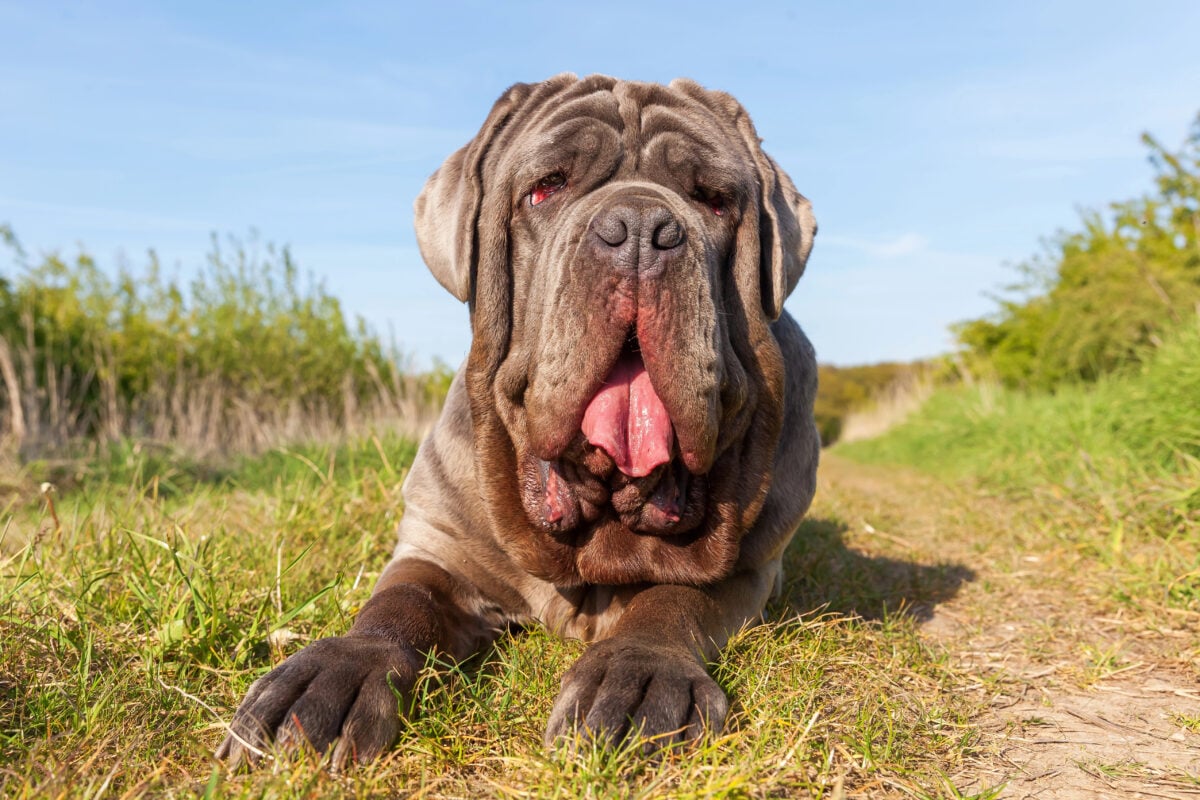
That steady, low-energy temperament means they’re not constantly seeking stimulation. Once settled into a routine, they’re often content to rest and observe, making them relatively easygoing when left alone.
4. Anatolian Shepherd Dog
The Anatolian Shepherd is another livestock guardian breed with a strong independent streak. Built for endurance and decision-making, they were bred to protect without constant human direction.
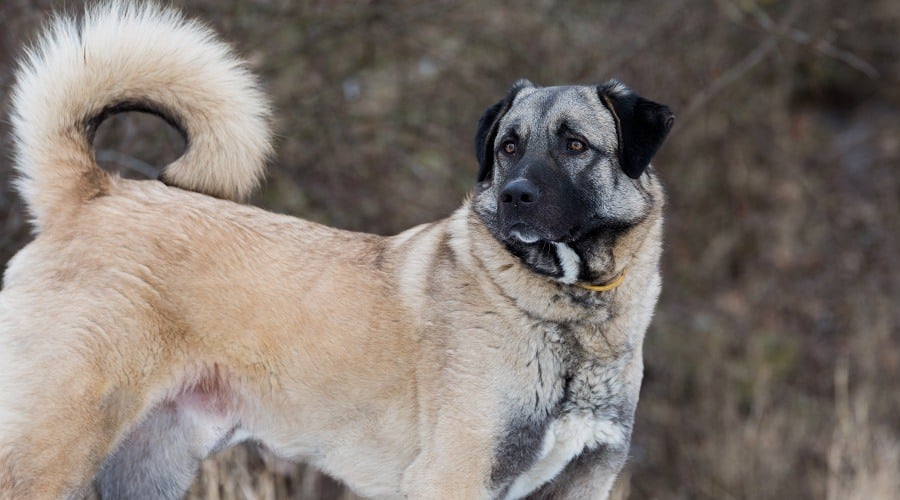
That self-sufficiency means they don’t depend on constant interaction. While they still need structure and proper training, they’re generally capable of handling time alone without becoming unsettled.
5. Kuvasz
The Kuvasz is a large, white-coated guardian breed known for its loyalty, intelligence, and protective instincts. Like other livestock guardians, they were bred to think and act independently while watching over their territory.
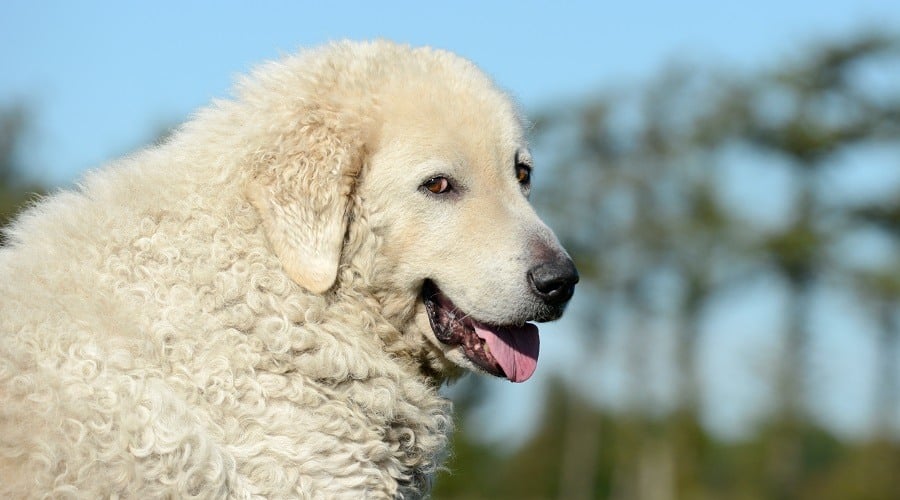
While they’re affectionate with their family, they don’t require constant attention to feel secure. With moderate energy and a consistent routine, they’re often comfortable settling on their own, though they still benefit from regular interaction and structure.
What’s Normal When You Leave Your Dog Alone (And What’s Not)
Not every reaction to you leaving means something is wrong. Watching you go, walking around for a minute, or even briefly whining before settling down are all normal.
What you’re looking for is whether your dog can calm down and stay calm once you’re gone.
What Calm, Low-Stress Behavior Looks Like
Dogs that are comfortable being alone typically:
- Settle down within a few minutes of you leaving
- Spend most of their time resting or sleeping
- Move around occasionally without becoming worked up
- Greet you without losing control when you return
They may notice you’re gone, but they don’t stay stressed about it.
Signs Your Dog May Be Struggling
Dogs with separation anxiety show a very different pattern. Instead of settling, they stay in a state of stress.
Common signs include:
- Barking, whining, or howling that doesn’t stop
- Destructive behavior, especially near doors or windows
- Pacing or inability to relax
- Accidents in the house, despite being trained
- Intense, over-the-top reactions when you return
- Anxiety starting before you even leave (keys, shoes, etc.)
This isn’t stubbornness or bad behavior. It’s a stress response.
If this sounds familiar, it’s worth digging deeper and addressing it directly. Check out our article on separation anxiety in dogs.
5 Reasons Why Some Dogs Handle Being Alone Better Than Others
Some dogs barely react when you leave. Others start pacing the second you pick up your keys. That difference usually comes down to a handful of key traits.
1. Independent Temperament
Some dogs are naturally more self-directed. They don’t feel the need to be involved in everything you’re doing, and they’re less likely to rely on constant attention and are more comfortable settling down on their own when you leave.
You’ll often see this trait in working dogs, like livestock guardians or hounds bred for independent hunting. At the other end of the spectrum, dogs bred specifically for companionship are more likely to struggle with prolonged periods of solitude.
Note: Some breeds are described as “independent,” but that doesn’t always mean they’re easy to leave alone. In many cases, it just means they’re self-directed and strong-willed with less desire to please humans. They may still struggle when left alone, especially if they have higher stimulation needs.
2. Lower Energy & Drive
High-energy dogs need an outlet. If they don’t get it, they’ll find one.
A dog with excess energy is far more likely to bark, pace, or get destructive when left alone — not because they’re anxious, but because they’re under-stimulated.
Lower-energy dogs are much more likely to rest, nap, or stay relaxed while you’re gone.
3. Lower Mental Stimulation Needs
Breeds developed for complex tasks such as herding, guarding, or problem-solving often require regular mental engagement. Without it, they’ll create their own projects to stay busy — and those projects usually aren’t ones you’ll appreciate.
Dogs with lower mental stimulation needs are far less likely to spiral into boredom-driven behaviors when left alone.
4. Confidence & Adaptability
Confident dogs tend to handle change better. They’re less likely to view new situations — or temporary separation — as something to worry about. Instead of becoming unsettled when you leave, they adjust.
Dogs that are more sensitive or easily stressed may struggle more, especially if they’re not used to being alone.
5. Early Socialization
Socializing a dog is the process of safely and positively exposing them to different people, environments, sounds, and experiences. Over time, this helps the dog build confidence and reduces fear and aggression.
Dogs that are used to new situations are far less likely to panic when something changes, including when you leave the house.
Age plays a huge role. Puppies that are gradually introduced to being alone tend to build confidence early, while adult dogs may need more time to adjust if they’ve never learned that separation is normal.
If you’re raising a puppy, this is one of the most important things you can do early on. Learn more about dog socialization and how to socialize a puppy.
The #1 Reason Dogs Develop Separation Anxiety
Separation anxiety usually doesn’t come from a dog being “too attached.” It comes from a dog not understanding what’s happening when you leave.
Dogs that struggle with being alone often haven’t learned one simple pattern: People leave, and they always come back. Without that understanding, every departure can feel uncertain. And for some dogs, that uncertainty turns into stress.
Why This Happens More Than You Think
It’s surprisingly easy to create this pattern without realizing it.
Dogs that are rarely left alone don’t get the chance to learn that being by themselves is normal. This has become more common with people working from home or spending more time around their pets throughout the day.
When a dog goes from constant companionship to suddenly being alone, even for a short period, it can feel like a major change instead of a normal part of life.
Why Some Dogs Struggle More Than Others
Background can play a role. Some rescue or shelter dogs may have experienced inconsistent routines, multiple homes, or sudden changes in environment. That kind of unpredictability can make it harder for them to feel secure when left alone.
This doesn’t mean a shelter dog will develop separation anxiety. With structure, consistency, and gradual exposure to alone time, most dogs can learn to relax and feel safe when you’re gone.
What Dogs That Handle Alone Time Well Have Learned
Dogs that are comfortable being alone have usually learned a different pattern. Leaving isn’t a big event. It’s just something that happens.
They’ve experienced enough normal, low-stress departures to understand that nothing is wrong and that you’ll be back. That familiarity allows them to settle, rest, and stay calm rather than become anxious.
How To Raise A Dog That’s Comfortable Being Alone
Dogs don’t automatically know how to be alone. They learn it the same way they learn everything else: through repetition, consistency, and experience.
The goal isn’t to “toughen them up.” It’s to teach them that being alone is normal, temporary, and nothing to worry about. Here’s how to build that confidence.
1. Start Early & Build Up Slowly
Start with short, low-stress departures — just a few minutes at first. Then gradually increase the time as your dog gets more comfortable. This helps them build tolerance without ever reaching the point of panic.
Dogs that are suddenly left alone for long stretches without practice are much more likely to struggle.
2. Don’t Make Leaving Or Returning A Big Deal
This one makes a bigger difference than most people realize. If leaving feels like a big emotional event, your dog will treat it like one.
Instead, keep your exits and returns calm and routine. No long goodbyes, no dramatic greetings.
In fact, it often helps to ignore your dog for a few minutes after you get home. Let them settle down before you engage. This prevents that spike of overexcitement that can reinforce anxiety.
3. Give Your Dog A “Job” While You’re Gone
Dogs that do well alone usually know what they’re supposed to do.
That “job” might be:
You want your dog to have something predictable to focus on instead of worrying about where you went.
4. Normalize Alone Time (Even When You’re Home)
Dogs need practice being alone, even if you’re in the house. This is especially important if you work from home.
If your dog is constantly by your side, being alone starts to feel unusual instead of normal. Give them short periods of separation during the day:
- Time in another room
- Time outside (with safe access to water, shade, and a comfortable spot)
- Time settling on their own without interaction
This keeps “being alone” from becoming a rare or stressful event.
5. Use Simple Tools That Help
A few simple tools can make a big difference.
These don’t replace training, but they help your dog stay occupied and relaxed while you’re gone.

Frequently Asked Questions
Choosing a dog that can handle being alone isn’t just about picking the right breed. It’s also about understanding what’s normal, what’s not, and how to set your dog up for success.
Here are answers to some of the most common questions. Don’t see yours? Respond in the comments, and we’ll get back to you!
Can Any Dog Be Left Alone All Day?
Most dogs can handle being alone for a few hours at a time, but a full workday is a different story. Even breeds that are more independent still need regular opportunities to go outside, move around, and interact.
For longer days, it’s often less about the breed and more about the setup. Many owners rely on a midday dog walker, occasional daycare, or a flexible schedule to make sure their dog isn’t spending too much time completely alone on a regular basis.
What Dog Breeds Are Most Prone To Separation Anxiety?
There isn’t a single list of breeds that are guaranteed to develop separation anxiety, but dogs that are highly social and people-focused tend to be more at risk. This is especially true for breeds that were developed primarily for companionship and thrive on constant interaction.
That said, separation anxiety is rarely just about breed. A dog’s routine, early experiences, and how they’ve been taught to handle alone time all play a much bigger role in whether they struggle or settle.
Is It Better To Get A Puppy Or Adult Dog If I Work Full-Time?
Both can work, but they come with different considerations. Puppies give you the opportunity to build good habits from the start, including gradually introducing alone time and creating a consistent routine.
Adult dogs can be easier in some ways, but they may already have established behaviors. Rescue dogs, in particular, may need extra time to adjust, especially if they’ve experienced changes in environment or routine before coming into your home.
How Long Can A Dog Comfortably Be Left Alone?
How long a dog can be left alone depends on their age, temperament, and routine. Most adult dogs can handle several hours at a time once they’re used to it, but that doesn’t mean longer stretches should be the norm every day.
Even dogs that handle alone time well still benefit from breaks, movement, and interaction. Consistency matters just as much as duration, and dogs tend to do best when their daily routine is predictable.
Will Getting A Second Dog Prevent Separation Anxiety?
Adding a second dog can help in some situations, but it’s not a guaranteed solution. Separation anxiety is usually tied to the dog’s relationship with their owner, not just whether they’re physically alone.
In some cases, a second dog may provide companionship, but it can also introduce new dynamics. If the underlying issue isn’t addressed, it’s possible to end up with two dogs that struggle rather than one.
What’s The Best Way To Prevent Separation Anxiety?
Prevention comes down to teaching your dog that being alone is a normal part of life. This starts with introducing short periods of separation early and gradually building up over time so it never feels sudden or overwhelming.
Keeping departures and arrivals low-key also helps. When leaving and coming home are treated as routine rather than emotional events, dogs are more likely to stay calm and settle into their own rhythm while you’re gone.
Should I Crate My Dog When I Leave?
A crate can be a helpful tool for some dogs, especially when it’s introduced properly and associated with a calm, positive environment. It can provide a sense of structure and reduce the chance of destructive behavior while you’re away.
That said, it’s not the right solution for every dog. Some dogs relax better with more space, while others feel more secure in a crate. The key is understanding what helps your individual dog feel calm and consistent when left alone.
What To Read Next
Understanding how dogs think, what stresses them out, and how to help them stay calm can make a big difference day to day. If you want to go deeper, these guides break down what’s really going on behind your dog’s behavior — and how to make life easier for both of you: