








Not every dog is built for the trail, but the right canine companion can transform an ordinary hike into an unforgettable adventure. Choosing a breed that matches your pace, terrain, and ambition makes all the difference between a miserable slog and a joyful shared experience.
Whether you’re tackling a gentle forest path or a multi-day backcountry expedition, the breeds below have been selected for their stamina, temperament, and proven trail performance. Read on to find your perfect four-legged hiking partner.
1. Labrador Retriever
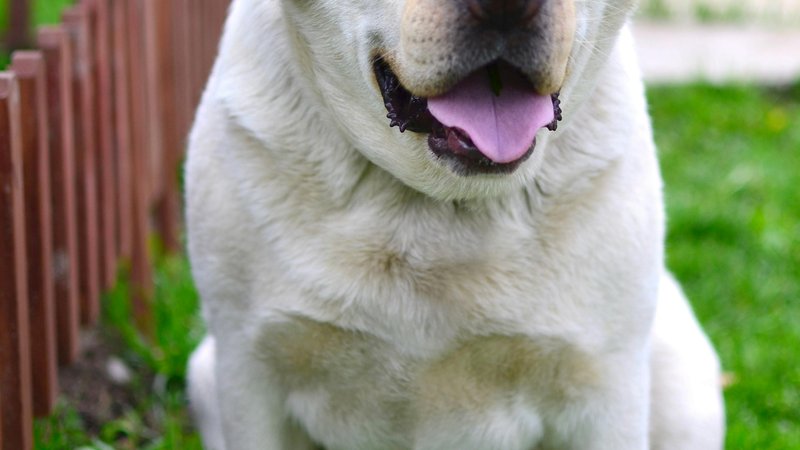
The Labrador Retriever is one of the most versatile and beloved trail companions in the world. Their athletic build, eager-to-please attitude, and natural love of water and the outdoors make them a top pick for hikers of all experience levels, from weekend warriors to serious long-distance trekkers.
- Key Detail: Labs have exceptional endurance and can comfortably handle trails ranging from 5 to 15+ miles, provided they are properly conditioned beforehand.
- Important Note: Their dense double coat offers moderate weather protection, but they can overheat in high summer temperatures, so plan hikes for cooler parts of the day.
2. Golden Retriever
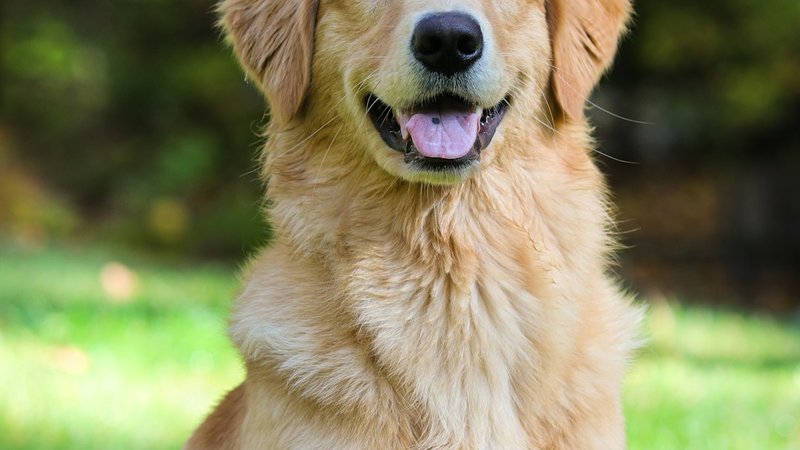
Golden Retrievers bring boundless enthusiasm and a famously gentle temperament to every trail. They adapt well to varied terrain and are known for staying close to their owners, making them a safe and sociable choice for group hikes or family outings with children.
- Key Detail: Goldens thrive on moderate to long hikes and particularly enjoy trails near streams or lakes where they can cool off naturally.
- Important Note: Their long, feathered coat can collect burrs and debris on brushy trails, so a thorough post-hike grooming check is essential to prevent matting and skin irritation.
3. Australian Shepherd
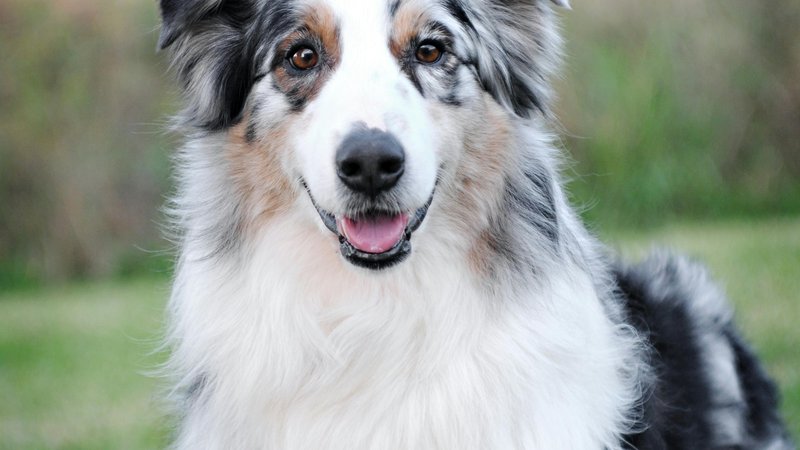
Australian Shepherds are high-energy working dogs that genuinely need vigorous daily exercise to stay mentally and physically balanced. The trail is their natural habitat, and they excel on technical, rocky, or elevation-heavy routes that would exhaust less athletic breeds.
- Key Detail: Aussies are highly trainable and respond extremely well to trail commands like “wait,” “leave it,” and recall, making off-leash hiking safer with consistent practice.
- Important Note: Without adequate mental stimulation and physical exercise, Australian Shepherds can develop destructive behaviors, so regular hiking genuinely benefits their overall wellbeing.
4. Siberian Husky
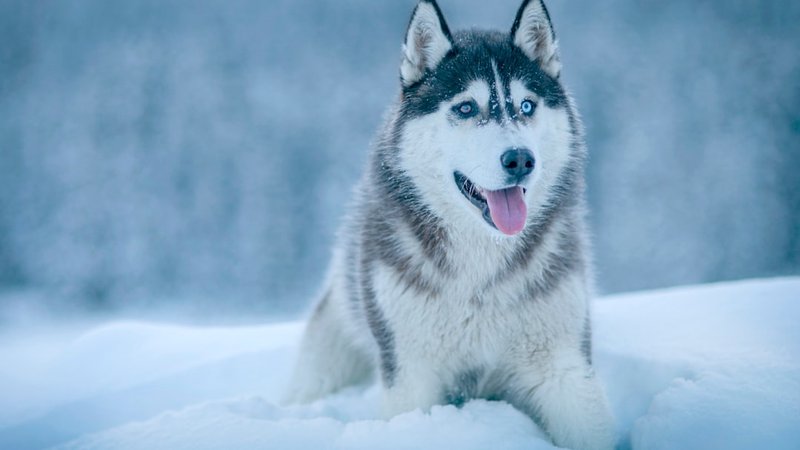
Built for endurance in extreme conditions, the Siberian Husky is a powerhouse on cold-weather trails. Their thick double coat insulates them in freezing temperatures, and their efficient metabolic rate allows them to cover impressive distances without tiring quickly.
- Key Detail: Huskies have a strong prey drive and an independent streak, so reliable recall training and a secure leash are critical on trails with wildlife.
- Important Note: They are poorly suited for hot-weather hiking and should be kept off trails when temperatures exceed 60°F to prevent dangerous overheating.
5. Vizsla
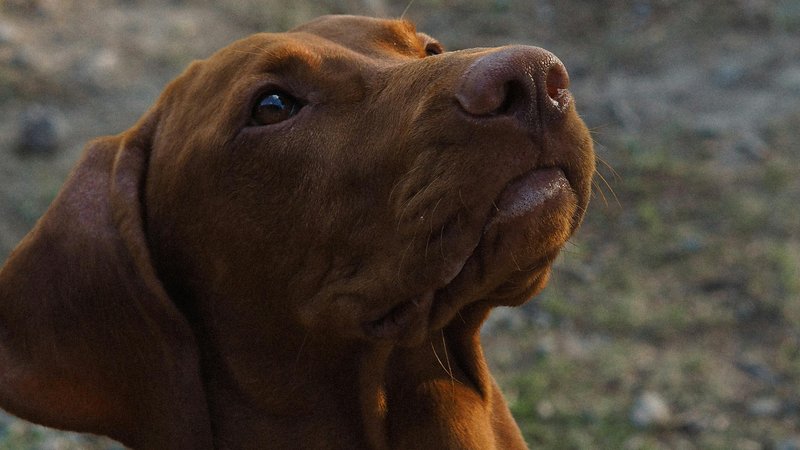
The Vizsla is often called the “Velcro dog” because of their intense loyalty and desire to stay close to their owner, a trait that makes them exceptional trail companions. Lean, muscular, and built for speed, they can keep pace on demanding hikes with ease.
- Key Detail: Vizslas have minimal body fat and a short single coat, which means they feel the cold more acutely than other breeds and may need a dog jacket on early-season mountain hikes.
- Important Note: Their high energy and sensitivity mean they do best with owners who hike frequently, as inconsistent exercise can lead to anxiety and restlessness at home.
6. Weimaraner
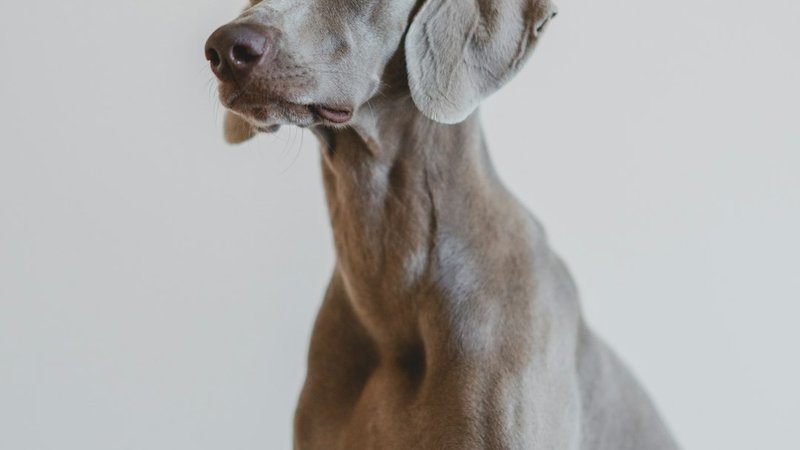
The sleek and powerful Weimaraner was originally bred as a hunting dog for large game, giving it the stamina, focus, and athleticism that translate beautifully to long-distance trail work. They are confident on rugged terrain and love having a job to do.
- Key Detail: Weimaraners can cover 10 to 20 miles per day when properly conditioned, making them ideal partners for ambitious multi-day backpacking trips.
- Important Note: Like the Vizsla, their short coat offers little insulation in cold or wet conditions, so weather-appropriate dog gear is a worthwhile investment for alpine or winter trails.
7. Border Collie
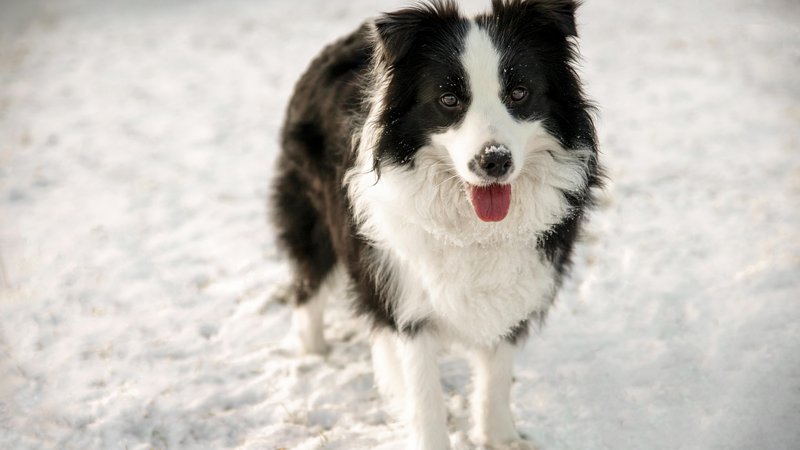
Widely regarded as the most intelligent dog breed in the world, the Border Collie combines sharp mental acuity with extraordinary physical endurance. They thrive on trails that challenge both their body and their mind, particularly routes with varied terrain and interesting scents.
- Key Detail: Border Collies excel at reading their environment and their owner’s cues, making them remarkably responsive trail partners who naturally adapt their pace to yours.
- Important Note: Their herding instinct may cause them to circle or nip at other hikers or animals on busy trails, so early socialization and solid obedience training are non-negotiable.
8. Rhodesian Ridgeback
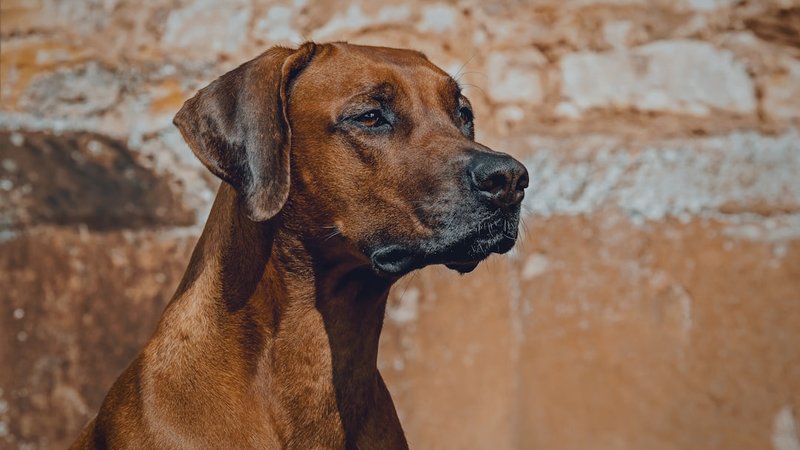
Originally bred to track lions across the African savanna, the Rhodesian Ridgeback is a heat-tolerant, endurance-focused breed that thrives on long, sun-exposed desert and canyon trails. Their short coat, lean frame, and powerful stride make them outstanding warm-weather hiking companions.
- Key Detail: Ridgebacks are independent thinkers with a strong prey drive, so off-leash reliability requires extensive, consistent training before being trusted on open trails.
- Important Note: Despite their heat tolerance, they still need consistent access to fresh water on the trail, particularly on hikes exceeding two hours in direct sunlight.
9. Bernese Mountain Dog
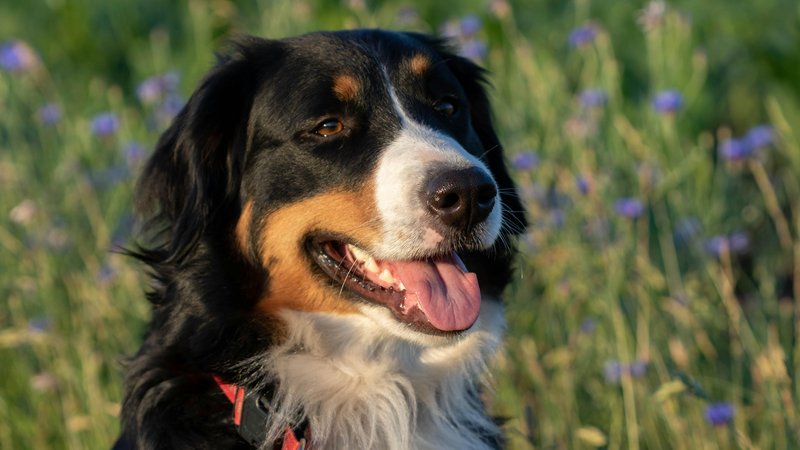
The Bernese Mountain Dog was literally purpose-built for alpine terrain, developed in the Swiss Alps as a drafting and farm dog. Their calm, steady temperament and powerful build make them excellent companions on scenic mountain trails, particularly at moderate paces and lower mileage.
- Key Detail: Berners are best suited for cool to cold mountain environments and can struggle significantly in heat, making early morning or shaded trail routes essential during warmer months.
- Important Note: Due to their large size and predisposition to joint issues, Bernese Mountain Dogs should have a veterinary orthopedic evaluation before beginning a regular hiking program.
10. German Shorthaired Pointer
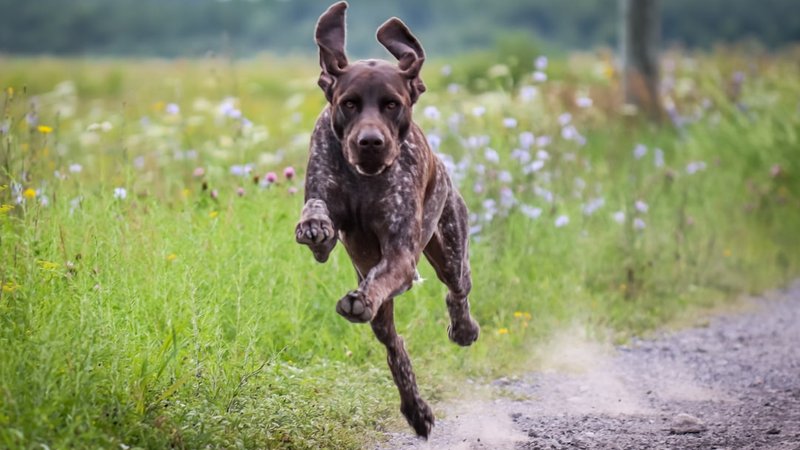
The German Shorthaired Pointer is a relentless, all-terrain athlete that many serious hikers consider the ultimate trail dog. Built for speed, agility, and endurance, the GSP can handle everything from swampy lowland trails to steep rocky ridgelines with equal enthusiasm and grace.
- Key Detail: GSPs have extraordinary cardiovascular efficiency and can sustain high-output activity for hours, making them one of the top choices highlighted by AKC breed experts for demanding hikes.
- Important Note: Their webbed feet give them a natural advantage on muddy or wet terrain, but their short coat still requires paw protection and warmth on cold alpine routes.
11. Brittany Spaniel
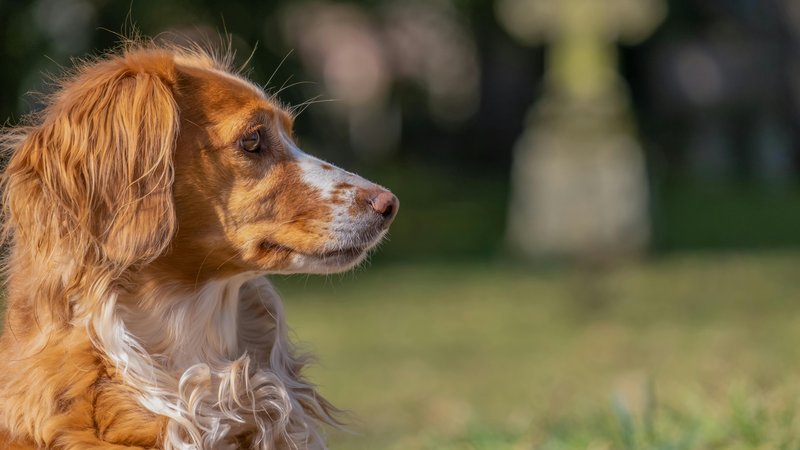
The Brittany Spaniel is a compact, agile bird dog that packs an enormous amount of energy and enthusiasm into a medium-sized frame. Their light weight and quick-footed agility make them surprisingly capable on technical trails where larger breeds struggle to maneuver.
- Key Detail: Brittanys are friendly, biddable, and highly trainable, which makes them an excellent choice for hikers who want a responsive trail partner without managing a large, powerful dog.
- Important Note: Their feathered legs and ears are prone to collecting ticks and burrs in dense brush, so a careful post-hike inspection is an important routine to build with this breed.
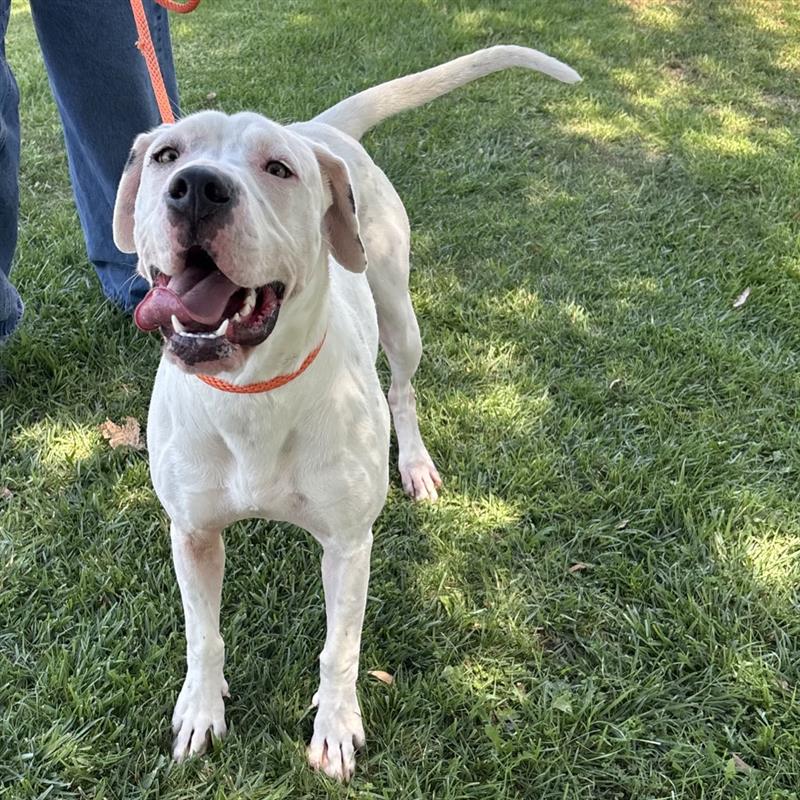
12. Mixed Breed Hiking Dogs
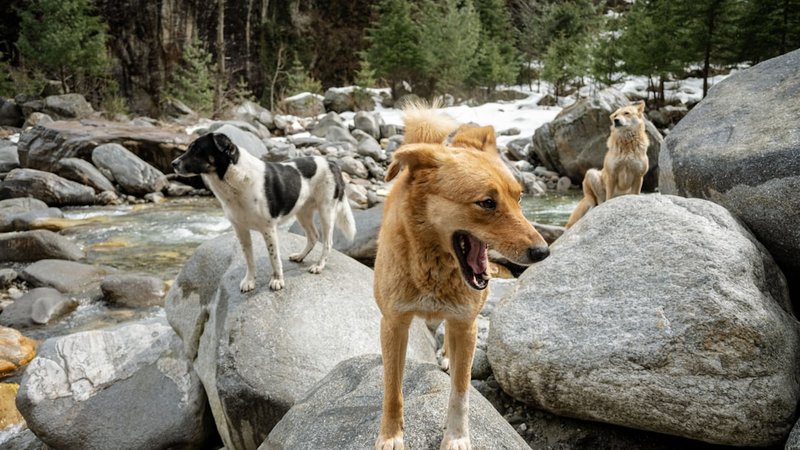
Mixed breed dogs are frequently overlooked in hiking breed conversations, yet they often combine the best athletic and temperamental traits of multiple working breeds. Many experienced hikers and outdoor adventurers have discovered that their rescue or shelter dog is among the most capable and devoted trail companions they have ever had.
- Key Detail: Hybrid vigor — the tendency of mixed breeds to be healthier and more resilient than purebreds — can translate to greater stamina, fewer orthopedic issues, and a longer active hiking career.
- Important Note: Assess a mixed breed’s individual fitness, temperament, and health before committing to demanding trails, as body composition and coat type vary widely and influence trail suitability significantly.
Endurance and Stamina Requirements for Trail Dogs
Not every dog that loves a walk around the block is ready for a ten-mile mountain trail. Trail endurance is built progressively over weeks and months of consistent conditioning, starting with shorter, flatter routes before graduating to elevation and longer distances.
Breeds with deep chests, long legs, and lean muscle mass — like the Vizsla, GSP, and Border Collie — naturally excel at sustained aerobic output. Stockier, heavier breeds may have impressive bursts of energy but can fatigue more quickly on extended climbs.
Size, Weight, and Terrain Compatibility Considerations
A dog’s size directly influences which terrain types suit them best. Large, powerful breeds handle boulder scrambles and river crossings well, while compact, lightweight dogs navigate narrow switchbacks and technical rocky trails with greater ease and less joint stress.
Weight also affects how long a dog can hike comfortably. Carrying even a few extra pounds significantly increases joint load on steep descents, which is why maintaining a lean, athletic body condition is one of the most important aspects of trail dog health management.
Temperament and Trainability for Safe Hiking
A physically capable dog that ignores commands on the trail is a liability, not an asset. Reliable recall, the ability to pass other hikers and dogs calmly, and comfort with unpredictable sounds and wildlife encounters are all non-negotiable temperament traits for safe trail work.
Breeds with high trainability scores — such as the Border Collie, Golden Retriever, and Labrador — tend to pick up trail manners quickly. High-prey-drive or independent breeds require more intensive, sustained obedience work before they can be trusted in open or off-leash environments.