








Not every dog owner wants to run marathons with their pet. Some people simply want a calm, affectionate companion who is happy to lounge on the couch and enjoy quiet evenings at home.
That is where low energy dog breeds shine. These dogs are perfectly content with short daily walks, gentle play sessions, and plenty of cuddle time — making them ideal for apartment dwellers, seniors, and busy professionals alike.
Choosing the right breed matters more than most people realize. The wrong match can lead to frustration for both owner and dog, while the right pairing creates a deeply rewarding bond. Read on to find your perfect laid-back companion.
1. Basset Hound

The Basset Hound is one of the most famously relaxed dogs on the planet. Their long ears, droopy eyes, and slow-moving nature make them a beloved choice for owners who prefer a mellow household.
- Key Specs: Medium-large breed, 40–65 lbs, lifespan of 10–12 years
- Pros: Gentle temperament, good with kids, minimal exercise needs, affectionate
- Cons: Prone to drooling, can be stubborn during training, ears need regular cleaning
2. Bulldog

The Bulldog is a stocky, easygoing breed that thrives on human companionship and short bursts of activity. Their flat face (brachycephalic structure) means they overheat easily, making long exercise sessions unsuitable.
- Key Specs: Medium breed, 40–50 lbs, lifespan of 8–10 years
- Pros: Calm indoors, loyal, great for apartment living, low exercise demands
- Cons: Significant health issues, higher vet costs, snoring and flatulence are common
3. Pug
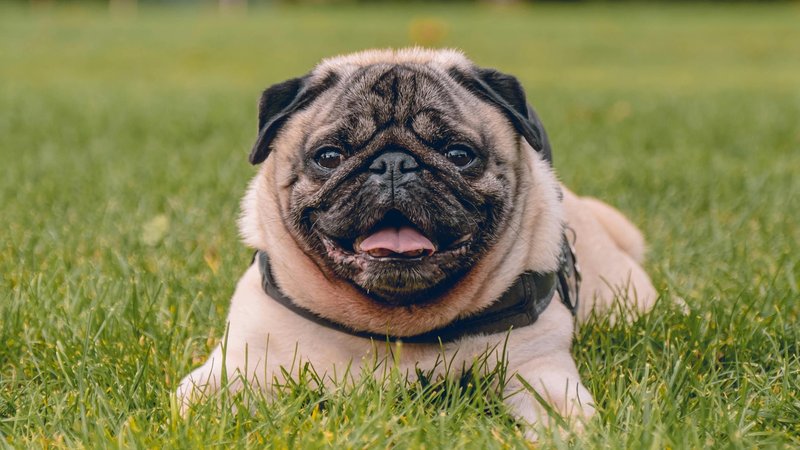
Pugs are charming, sociable little dogs who love nothing more than sitting in a warm lap. Like Bulldogs, their brachycephalic build limits their tolerance for heat and strenuous activity.
- Key Specs: Small breed, 14–18 lbs, lifespan of 13–15 years
- Pros: Playful yet low energy, great with families, adaptable to small spaces
- Cons: Prone to breathing issues, eye problems, and obesity if overfed
4. Cavalier King Charles Spaniel
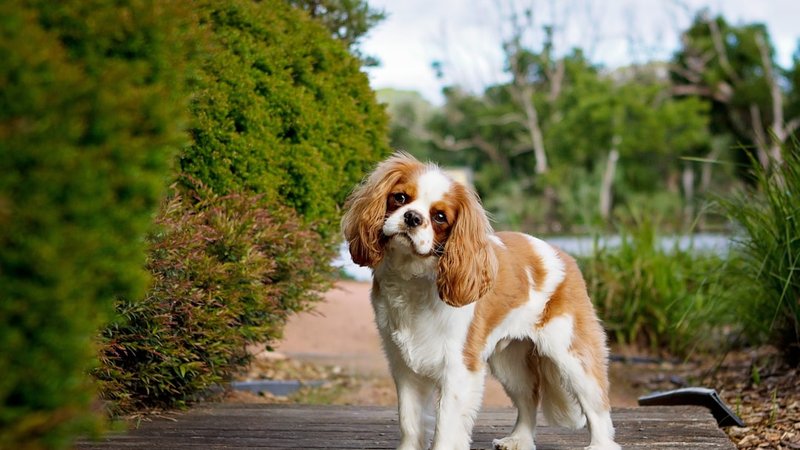
The Cavalier King Charles Spaniel is a gentle, adaptable breed that suits a wide range of lifestyles. According to senior dog care experts, Cavaliers are particularly well-suited for seniors with mobility challenges due to their affectionate and low-energy nature.
- Key Specs: Small breed, 12–18 lbs, lifespan of 12–15 years
- Pros: Loving, quiet, easy to train, excellent companion dog
- Cons: Prone to heart conditions and syringomyelia; regular vet checkups are essential
5. Shih Tzu

The Shih Tzu was bred specifically to be a companion dog, and it shows in every aspect of their personality. They are happiest curled up beside their owner and require only moderate daily walks.
- Key Specs: Small breed, 9–16 lbs, lifespan of 10–16 years
- Pros: Affectionate, low shedding with proper grooming, great for apartments
- Cons: Requires regular grooming, can be stubborn, prone to eye and dental issues
6. Bichon Frise

The Bichon Frise is a cheerful, gentle dog with a soft, fluffy coat and a calm disposition. They are considered a low-shedding breed, making them popular with allergy-sensitive owners.
- Key Specs: Small breed, 12–18 lbs, lifespan of 14–15 years
- Pros: Hypoallergenic coat, friendly, adaptable, good with children and seniors
- Cons: Needs professional grooming every 4–6 weeks, can develop separation anxiety
7. French Bulldog

The French Bulldog has become one of the most popular urban pets for good reason. They are compact, quiet, and remarkably content with short indoor play sessions. If you want to learn more, check out why the French Bulldog stands out for busy professionals.
- Key Specs: Small-medium breed, 20–28 lbs, lifespan of 10–12 years
- Pros: Minimal barking, low exercise needs, excellent apartment dog
- Cons: Expensive to purchase, prone to breathing and spinal issues, heat sensitive
8. Pekingese
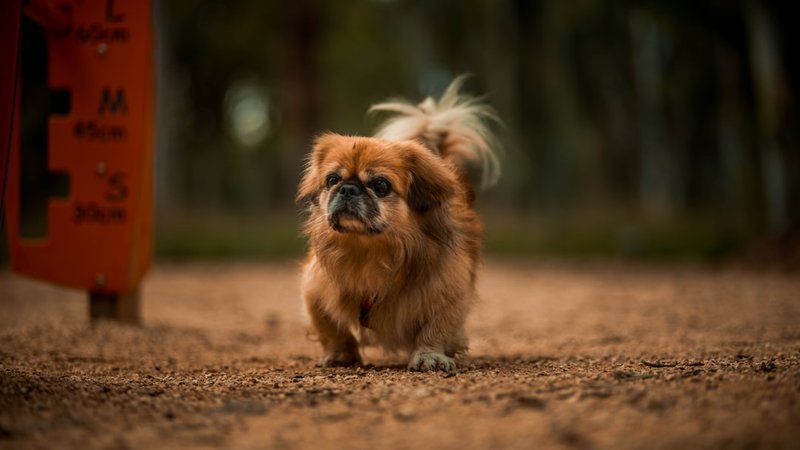
The Pekingese carries an air of dignified calm that makes them ideal for quiet households. Originally bred for Chinese royalty, these dogs are independent and prefer a relaxed, predictable routine.
- Key Specs: Small breed, 7–14 lbs, lifespan of 12–14 years
- Pros: Low exercise needs, loyal to their owner, calm and composed indoors
- Cons: Can be aloof with strangers, requires regular coat brushing, brachycephalic health risks
9. Boston Terrier
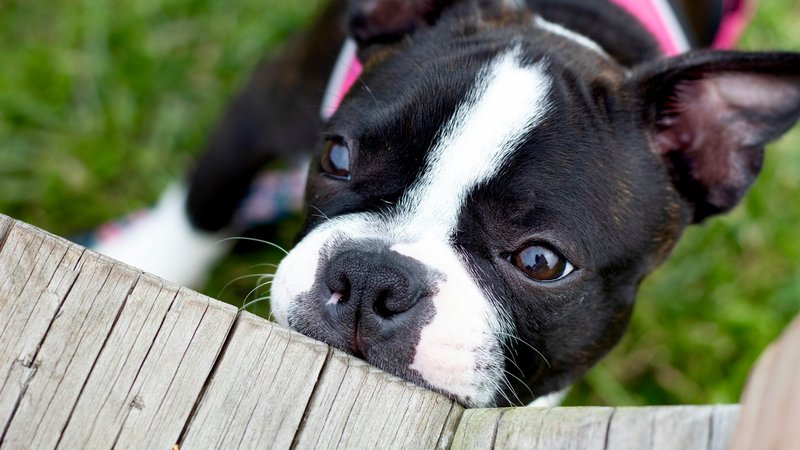
The Boston Terrier is a friendly, compact breed with moderate energy that is easy to manage. They enjoy short play sessions but are equally happy relaxing indoors with their family.
- Key Specs: Small breed, 12–25 lbs, lifespan of 11–13 years
- Pros: Gentle, easy to groom, good with seniors and children, apartment-friendly
- Cons: Prone to eye problems and brachycephalic issues, can be gassy
10. Chow Chow
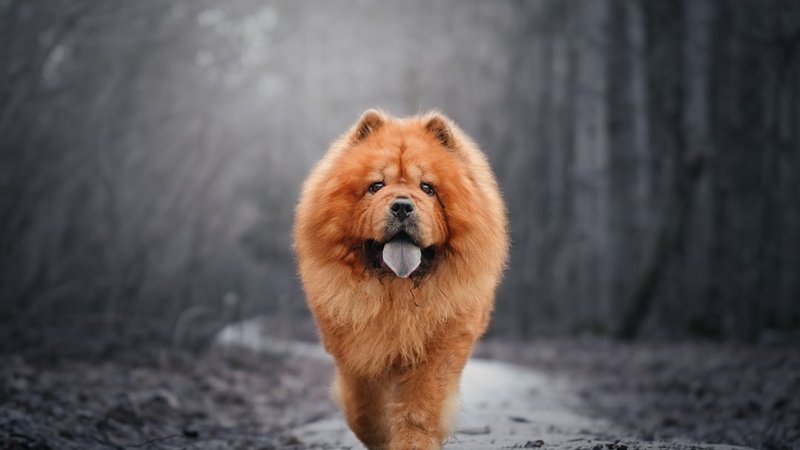
The Chow Chow is a dignified, independent breed that tends to be quiet and low-key around the home. They bond closely with one or two people and are not known for being overly demanding of exercise.
- Key Specs: Medium-large breed, 45–70 lbs, lifespan of 8–12 years
- Pros: Calm indoors, low playfulness demands, naturally clean breed
- Cons: Can be stubborn, heavy shedding seasons, not ideal for first-time owners
11. Shar Pei
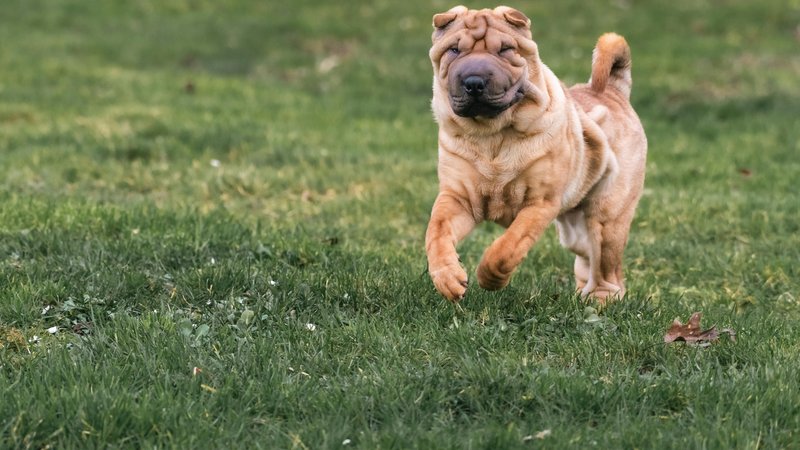
The Shar Pei is a calm, devoted breed known for its distinctive wrinkled skin and quiet personality. They are naturally low-energy and prefer a calm household environment.
- Key Specs: Medium breed, 45–60 lbs, lifespan of 8–12 years
- Pros: Loyal, low exercise demands, not excessive barkers
- Cons: Wrinkles require regular cleaning to prevent infections, prone to skin and joint issues
12. Clumber Spaniel
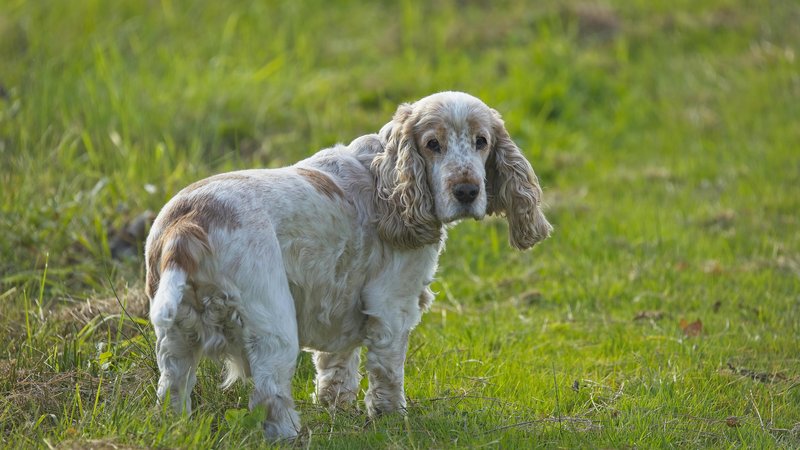
The Clumber Spaniel is a heavy, slow-moving sporting dog that is surprisingly well-suited to a relaxed lifestyle. Despite their hunting heritage, they are among the most laid-back of all spaniel breeds.
- Key Specs: Large breed, 55–85 lbs, lifespan of 10–12 years
- Pros: Gentle, quiet, affectionate, good with families
- Cons: Heavy shedding, drooling, needs moderate grooming
13. Mastiff
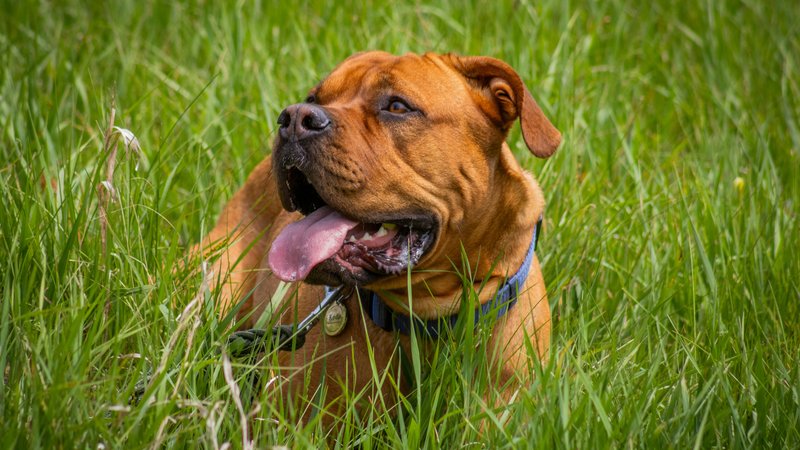
Despite their imposing size, Mastiffs are gentle giants who spend most of their day sleeping and lounging. They are naturally calm and require surprisingly little daily exercise for a dog of their stature.
- Key Specs: Giant breed, 120–230 lbs, lifespan of 6–10 years
- Pros: Calm temperament, loyal, low energy indoors, excellent family protector
- Cons: High food costs, significant drooling, shorter lifespan, large space needed
14. Great Dane
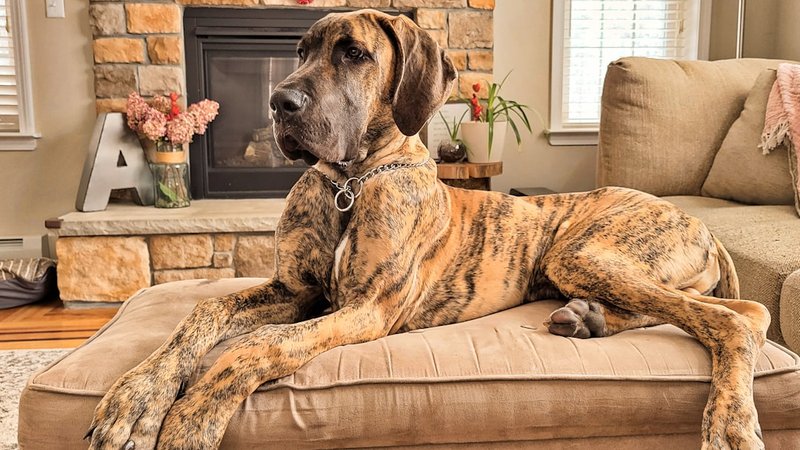
The Great Dane is another gentle giant that surprises many people with its calm, easygoing nature indoors. They are often called “apartment dogs in disguise” because of how little they move around the home.
- Key Specs: Giant breed, 110–175 lbs, lifespan of 7–10 years
- Pros: Friendly, low energy at home, great with children, easy to groom
- Cons: Short lifespan, high food and vet costs, prone to bloat
15. Lhasa Apso
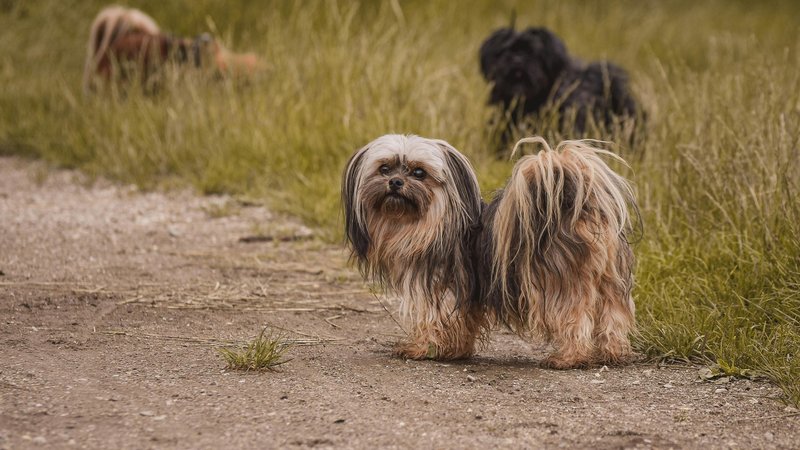
The Lhasa Apso was originally bred as a sentinel dog in Tibetan monasteries, but today they are content as calm household companions. They are independent by nature and do not demand constant activity.
- Key Specs: Small breed, 12–18 lbs, lifespan of 12–15 years
- Pros: Long lifespan, low exercise needs, loyal to their family
- Cons: Can be aloof with strangers, requires regular coat maintenance, stubborn streak
16. Maltese
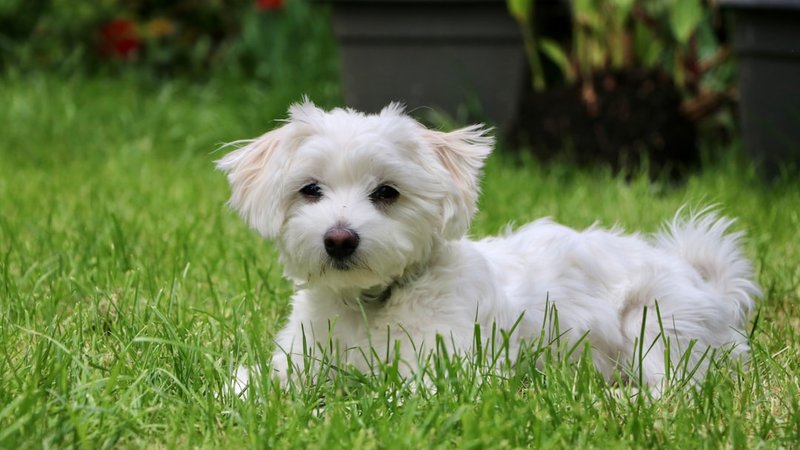
The Maltese is a tiny, silky-coated breed with a big personality and a very relaxed approach to daily life. Short indoor play sessions and a brief daily walk are all they need to stay happy and healthy.
- Key Specs: Toy breed, under 7 lbs, lifespan of 12–15 years
- Pros: Low shedding, great for seniors, affectionate and calm
- Cons: Requires daily coat brushing, prone to dental issues, can develop separation anxiety
17. Cocker Spaniel
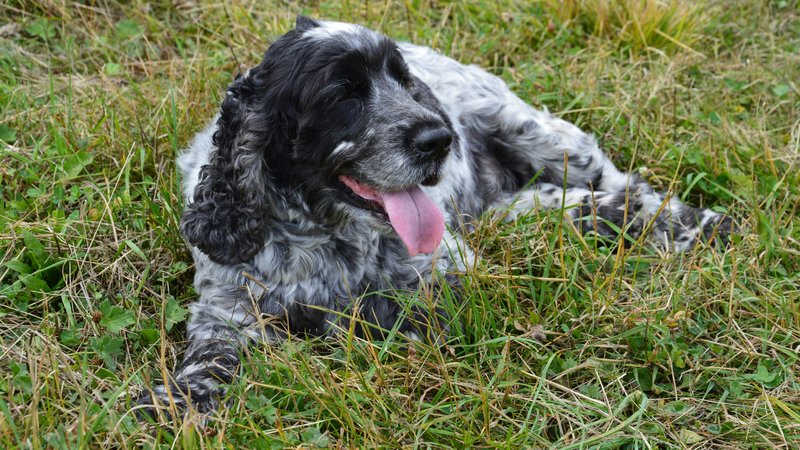
The Cocker Spaniel is a sweet, gentle breed that adapts well to a quieter lifestyle when given proper outlets. They enjoy moderate walks and short play sessions but are equally content resting at home. Understanding the ideal duration for daily dog walks can help you keep a Cocker Spaniel perfectly balanced.
- Key Specs: Medium breed, 20–30 lbs, lifespan of 10–14 years
- Pros: Gentle, good with families, easy to train, affectionate
- Cons: Ears need frequent cleaning, prone to ear infections, moderate grooming required
18. Greyhound

It may seem counterintuitive, but Greyhounds are one of the laziest breeds you can own. Despite their racing reputation, they are famously nicknamed “45-mph couch potatoes” because they sleep up to 18 hours a day.
- Key Specs: Large breed, 60–70 lbs, lifespan of 10–14 years
- Pros: Calm indoors, low grooming needs, gentle with people, many available for adoption
- Cons: Needs a securely fenced yard, sensitive to cold weather, strong prey drive
19. Saint Bernard
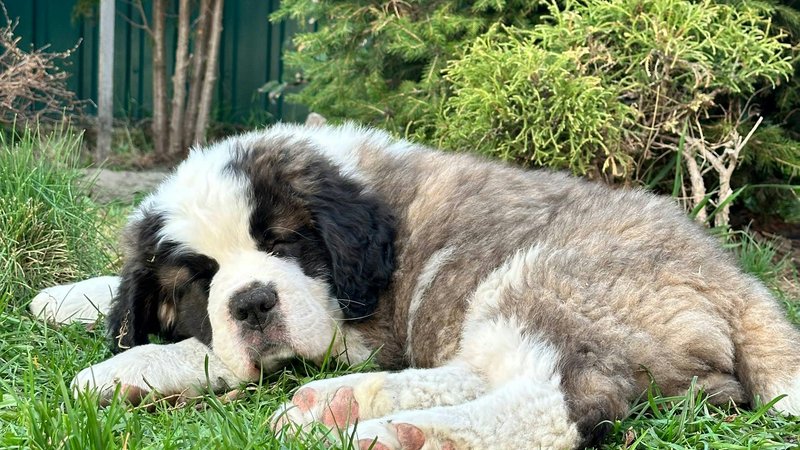
The Saint Bernard is a massive, warm-hearted breed that is naturally calm and patient. They were bred for mountain rescue work but are surprisingly low-energy in a home environment.
- Key Specs: Giant breed, 120–180 lbs, lifespan of 8–10 years
- Pros: Gentle with children, calm temperament, loyal and protective
- Cons: Heavy drooling, significant shedding, high food costs, not suited for hot climates
20. Newfoundland

The Newfoundland rounds out this list as one of the most gentle, calm, and affectionate giant breeds available. Their sweet nature and low indoor energy make them wonderful companions for families and seniors alike.
- Key Specs: Giant breed, 100–150 lbs, lifespan of 9–10 years
- Pros: Patient, gentle, great with children, calm and steady temperament
- Cons: Heavy shedding, drooling, high food and grooming costs, prone to joint issues
Understanding Low-Energy Dog Breeds: Temperament and Characteristics
Low energy dog breeds share several common traits: they tend to be calm, affectionate, and content with minimal daily stimulation. These dogs were often bred as companions rather than working animals, which shapes their relaxed personalities.
That said, “low energy” does not mean “zero needs.” Even the laziest breeds still require mental engagement, social interaction, and at least some daily movement to stay physically and mentally healthy.
Exercise Requirements and Daily Activity Levels
Most low energy breeds do well with one or two short walks per day, typically lasting 15 to 30 minutes each. This is far less demanding than high-energy breeds like Border Collies or Huskies, which may need hours of daily activity.
For indoor enrichment on days when outdoor walks are limited, 15-minute indoor games can provide just enough stimulation to keep your dog content and well-behaved.
Best Low-Energy Breeds for Seniors and People with Mobility Challenges
Seniors and individuals with limited mobility benefit most from small to medium-sized low energy breeds. The Cavalier King Charles Spaniel, Maltese, Shih Tzu, and Bichon Frise consistently rank among the top recommendations from senior pet care specialists.
These breeds offer companionship and emotional support without placing physical demands on their owners. They are gentle, predictable, and easy to handle on a leash.
Apartment Living and Small Space Suitability
Many low energy breeds adapt exceptionally well to apartment living. French Bulldogs, Pugs, Shih Tzus, and Boston Terriers are among the most popular choices for city dwellers with limited square footage.
The key is ensuring the dog receives enough mental stimulation and brief outdoor time each day, even in a small living space. A consistent routine helps these dogs thrive in compact environments.
Health Concerns and Genetic Issues in Low-Energy Breeds
Many low energy breeds, particularly brachycephalic (flat-faced) dogs like Bulldogs, Pugs, and French Bulldogs, carry significant genetic health risks. Breathing difficulties, eye problems, and spinal issues are common concerns in these breeds.
Giant breeds like Mastiffs, Great Danes, and Saint Bernards face different challenges, including joint disease, bloat, and shorter lifespans. Prospective owners should research breed-specific conditions thoroughly before committing.
Grooming and Maintenance Costs Across Breeds
Grooming needs vary widely among low energy breeds. Long-coated breeds like the Shih Tzu, Lhasa Apso, and Maltese require professional grooming every four to six weeks, which adds up over time.
Short-coated breeds like the Bulldog, Greyhound, and Mastiff are far easier and cheaper to maintain in terms of grooming. Choosing breeds with lower maintenance costs can make a significant difference in your overall pet ownership budget.
Heat Sensitivity and Climate Considerations
Brachycephalic breeds and giant breeds are particularly sensitive to heat. During warm months, outdoor exercise should be limited to early morning or evening hours when temperatures are cooler.
Cold-weather breeds like the Newfoundland and Saint Bernard, on the other hand, struggle in hot climates. Matching your breed choice to your local climate is an important part of responsible ownership.
Mental Stimulation Needs and Behavioral Prevention
Even calm dogs can develop destructive behaviors if they are consistently bored or under-stimulated. Puzzle feeders, short training sessions, and gentle interactive games are excellent tools for keeping low energy dogs mentally sharp.
Sniff walks — where you allow your dog to stop and smell freely — are particularly effective for breeds like the Basset Hound and Clumber Spaniel, whose noses are their primary source of mental engagement.
Lifespan Comparison and Longevity Expectations
Smaller low energy breeds like the Maltese, Bichon Frise, and Lhasa Apso tend to live well into their mid-teens. This long companionship can be deeply rewarding but also means a longer-term financial and care commitment.
Giant breeds like Great Danes and Mastiffs, while wonderfully calm, typically have lifespans of only seven to ten years. This shorter window is something prospective owners should consider carefully.
Family Compatibility and Child-Friendly Breeds
Many low energy breeds are excellent with children, including the Cavalier King Charles Spaniel, Newfoundland, Saint Bernard, and Basset Hound. Their patient, gentle natures make them tolerant companions for young families.
Some breeds, like the Chow Chow and Pekingese, can be more reserved or independent and may not be the best fit for households with very young or boisterous children.
Training Difficulty and First-Time Owner Suitability
Low energy does not always mean easy to train. Breeds like the Basset Hound, Chow Chow, and Pekingese can be notoriously stubborn. Consistent, positive reinforcement training from an early age is essential.
For first-time owners, the Cavalier King Charles Spaniel, Bichon Frise, and Maltese are among the most trainable and people-pleasing options. A vet’s perspective on the best breeds to keep as pets can also help narrow down the right choice.
Cost of Ownership: Veterinary Bills and Food Expenses
The cost of owning a dog goes well beyond the initial purchase price. Giant breeds like the Mastiff and Newfoundland require significantly more food each month than smaller breeds, which increases ongoing costs substantially.
Breeds with fewer genetic health issues tend to need fewer vet visits. As noted by animal welfare researchers, proper diet, regular exercise, and weight management are key factors in keeping vet bills manageable across all breeds.
Noise Levels and Barking Tendencies
Most low energy breeds are also relatively quiet, making them well-suited for apartment living or close-knit neighborhoods. French Bulldogs, Greyhounds, and Cavalier King Charles Spaniels are known for being particularly quiet.
Basset Hounds and Beagles, while low energy, are known for their loud, distinctive howls. If noise is a concern for you or your neighbors, this is an important factor to research before choosing a breed.