

Watermelon is one of summer’s most beloved fruits, and if you’ve ever eaten a slice near your dog, you already know that hopeful stare. The good news is that watermelon is generally safe for dogs and can even offer some real nutritional value.
That said, there are a few important rules to follow before you hand a chunk over. Not every part of the fruit is safe, and serving size matters more than most pet owners realize.
Watermelon Safety and Nutritional Benefits for Dogs
Watermelon is low in calories and packed with vitamins A, B6, and C, along with potassium. It also contains lycopene, a powerful antioxidant that supports cellular health in both humans and animals.
One of its biggest advantages is its water content. Watermelon is made up of about 92% water, making it a genuinely hydrating snack on a hot day. According to a detailed nutritional review of watermelon, it also provides citrulline, an amino acid that supports healthy blood flow.
These nutrients translate well for dogs. The antioxidants help fight inflammation, and the high water content supports kidney function and overall hydration, especially in warmer months.
Proper Preparation: Seeds, Rinds, and Serving Methods
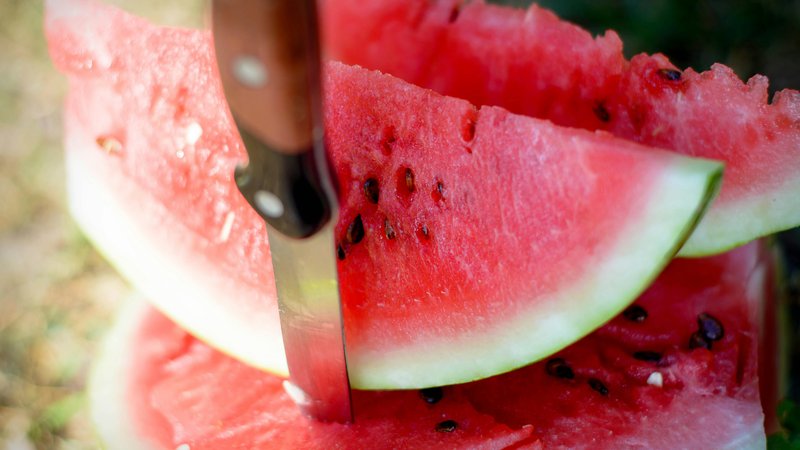
Before giving watermelon to your dog, you must remove all seeds. Black seeds can cause intestinal blockages, particularly in smaller breeds. While a single seed is unlikely to cause harm, regular exposure adds unnecessary risk.
The rind is also off the table. Although it isn’t toxic, the tough green skin is difficult for dogs to digest and can lead to gastrointestinal upset, including vomiting and diarrhea.
Stick to fresh, seedless watermelon flesh cut into bite-sized cubes. You can also freeze small pieces for a cool treat during summer. Avoid watermelon-flavored products, juices, or anything containing added sugar or artificial sweeteners, especially xylitol, which is toxic to dogs.
Portion Control and the 10% Treat Rule
Even healthy foods can cause problems when overfed. Watermelon contains natural sugars, and too much of it can upset your dog’s stomach or contribute to weight gain over time.
Veterinarians commonly recommend following the 10% rule: treats of any kind, including fruit, should make up no more than 10% of your dog’s daily caloric intake. For a small dog, that might mean just one or two small cubes. For a larger breed, a few more pieces are appropriate.
If you’re already offering other healthy extras like chia seeds for dogs, factor those into the daily treat allowance as well. Variety is great, but balance is essential.
Special Considerations for Puppies, Senior Dogs, and Specific Health Conditions
Puppies have more sensitive digestive systems than adult dogs. Introduce watermelon in very small amounts and monitor closely for any signs of loose stools or stomach discomfort before making it a regular treat.
Senior dogs can enjoy watermelon, but those with kidney disease should be monitored carefully. The high potassium content may be a concern for dogs already managing kidney-related conditions. Always consult your vet if your dog has an existing health issue.
Dogs with diabetes should also have watermelon limited or avoided. Although the glycemic load per serving is relatively low, the natural sugars can still affect blood glucose levels in sensitive animals.
Risks and When to Avoid Watermelon
The most common risks associated with watermelon for dogs are digestive in nature. Overfeeding can cause diarrhea, gas, or bloating. If your dog eats rind or a large number of seeds, watch for signs of intestinal distress and contact your vet if symptoms persist.
Allergic reactions to watermelon are rare but possible. Signs to watch for include itching, swelling, hives, or difficulty breathing. If any of these occur, stop feeding the fruit immediately and seek veterinary advice.
It’s also worth being mindful about what else your dog eats alongside new foods. If you’re exploring safe and unsafe foods more broadly, understanding which nuts are safe for dogs is another important piece of the puzzle, since some common snacks are far more dangerous than they appear.
When prepared correctly and served in appropriate amounts, watermelon is a genuinely enjoyable and beneficial treat for most dogs. Keep it simple, keep it fresh, and your dog can safely share in one of summer’s best flavors.