









Clams are a staple in many coastal kitchens, but when your dog gives you those pleading eyes at the dinner table, you might wonder whether sharing is actually safe. The short answer is yes — dogs can eat clams — but the details matter a great deal.
Not all shellfish are created equal, and preparation makes all the difference between a healthy treat and a trip to the emergency vet. Here is everything you need to know before offering your dog a taste.
Nutritional Benefits of Clams for Dogs
Clams are surprisingly nutrient-dense for such a small food. They are an excellent source of lean protein, which supports muscle maintenance and overall energy levels in dogs of all sizes.
Beyond protein, clams deliver meaningful amounts of omega-3 fatty acids, which promote a healthy coat and reduce inflammation. They also contain iron, zinc, magnesium, and vitamin B12 — all nutrients that contribute to a well-functioning immune system and nervous system.
Clams are also relatively low in calories compared to many other protein sources. For dogs on a balanced diet, they can serve as an occasional nutrient boost without tipping the caloric scale.
Safe Preparation Methods and Serving Guidelines
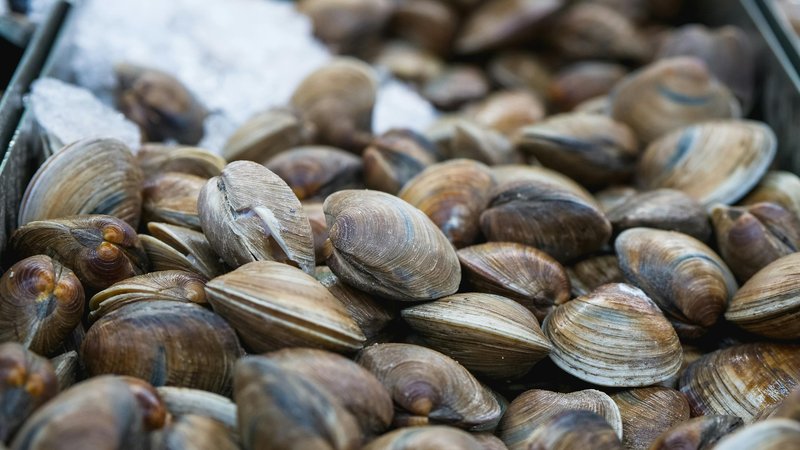
Always serve clams cooked and plain. Steamed or boiled clams with no added salt, butter, garlic, or seasoning are the safest option for your dog.
Raw clams carry a real risk of bacterial contamination, including Vibrio bacteria, which can cause serious gastrointestinal illness. Cooking eliminates this risk entirely and makes the meat easier for dogs to digest.
Remove the shells completely before serving. Clam shells are sharp and can splinter, posing a choking hazard or causing internal damage. Serve only the soft meat, cut into small, manageable pieces appropriate for your dog’s size.
If you are already exploring creative ways to add variety to your dog’s meals, homemade rabbit recipes for dogs follow a similar principle of simple, clean preparation with no harmful additives.
Health Risks and Precautions to Consider
While clams are generally safe, there are real risks to keep in mind. Shellfish allergies do exist in dogs, and even a first-time exposure can trigger a reaction ranging from mild itching to more serious symptoms like vomiting, swelling, or difficulty breathing.
Introduce clams slowly and in very small amounts. Watch your dog closely for at least 24 hours after the first serving to check for any adverse reactions.
Clams can also be high in sodium depending on how they are sourced or stored. Canned clams, in particular, are often packed in salted water and should be avoided entirely. Excess sodium is harmful to dogs and can lead to dehydration or, in severe cases, sodium poisoning.
Clams Compared to Other Safe Shellfish Options
Clams sit in a relatively favorable position compared to many other shellfish when it comes to canine safety. As noted by pet health experts, lobsters are high in fat and sodium, shrimp carry toxin risks, and crab is very high in iodine — all concerns that make them less ideal for regular feeding.
Clams tend to have a more balanced nutritional profile and a lower fat content than many of their shellfish counterparts. That said, moderation is still essential, and clams should never replace a complete, balanced diet.
For dogs who enjoy fish-based proteins, tuna in spring water is another option worth understanding before adding it to your dog’s rotation.
Age-Specific Recommendations and Portion Control
Puppies have more sensitive digestive systems and developing immune responses, which makes introducing new foods like clams riskier at a young age. It is best to wait until your dog is at least one year old before offering shellfish of any kind.
Senior dogs may also need extra caution, particularly those with kidney disease or heart conditions where sodium and mineral intake must be carefully managed. Always consult your veterinarian before adding clams to the diet of an older dog.
For healthy adult dogs, a portion of two to three small pieces of cooked clam meat once or twice a week is a reasonable starting point. Treats and supplemental foods like clams should make up no more than 10% of your dog’s total daily caloric intake — a principle aligned with balanced daily nutrition guidelines that emphasize proportion and moderation across all food types.
When in doubt, your veterinarian is always the best resource. A quick conversation before introducing any new food can prevent a lot of unnecessary worry and keep your dog both happy and healthy.