

Reptiles make surprisingly rewarding companions. They are quiet, low-allergen, and endlessly fascinating to observe — but choosing the right species is everything.
Before you bring one home, it pays to understand care requirements, legal restrictions, and veterinary needs. This list covers the 20 best reptiles to keep as pets, ranked by beginner-friendliness and overall suitability.
If you are already exploring the wider world of legal exotic pets in the U.S., reptiles are often among the most manageable options available.
1. Bearded Dragons
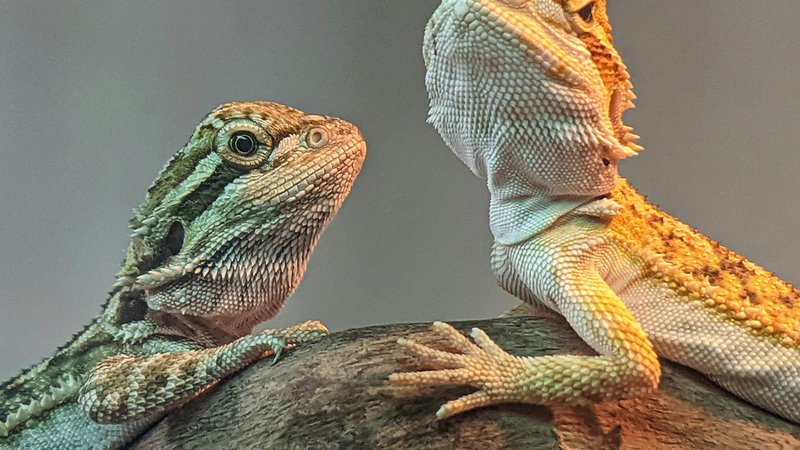
Bearded dragons are arguably the gold standard for beginner reptile keepers. They are docile, interactive, and tolerate handling exceptionally well. Be aware that common health issues include metabolic bone disease, atadenovirus, and respiratory infections.
- Key Detail: Requires UVB lighting and a basking spot of 100–110°F.
- Important Note: Regular veterinary checkups are essential to catch parasites early.
2. Leopard Geckos
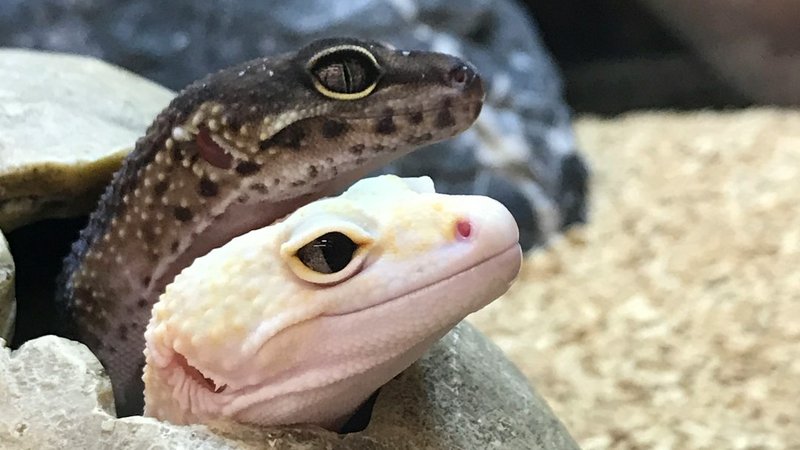
Leopard geckos are one of the most popular reptile pets worldwide, and for good reason. They are small, hardy, and thrive in simple setups without needing UVB lighting.
- Key Detail: Nocturnal species that eats live insects like crickets and mealworms.
- Important Note: Never house two males together — territorial aggression is serious.
3. Corn Snakes
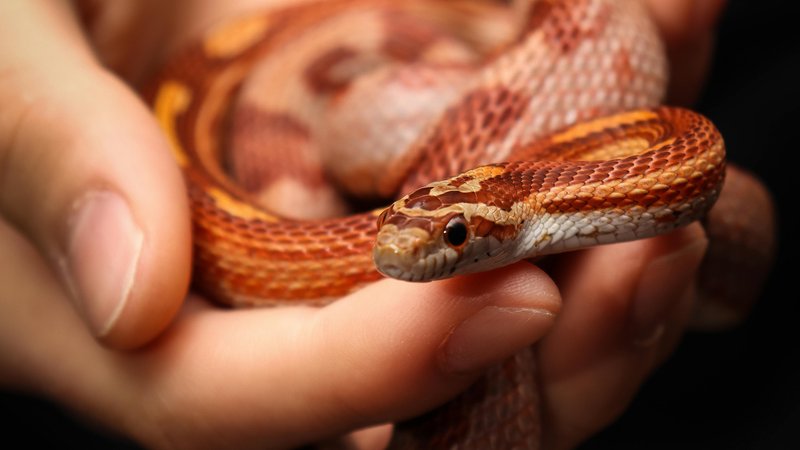
Corn snakes are the definitive beginner snake. They are slender, gentle, and come in dozens of beautiful color morphs. Their modest size and forgiving temperament make them ideal for first-time snake owners.
- Key Detail: Adults reach 3–5 feet and eat pre-killed mice every 7–10 days.
- Important Note: Secure enclosure lids are non-negotiable — corn snakes are escape artists.
4. Ball Pythons
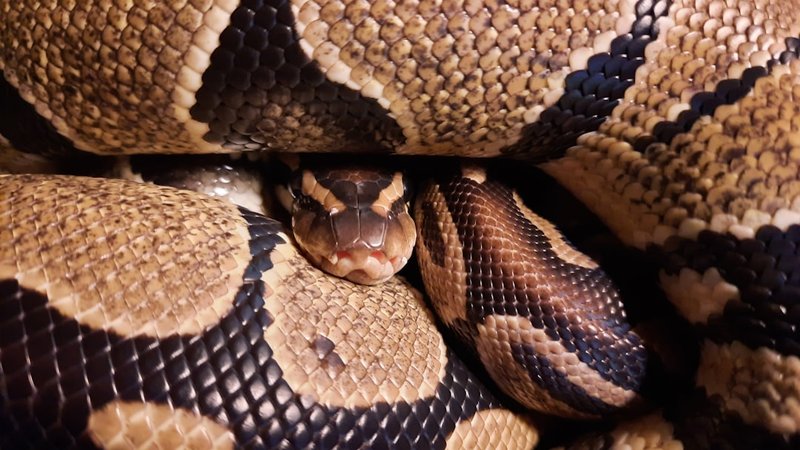
Ball pythons are the world’s most widely kept pet snake species. Their tendency to curl into a ball when stressed gives them their name, and their calm nature makes them highly handleable.
- Key Detail: Require ambient temperatures of 80°F and a hot spot of 88–92°F.
- Important Note: Feeding refusals during breeding season are common and usually not alarming.
5. Crested Geckos
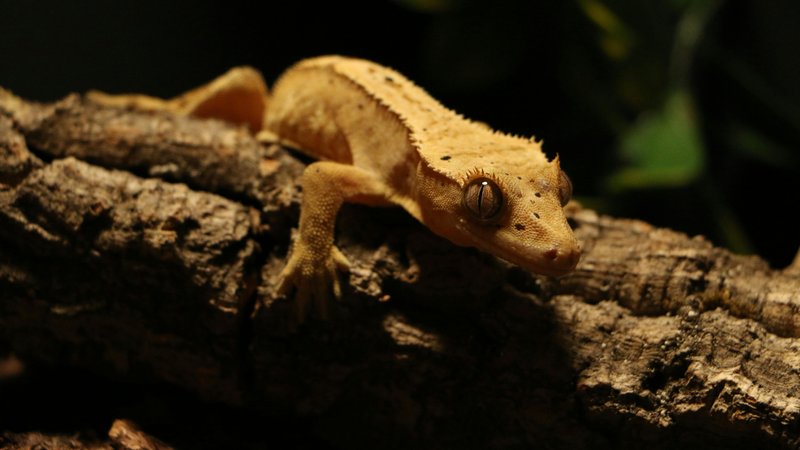
Crested geckos were once thought extinct and are now among the most beloved pet lizards. They thrive at room temperature and can be fed commercial crested gecko diet, simplifying care considerably.
- Key Detail: Prefer cooler temps of 72–78°F — they stress above 85°F.
- Important Note: Dropped tails do not regenerate in this species.
6. Green Anoles
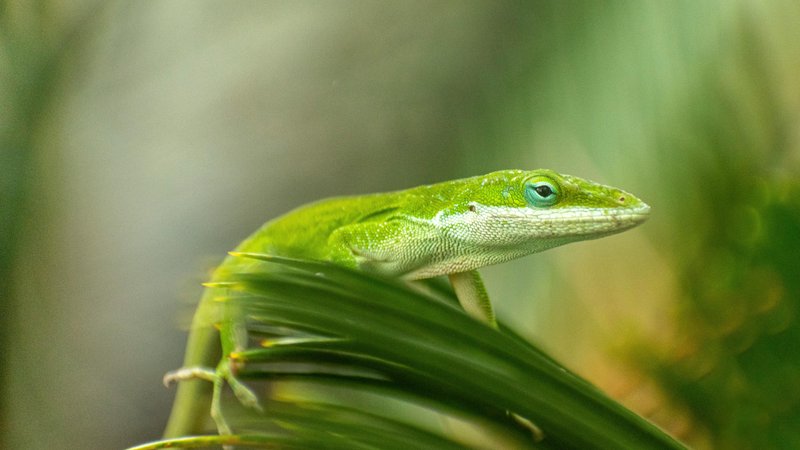
Green anoles are small, affordable, and active lizards that make excellent display animals. They are native to the southeastern United States and adapt well to bioactive vivariums.
- Key Detail: Males display a distinctive pink dewlap to communicate and attract mates.
- Important Note: They are fragile and better observed than frequently handled.
7. Red-Eared Slider Turtles

Red-eared sliders are the most common pet turtle in the United States. They are robust and long-lived, but require both a large aquatic area and a dry basking platform with UVB lighting.
- Key Detail: Can live 20–40 years, making them a serious long-term commitment.
- Important Note: Salmonella risk means thorough handwashing after every interaction is mandatory.
8. Russian Tortoises
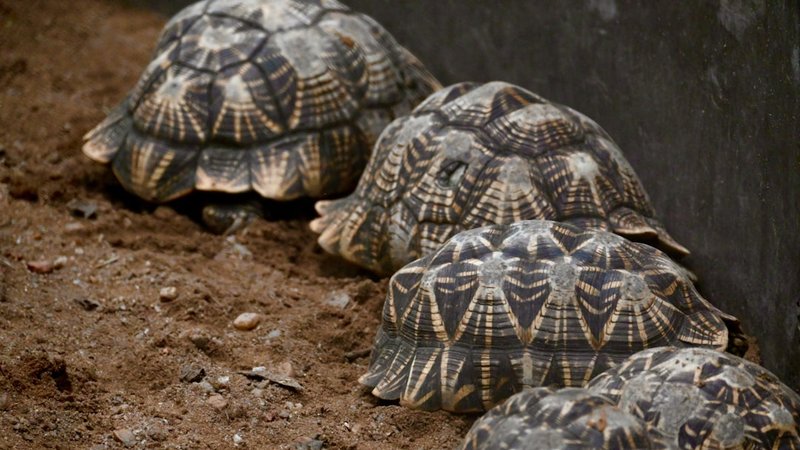
Russian tortoises are compact, personable, and among the hardiest tortoise species available. They are a far more manageable size than many other tortoises and do well in outdoor enclosures in warm climates.
- Key Detail: Primarily herbivorous — feed leafy greens, weeds, and occasional flowers.
- Important Note: They are powerful diggers and require escape-proof enclosure walls.
9. King Snakes
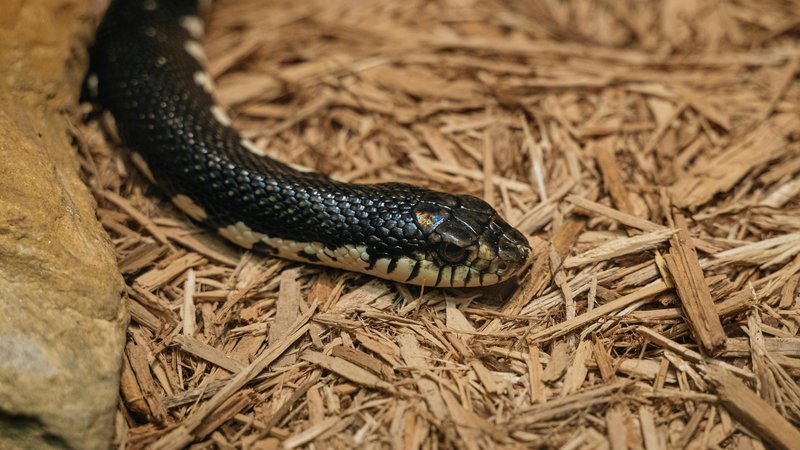
King snakes are bold, curious, and naturally immune to the venom of pit vipers. They are active feeders and come in striking banded patterns that make them visually impressive display animals.
- Key Detail: Adults typically reach 3–4 feet and are easy to feed on frozen-thawed rodents.
- Important Note: Keep singly — they will consume other snakes, including other king snakes.
10. Boa Constrictors
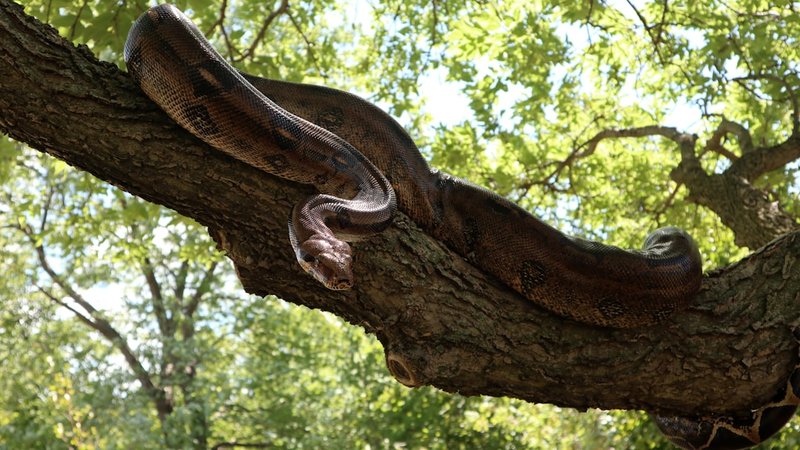
Boa constrictors are powerful, intelligent snakes that form genuine bonds with experienced keepers. They require significantly more space and feeding commitment than beginner species, but reward dedicated owners richly.
- Key Detail: Common boas reach 6–10 feet; check state ownership laws before acquiring one.
- Important Note: Always use a two-person handling rule for snakes over 6 feet.
11. Blue-Tongued Skinks

Blue-tongued skinks are chunky, slow-moving lizards with an unmistakable cobalt-blue tongue. They are omnivorous, highly curious, and become remarkably tame with regular handling from a young age.
- Key Detail: Eat a varied diet of vegetables, protein, and occasional fruit.
- Important Note: Northern BTS species are hardier and better suited to beginners than Indonesian species.
12. Panther Chameleons
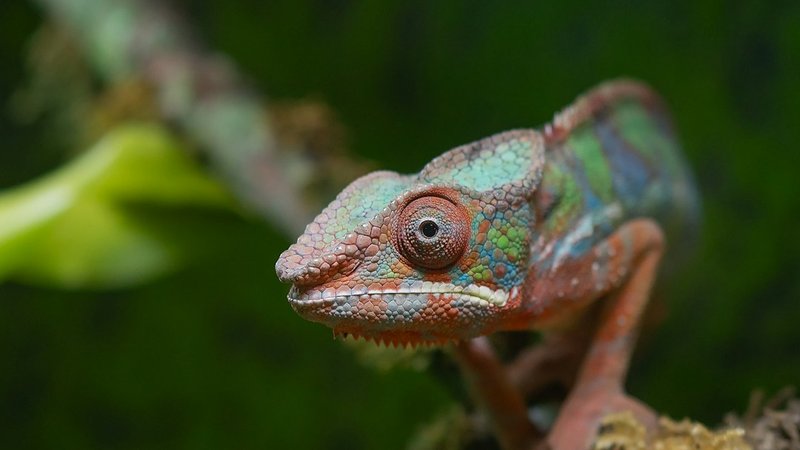
Panther chameleons are among the most visually stunning reptiles on the planet. Males display explosive colors of red, blue, orange, and green. However, they are sensitive animals with complex husbandry requirements.
- Key Detail: Require screen enclosures, drip systems for hydration, and high UVB exposure.
- Important Note: Stress from overhandling can cause serious health decline — observe more than you hold.
13. Gargoyle Geckos
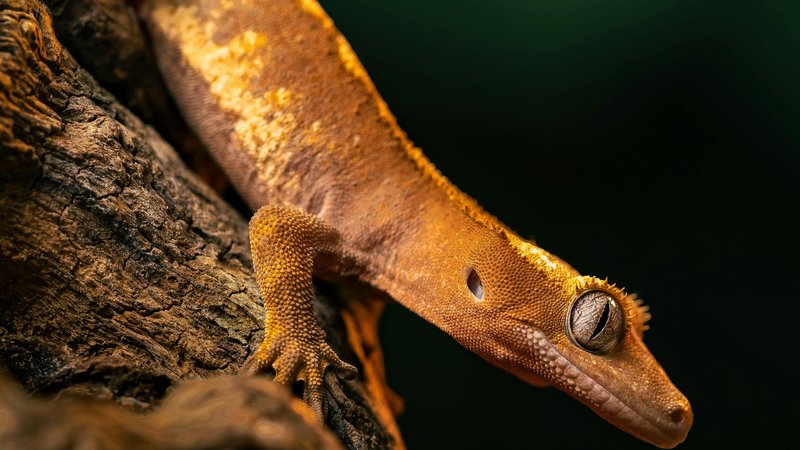
Gargoyle geckos are a close relative of the crested gecko and share many of the same easy-care traits. Their bumpy, textured skin gives them a prehistoric appearance that reptile enthusiasts adore.
- Key Detail: Unlike crested geckos, dropped tails do slowly regenerate in gargoyle geckos.
- Important Note: Adults can be more aggressive than crested geckos — handle with care initially.
14. Emerald Tree Boas
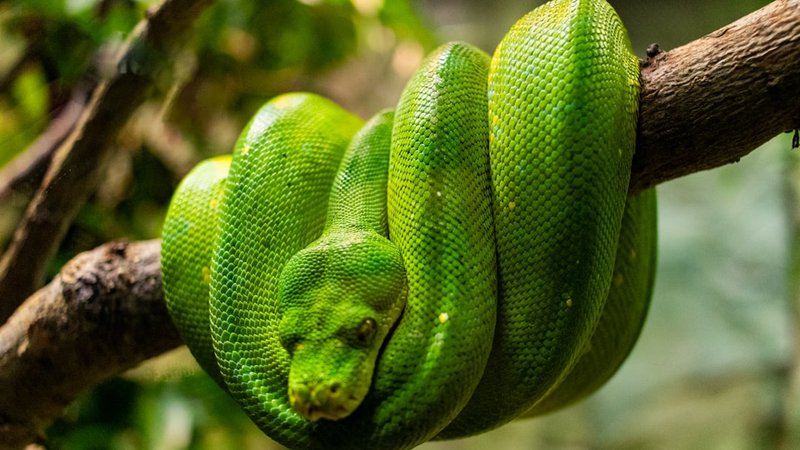
Emerald tree boas are breathtaking display snakes with vivid green coloration and a distinctive coiled resting posture. They are strictly for experienced keepers due to their defensive temperament and precise humidity needs.
- Key Detail: Require high humidity of 80–90% and vertical enclosures with sturdy perches.
- Important Note: Bites are common from poorly socialized individuals — thick gloves are advisable.
15. Sulcata Tortoises
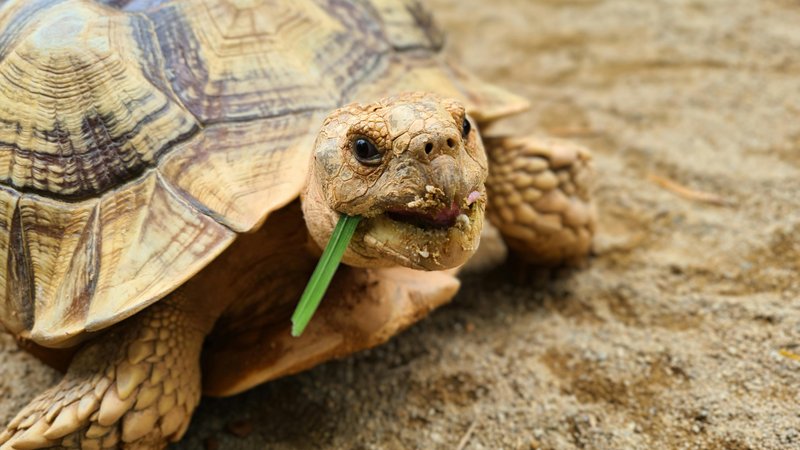
Sulcata tortoises are the third-largest tortoise species in the world, and they grow fast. A hatchling the size of a golf ball can become a 100-pound animal within a decade.
- Key Detail: Require outdoor space in warm climates and a high-fiber, grass-based diet.
- Important Note: Rehoming difficulty is extremely high — research thoroughly before committing.
16. Savannah Monitors
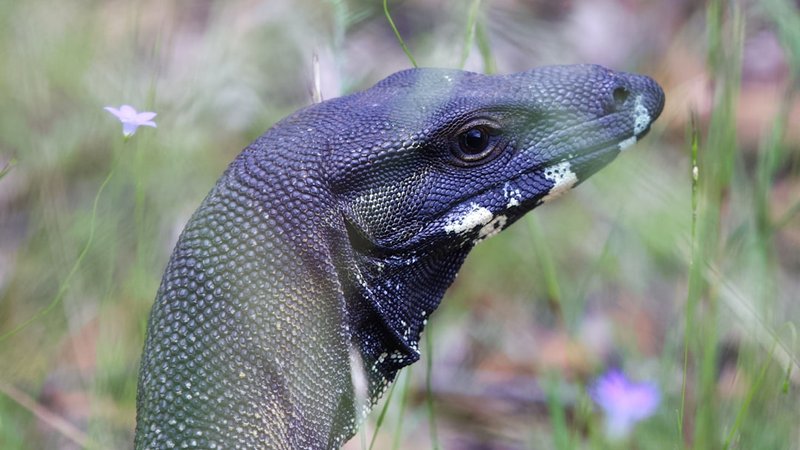
Savannah monitors are intelligent, powerful lizards that can become genuinely tame with consistent socialization. They are one of the more handleable monitor species, though their size and strength demand experienced ownership. If you ever need to transport your reptile, planning ahead with the right kit for exotic pets on the move is essential.
- Key Detail: Adults reach 3–4 feet and require enclosures of at least 8×4 feet.
- Important Note: A protein-rich diet of insects and whole prey is critical for long-term health.
17. Milk Snakes
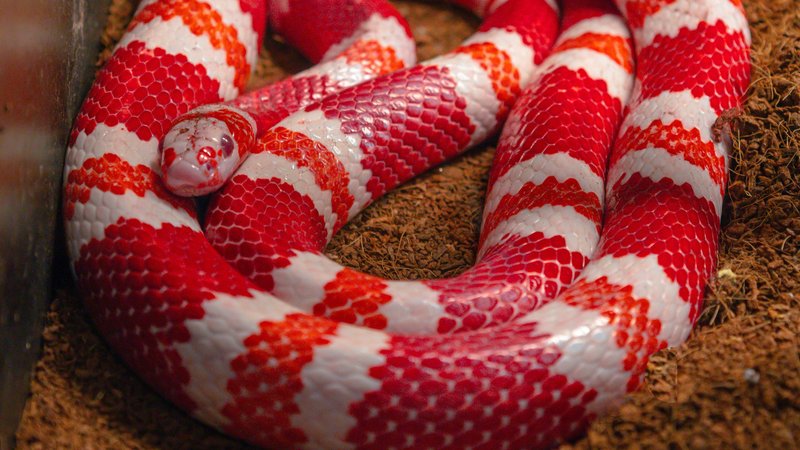
Milk snakes are strikingly beautiful colubrids that mimic the coloration of venomous coral snakes. They are completely harmless, easy to feed, and available in a wide range of subspecies and morphs.
- Key Detail: Reach 2–4 feet depending on subspecies; thrive on frozen-thawed pinky mice.
- Important Note: Younger animals can be nippy but typically calm significantly with age.
18. Axolotls
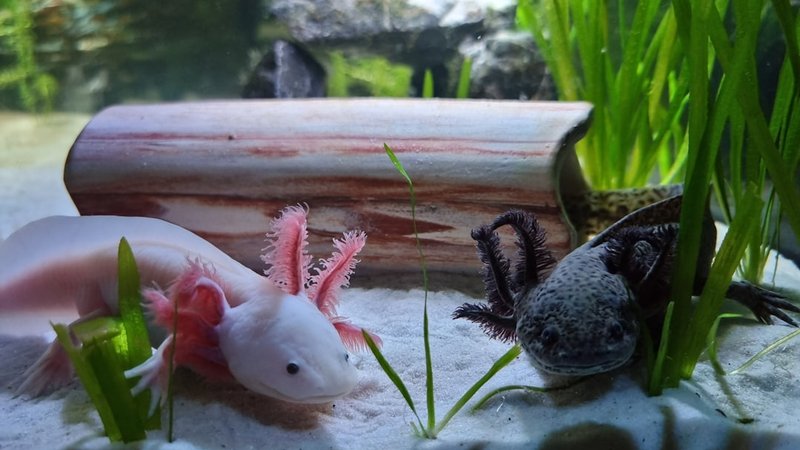
Axolotls are aquatic salamanders — technically amphibians — but are frequently grouped with reptile pets due to their exotic appeal and similar ownership community. Their feathery external gills and smiling faces make them uniquely captivating.
- Key Detail: Require cold, clean water between 60–68°F and a gentle filtration system.
- Important Note: Illegal to own in some states — always verify local regulations first.
19. Painted Turtles
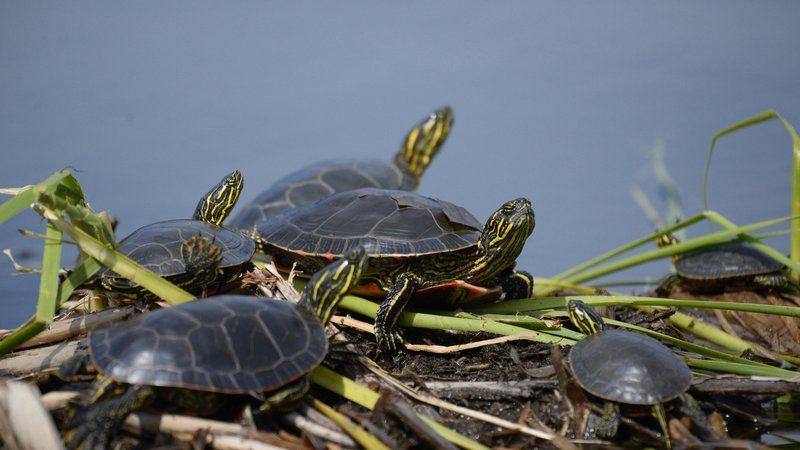
Painted turtles are North America’s most widespread native turtle and a popular choice for aquatic turtle enthusiasts. Their colorful red and yellow markings along the shell edge are genuinely striking under good lighting.
- Key Detail: Need a large aquatic setup with UVB basking lamps and a strong filter.
- Important Note: Wild-caught individuals should never be purchased — always source captive-bred animals.
20. Uromastyx Lizards
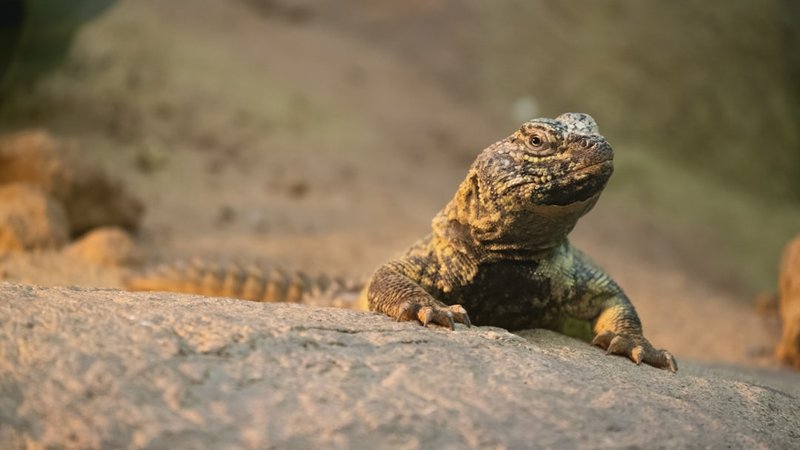
Uromastyx are spiny-tailed lizards from arid regions of Africa and the Middle East. They are herbivorous, heat-loving, and surprisingly personable once established in a proper enclosure.
- Key Detail: Require extreme basking spots of 120–130°F and a seed-heavy vegetarian diet.
- Important Note: They obtain most hydration from food — a water dish is rarely needed.
Legal Restrictions and Permits by State
Reptile ownership laws vary dramatically across the United States. Some states impose strict caps — for example, Maine limits residents to just 2 per species of reptiles without a permit for personal use.
Always research your specific state and county regulations before purchasing any reptile. Permit requirements, banned species lists, and possession limits can change, and violations carry real legal consequences.
Finding a Reptile Veterinarian and Understanding Care Costs
Not every veterinarian treats reptiles. You need an exotic animal specialist, and their services carry a premium. Reviewing average veterinary treatment costs before committing to a species will help you budget realistically.
Emergency care, diagnostic imaging, and surgical procedures for reptiles can run into the hundreds or thousands of dollars. Pet insurance for exotic animals is limited but worth exploring.
Common Health Issues and Disease Prevention
Reptiles are adept at hiding illness, which makes routine veterinary visits critical. Early detection of parasites, respiratory infections, and metabolic bone disease dramatically improves outcomes.
Proper husbandry — correct temperatures, humidity, UVB exposure, and nutrition — prevents the majority of reptile health problems before they ever start. A well-maintained enclosure is genuinely the best medicine available.