










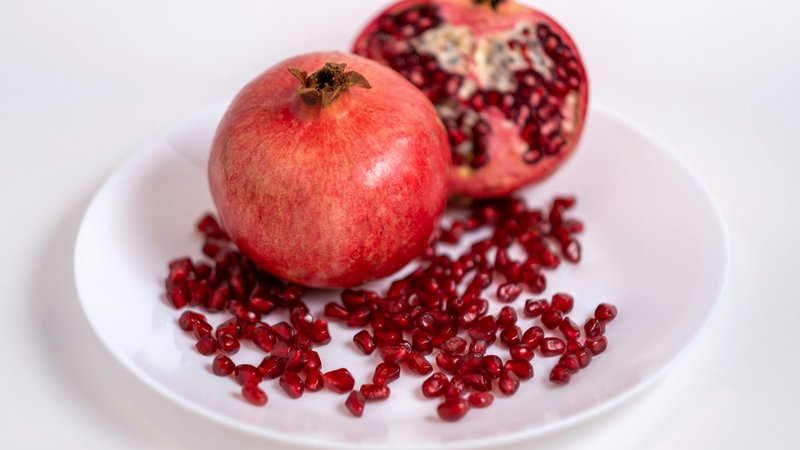
Pomegranate is celebrated as one of the most antioxidant-rich fruits on the planet. But when your dog eyes that ruby-red fruit on your counter, it’s worth pausing before you share.
The short answer is: pomegranate is not considered safe for dogs to eat in its whole, raw form. While it isn’t classified as severely toxic like grapes or xylitol, it can cause real problems for your dog’s digestive system.
Pomegranate Safety for Dogs: What Pet Owners Need to Know
Pomegranate contains compounds called tannins and ellagic acid. These naturally occurring substances are beneficial for humans but can be difficult for dogs to process.
Most veterinary professionals advise against feeding fresh pomegranate to dogs. The fruit’s seeds, rind, and juice all carry a risk of triggering gastrointestinal distress.
If your dog accidentally eats a few arils, it’s unlikely to be a life-threatening emergency. However, repeated or large-quantity exposure is a different matter entirely.
Nutritional Benefits and Potential Risks of Pomegranate
Pomegranate is genuinely packed with vitamins C and K, folate, and powerful antioxidants. Pomegranate’s health properties have been extensively studied in human medicine, showing benefits for heart health, inflammation, and immune function.
For dogs, however, those same compounds don’t translate as cleanly. The tannins in pomegranate are known to interfere with protein digestion and can irritate the gastrointestinal lining in canines.
Research has explored pomegranate’s antioxidant potential in dogs more specifically. A study on pomegranate peel extract in dogs found it could influence antioxidant status, but this was under controlled supplementation — not casual feeding of raw fruit.
Digestive Issues and Side Effects in Dogs
The most common reaction dogs have to pomegranate is vomiting and diarrhea. These symptoms can appear within a few hours of ingestion.
Some dogs may also experience abdominal pain, lethargy, or a noticeable loss of appetite. Smaller dogs tend to be more vulnerable to these effects than larger breeds.
The rind poses an additional choking hazard and is even harder for dogs to digest than the arils. It should always be kept well out of reach. If you’re ever unsure about a potential ingestion, the Pet Poison Helpline is a reliable resource for immediate guidance.
Safe Consumption Guidelines and Portion Control
The safest approach is simply to avoid feeding fresh pomegranate to your dog altogether. There are plenty of other fruits — like blueberries or watermelon — that deliver antioxidants without the digestive risk.
If your dog has already eaten a small amount, monitor them closely for the next 12 to 24 hours. Watch for vomiting, loose stools, or signs of abdominal discomfort.
Just as you’d carefully consider other additions to your dog’s diet — like exploring the benefits of chia seeds for dogs — any new food should be introduced thoughtfully and with veterinary input.
Pomegranate Extract Products vs. Fresh Fruit
This is where the conversation becomes more nuanced. Certain veterinary-formulated supplements do contain pomegranate extract as an ingredient.
These products are processed to remove or reduce the compounds that cause digestive upset. They are designed with canine physiology in mind, which makes them a very different proposition from raw fruit.
Never assume that a supplement-grade ingredient is safe to replicate by feeding the whole food version. Always check with your vet before introducing any pomegranate-based product into your dog’s routine.
When to Contact Your Veterinarian
You should contact your veterinarian promptly if your dog has eaten a large quantity of pomegranate, consumed the rind, or is showing symptoms like persistent vomiting or bloody stool.
Dogs with pre-existing kidney, liver, or gastrointestinal conditions are at higher risk and warrant an immediate call to your vet — even after a small amount.
Age also plays a role in how a dog handles new foods. Adult and senior dogs have different digestive sensitivities than puppies, and both groups can react unpredictably to novel ingredients like pomegranate.
When in doubt, always err on the side of caution. Your veterinarian is your best partner in making sure every food choice supports your dog’s long-term health and wellbeing.