

Finding a welcoming coastal spot for your furry friend is becoming increasingly difficult across the United States. Many wealthy tourist towns that banned dogs from beaches have enacted these strict policies under the guise of environmental protection or public safety. Critics often argue these regulations serve as a quiet method to limit public access and maintain an exclusive atmosphere for affluent locals.
These upscale vacation destinations prohibiting pets typically enforce massive fines and heavy patrols during the peak summer season. Day visitors who rely on public access are disproportionately affected when they cannot bring their animals along. The resulting environment successfully deters the general public while keeping the pristine shores reserved for the local elite.
Palm Beach

This exceptionally wealthy enclave in Florida maintains incredibly strict regulations regarding canine access to its pristine sandy shores. Town officials have completely outlawed pets on all public beaches to preserve the pristine conditions expected by local billionaires.
Visitors attempting to bring their animals face immediate removal by beach patrols and potentially steep financial penalties. Activists point out that such rigid rules effectively discourage average families from visiting the area for a casual beach day.
East Hampton
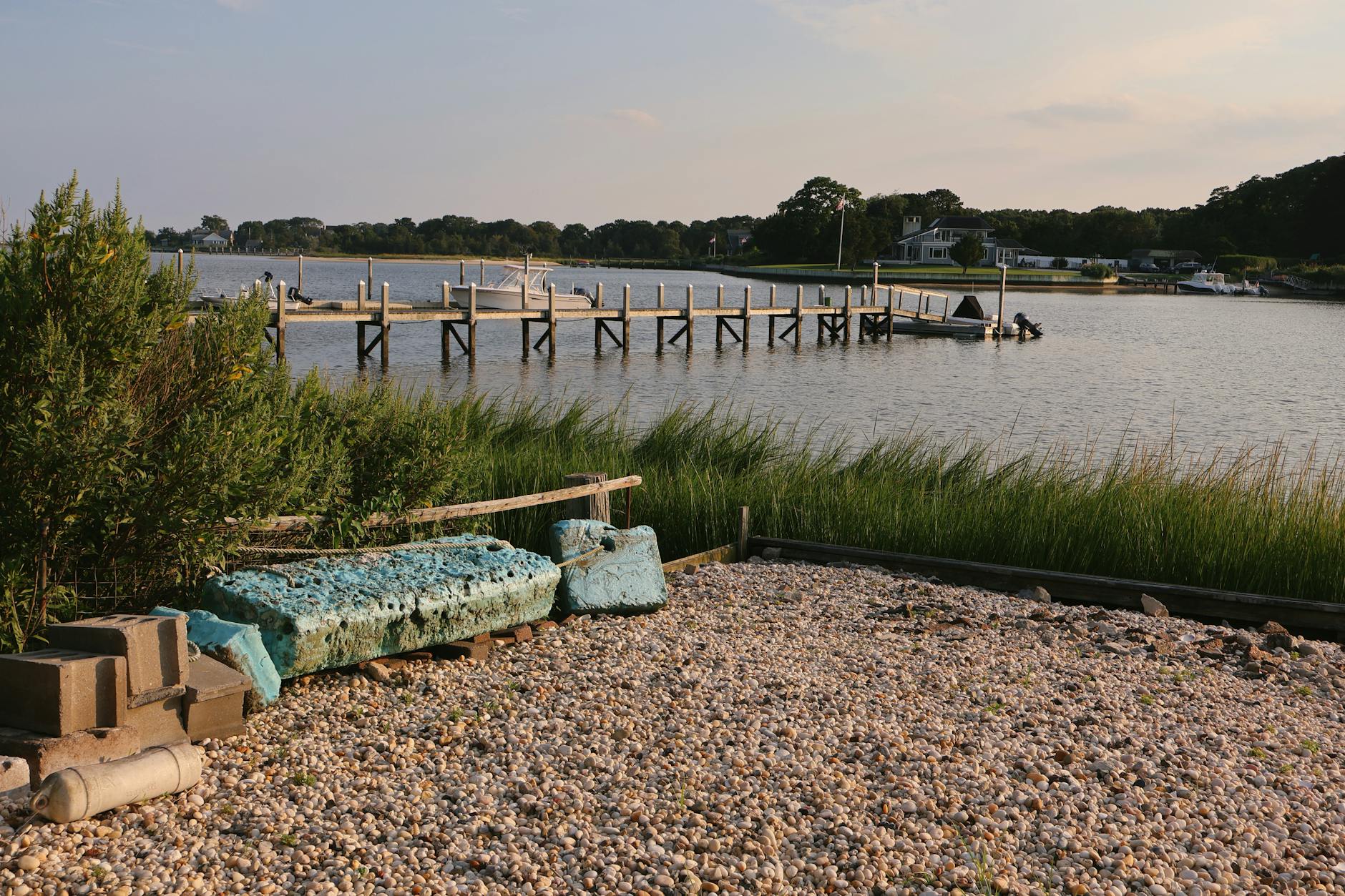
The famous New York summer retreat imposes severe restrictions on pet owners visiting the shoreline during the high season. Local authorities mandate that animals are entirely prohibited during daytime hours when most casual tourists would logically arrive.
This scheduling tactic ensures that only residents with permanent homes nearby can walk their animals during the early morning or late evening. Many outsiders feel this affluent coastal spot banning canines during prime hours intentionally curates a highly exclusive summer crowd.
Malibu
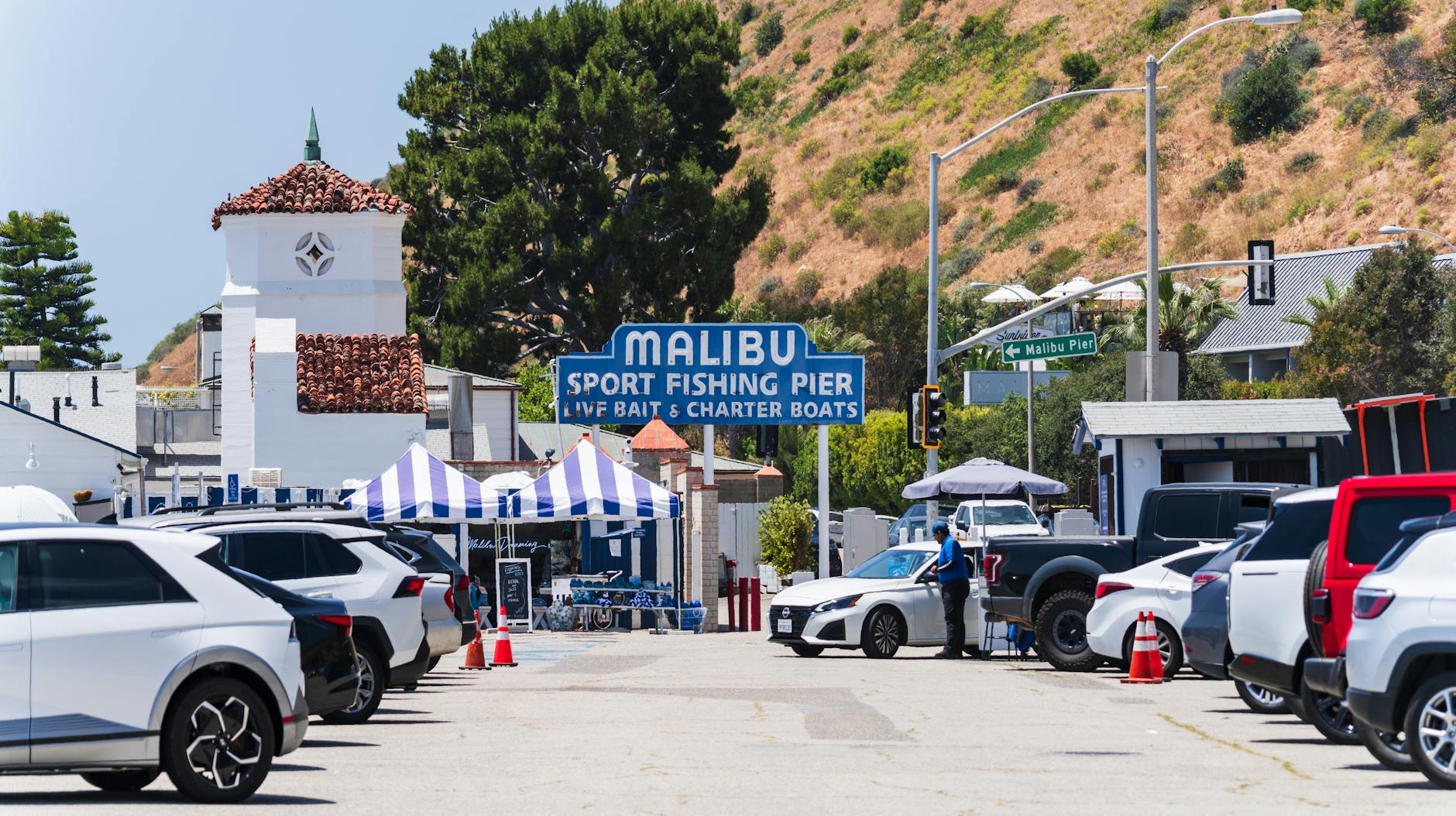
California law guarantees public access to the ocean but this famous coastal community heavily restricts where animals can set foot. Almost every public stretch of sand within the city limits strictly forbids pets at all times of the year.
Environmental protection is the official reason given for these uncompromising municipal codes affecting the shoreline. Observers frequently note how these bans perfectly align with the desires of celebrity homeowners who wish to keep public beaches as empty as possible.
Naples

Situated on the Gulf Coast this luxurious Florida destination completely forbids animals from touching the sand at any public access point. The local government enforces this total prohibition year round regardless of the tourist season or crowd sizes.
Pet owners must travel significant distances outside the city limits to find a welcoming stretch of ocean. The total exclusion of animals helps this rich vacation spot prohibiting pets maintain an incredibly quiet and heavily sanitized environment for its affluent retirees.
Newport
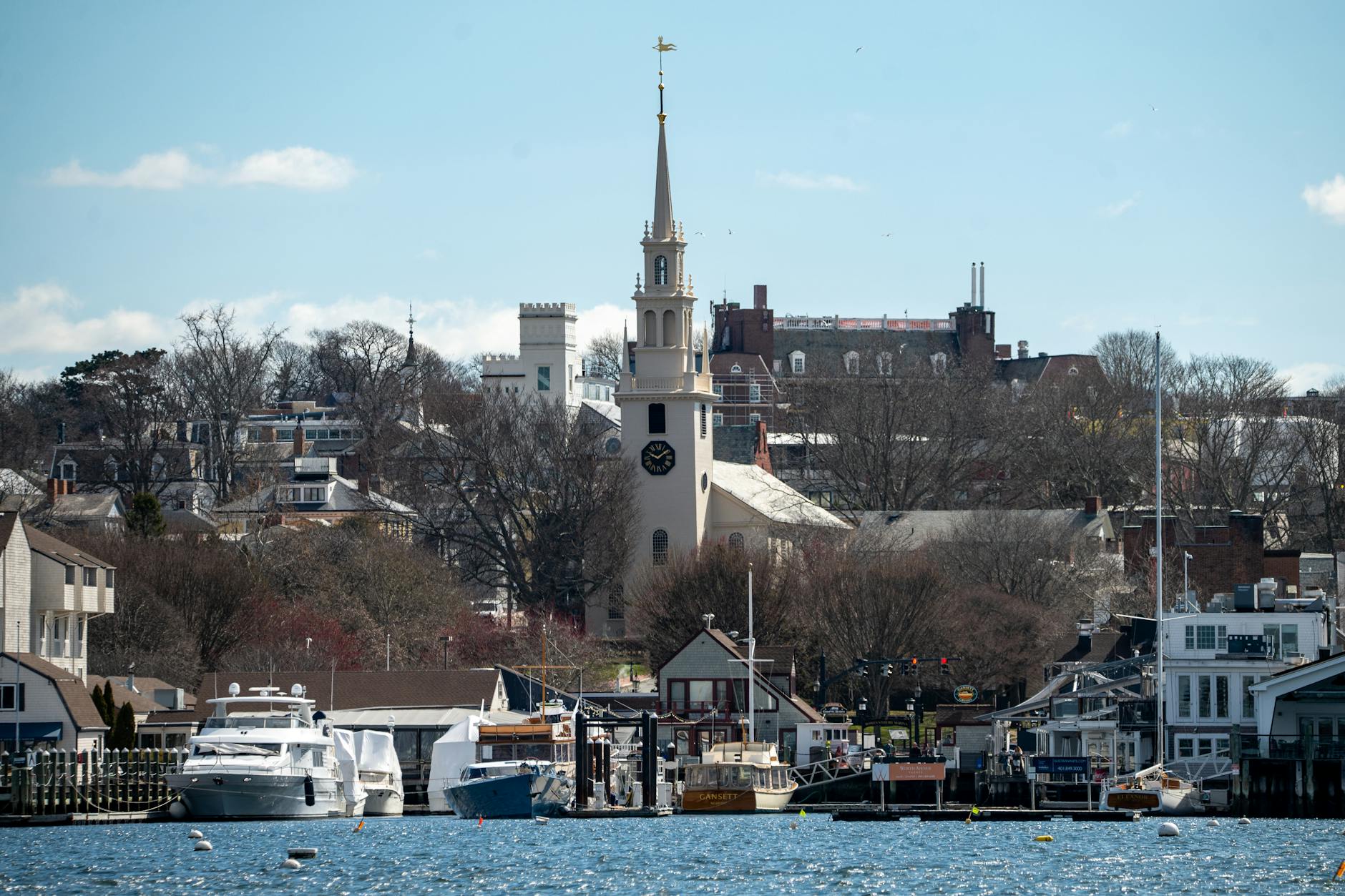
Famous for its historic mansions and yachting culture this Rhode Island city implements tight controls over its coastal access points. Animals are completely banned from the main public sands during the entirety of the busy summer tourist season.
Families traveling with pets are forced to either leave their animals at home or skip the destination entirely. This approach effectively filters out casual visitors and helps the municipality cater exclusively to high spending guests who prefer highly regulated environments.
Laguna Beach

This picturesque Southern California arts community strictly regulates pet access across its famous coves and public shores. During the peak summer months the city council entirely bans animals from the sand during all daylight hours.
The daytime prohibition creates a significant barrier for tourists who cannot afford overnight accommodations and must visit during the day. Critics suggest this exclusive oceanfront area restricting dogs intentionally limits the demographic of beachgoers who can comfortably enjoy the natural landscape.
Boca Raton
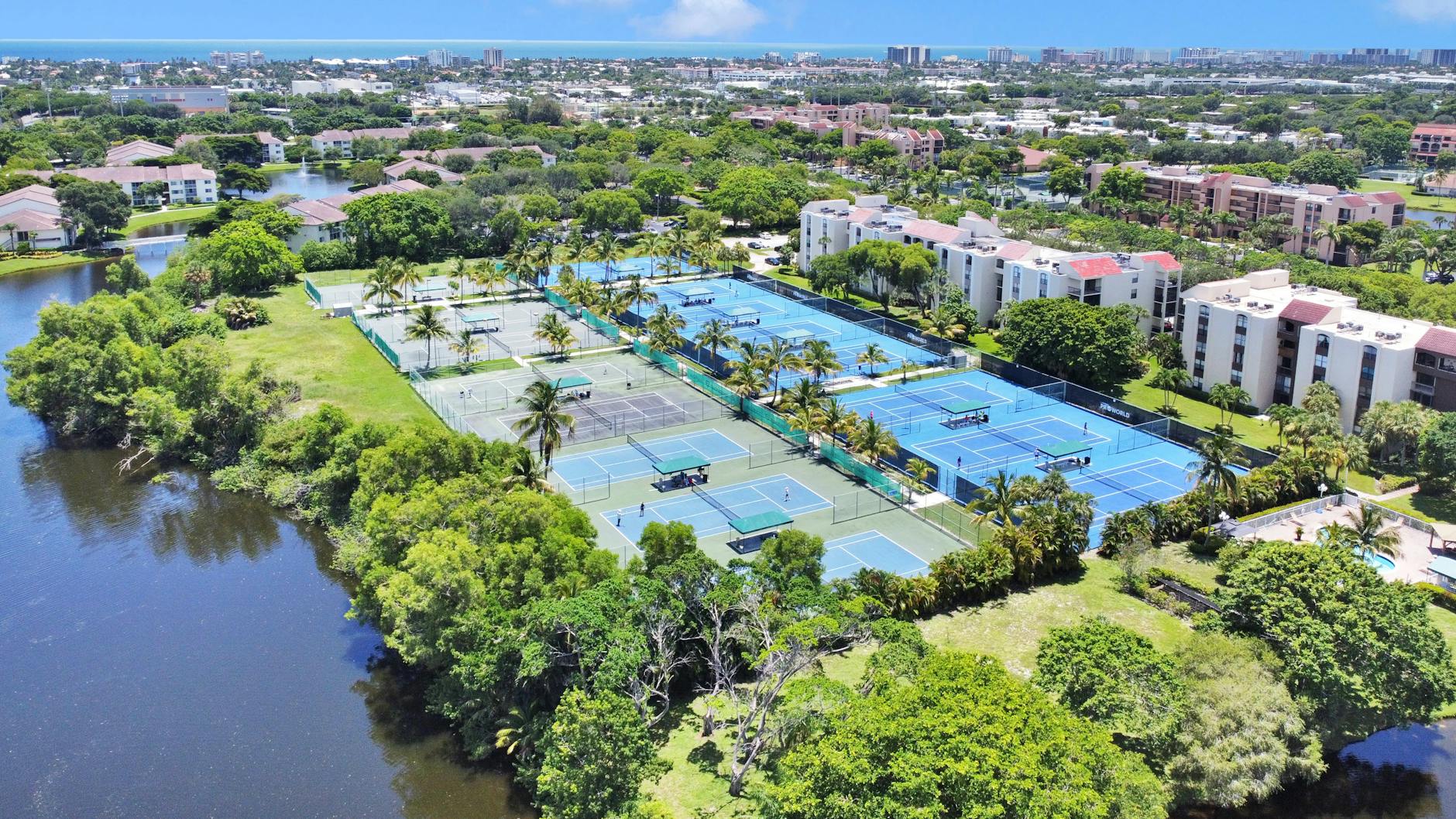
This heavily manicured Florida municipality refuses to allow animals on its public beaches under any circumstances. Local authorities have constructed a specialized dog park elsewhere but the actual shoreline remains strictly off limits to all pets.
The absolute ban on the beach ensures that the oceanfront remains a pristine sanctuary for wealthy residents and luxury resort guests. Outsiders frequently view these strict animal control measures as a quiet strategy to discourage average tourists from crowding the valuable waterfront.
Edgartown

Located on the affluent island of Martha’s Vineyard this historic whaling village restricts animal access to its beaches during the height of summer. The local regulations forbid pets entirely during the daytime hours when tourist traffic reaches its peak.
Visitors arriving by ferry for a single day trip find themselves completely unable to enjoy the shoreline with their animals. This scheduling effectively functions as a deterrent that keeps the sandy expanses reserved for permanent summer residents and wealthy renters.
Kennebunkport

This elite Maine summer colony places severe restrictions on pet owners hoping to visit the local beaches. Municipal rules completely prohibit animals from stepping onto the sand between the early morning and late evening during the busy season.
The policy requires anyone traveling with a pet to find specialized care or avoid the oceanfront entirely. This wealthy enclave banning shore access for dogs ultimately curates a highly controlled environment that favors the desires of prominent local property owners.
Hilton Head Island
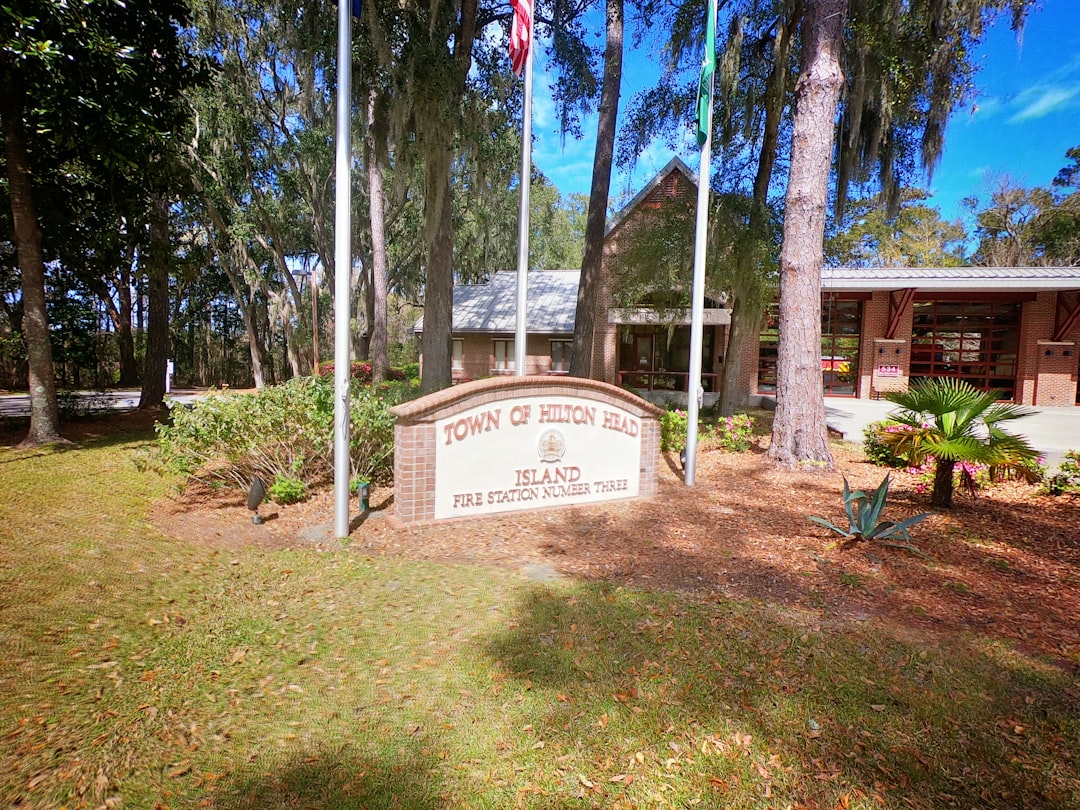
This upscale South Carolina resort destination tightly controls animal presence on its famously expansive beaches. The town implements strict daytime bans during the most popular vacation months of the year.
Day visitors who bring pets are systematically turned away from the shoreline by local enforcement officers. The policy perfectly serves the interests of the massive gated communities that dominate the island by minimizing the number of transient tourists on the sand.
Please share your thoughts on these restrictive beach policies in the comments.