

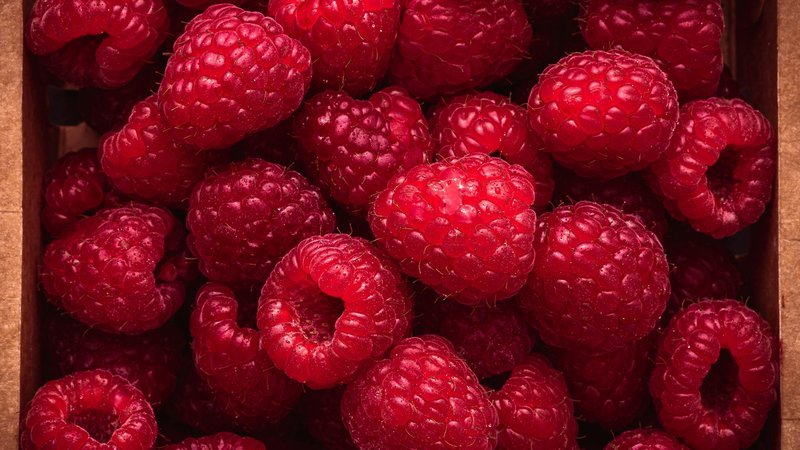
Raspberries are a popular summer fruit, and it’s natural to wonder whether sharing a few with your dog is safe. The good news is that raspberries are generally considered safe for dogs in moderation.
That said, there are a few important details every pet owner should understand before tossing their dog a handful. From serving sizes to preparation, getting it right matters.
Nutritional Benefits and Antioxidant Content
Raspberries are packed with nutrients that can genuinely support your dog’s health. They contain vitamin C, vitamin K, manganese, and a solid dose of dietary fiber.
The antioxidants in raspberries are particularly noteworthy. These compounds help fight oxidative stress, which is linked to inflammation and cellular aging in dogs.
Raspberries also have a relatively low sugar content compared to many other fruits. This makes them a smarter treat option for dogs who need to watch their caloric intake, such as less active or overweight dogs.
If you’re already exploring chia seeds for dogs as a nutritional supplement, adding raspberries to the mix can complement that approach nicely.
Understanding Xylitol Risks and Natural Raspberry Composition
One concern that frequently comes up is xylitol, a sugar alcohol that is highly toxic to dogs. Raspberries do contain trace amounts of naturally occurring xylitol.
However, naturally occurring xylitol levels in fruits like raspberries are extremely low — far below the threshold required to cause harm in a healthy dog eating a normal serving size.
This is very different from the concentrated xylitol found in sugar-free products, gum, and certain peanut butters. According to PetMD’s xylitol poisoning guide, it’s the artificial, high-concentration form of xylitol that poses a genuine danger to dogs.
As long as you’re feeding fresh, plain raspberries and not raspberry-flavored processed products, xylitol toxicity is not a realistic concern at appropriate serving sizes.
Safe Serving Sizes Based on Dog Weight and Age
Portion control is key when feeding any fruit to a dog. Treats of any kind, including fruit, should make up no more than 10% of a dog’s daily caloric intake, as advised by AKC nutrition experts.
For small dogs, one to three raspberries per day is a reasonable limit. Medium and large dogs can generally handle up to six raspberries without issue.
Age is also an important factor. Senior dogs often have more sensitive digestive systems and may be managing conditions like diabetes or kidney disease. Small breeds may not reach senior status until 8–10 years, while large breeds often enter their senior years around 6–7 years — so understanding your dog’s life stage matters when adjusting their diet.
Preparation Methods and Foods to Avoid
Always serve raspberries fresh and plain. Wash them thoroughly to remove any pesticide residue before offering them to your dog.
Avoid raspberry-flavored yogurts, jams, syrups, or baked goods. These products frequently contain added sugars, artificial sweeteners, or other ingredients that are unsafe for dogs.
Frozen raspberries can also be a refreshing treat, especially in warmer months. Just make sure they are plain frozen raspberries with no added sugar or flavoring.
Digestive Considerations and Health Conditions
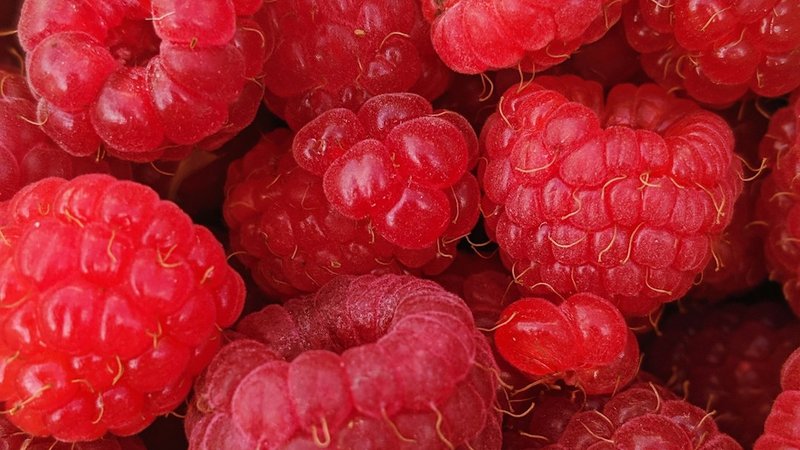
Because raspberries are high in fiber, feeding too many at once can cause loose stools or mild gastrointestinal upset. This is especially true for dogs who aren’t used to eating fruit regularly.
Introduce raspberries slowly and watch for signs of digestive discomfort, including bloating, gas, or changes in stool consistency. If any symptoms appear, simply reduce the amount or discontinue feeding them.
Dogs with specific health conditions — particularly diabetes, kidney disease, or obesity — should only receive raspberries after consulting a veterinarian. The natural sugars and mineral content, while low, can still be relevant for dogs managing these conditions.
Breed-specific health factors can also play a role in dietary decisions. Certain breeds carry inherited breed-specific health risks that may influence how their bodies process certain foods, making a vet consultation even more valuable for tailored dietary advice.
For most healthy dogs, a few fresh raspberries make a perfectly safe and genuinely nutritious treat. Keep portions sensible, stick to plain fresh fruit, and your dog can enjoy raspberries without worry.