

That fluffy dollop of whipped cream looks harmless enough, and your dog’s eager eyes make it even harder to resist sharing. But before you let them lick the spoon, there are some important things every dog owner needs to know.
The short answer is that dogs can technically eat whipped cream without immediately dropping to the floor. The longer answer is far more nuanced — and the details genuinely matter for your dog’s wellbeing.
Understanding Whipped Cream Ingredients and Hidden Risks
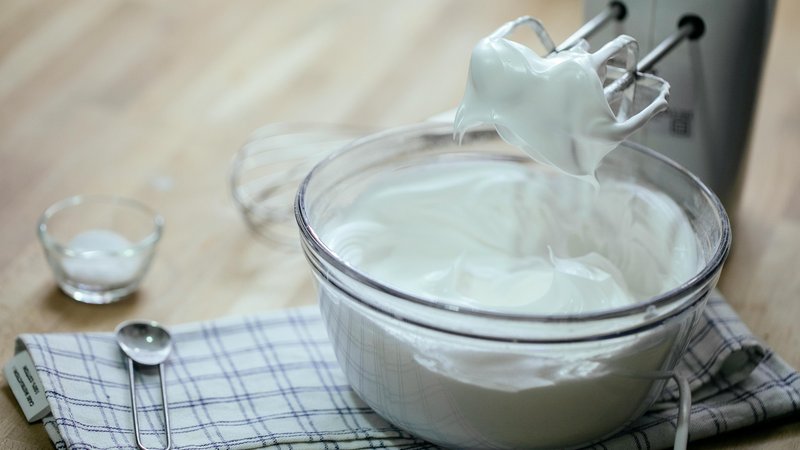
Standard whipped cream is made from heavy cream, sugar, and often artificial flavorings. While none of those ingredients sound alarming at first glance, they add up to a treat that offers your dog absolutely nothing of value.
According to veterinary nutrition experts, whipped cream provides no nutritional value, is high in fat and sugar, and can cause digestive issues even in small amounts. That combination alone is reason enough to think twice.
Flavored varieties carry extra risks. Whipped cream made with vanilla bean paste, for example, can trigger mild digestive upset including vomiting or diarrhea, as noted by veterinary health professionals who regularly assess these cases.
Lactose Intolerance and Digestive Concerns in Dogs
Many dogs are lactose intolerant to some degree. Unlike puppies, adult dogs produce significantly less lactase — the enzyme needed to properly digest dairy products.
When a lactose-intolerant dog consumes whipped cream, the undigested lactose ferments in the gut. This can lead to bloating, gas, loose stools, and stomach cramping that leaves your dog visibly uncomfortable.
Mixed breed dogs may be especially prone to digestive upset or food sensitivities after ingesting dairy or flavor additives. Even dogs who seem to tolerate dairy occasionally can develop sensitivity over time with repeated exposure.
Xylitol Toxicity: The Critical Danger to Avoid
This is where things move from “probably fine in moderation” to genuinely dangerous. Some whipped cream products — particularly sugar-free or low-calorie varieties — contain xylitol as a sweetener.
Xylitol is extremely toxic to dogs. Even small amounts can cause a rapid drop in blood sugar, liver failure, and in severe cases, death. The VCA Animal Hospitals xylitol toxicity guide outlines exactly how quickly this compound can cause irreversible harm.
Always read the ingredient label of any whipped cream product before letting your dog near it. Never assume a product is xylitol-free simply because it looks like a standard brand.
Safe Portions and Age-Specific Guidelines for Different Dogs
If the whipped cream contains no xylitol and your dog is not lactose intolerant, a very small occasional lick is unlikely to cause serious harm. The key word here is occasional — not weekly, and certainly not daily.
Portion size matters enormously and should scale with your dog’s size and life stage. A senior dog with a slower metabolism and potentially compromised organ function faces greater risks from high-fat treats than a healthy young adult dog. Understanding how dog life stages differ by size and breed helps you make smarter feeding decisions at every age.
Puppies should avoid whipped cream entirely. Their digestive systems are still developing, and introducing high-fat dairy early can set the stage for lasting sensitivities.

Healthier Alternatives to Satisfy Your Dog’s Cravings
Your dog’s love of creamy, rich textures doesn’t have to go unsatisfied. There are genuinely nutritious options that deliver the indulgence without the risks.
Plain, unsweetened Greek yogurt with live cultures is one of the most popular dairy-based alternatives. It contains less lactose than cream and provides beneficial probiotics that support gut health.
For a completely dairy-free option, a small spoonful of plain pureed pumpkin or mashed banana delivers natural sweetness dogs love. If you want to explore more nutritious additions to your dog’s diet, chia seeds for dogs offer omega-3 fatty acids and fiber that genuinely support their health.
Frozen treats made from diluted low-sodium broth or blended dog-safe fruits are another crowd-pleaser, especially during warmer months. These options give dogs the sensory satisfaction of a special treat without putting their digestive system under unnecessary stress.
The bottom line is straightforward: whipped cream is not poisonous in tiny amounts for most healthy adult dogs, but it brings no benefits and carries real risks. Choosing smarter alternatives is always the better call — and your dog will be just as happy with something that actually supports their health.