










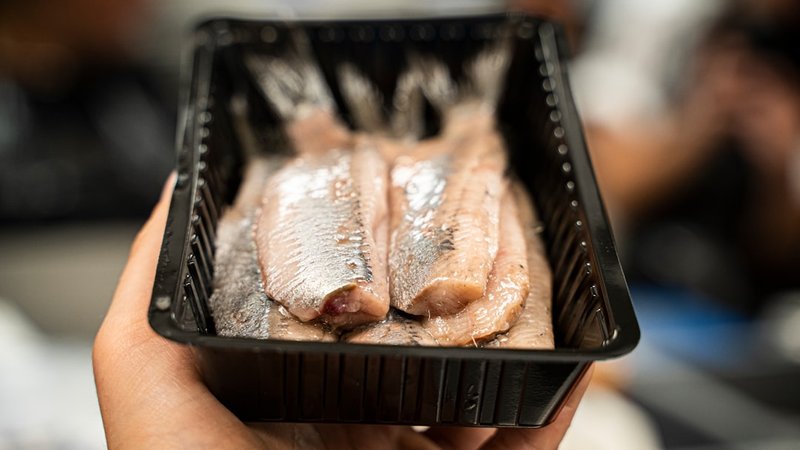
Herring is a small, oily fish packed with nutrients, and many dog owners are curious whether it belongs in their pet’s bowl. The short answer is yes — dogs can eat herring, but there are important guidelines to follow.
Understanding both the benefits and the risks will help you make the best decision for your dog’s health and diet.
Nutritional Benefits of Herring for Dogs
Herring is an excellent source of Omega-3 fatty acids, which support a dog’s skin, coat, joints, and immune system. These healthy fats are one of the primary reasons fish is recommended as part of a balanced canine diet.
According to nutritional data on fish for dogs, raw herring contains 10.7 grams of fat per 100 grams, making it a moderately fatty fish with meaningful Omega-3 content. This places it comfortably among the beneficial oily fish options available to pet owners.
Herring also provides high-quality protein, B vitamins, vitamin D, and selenium. These nutrients collectively support muscle development, energy metabolism, and overall cellular health in dogs.
Safe Preparation Methods and Portion Guidelines
The safest way to serve herring to your dog is cooked, plain, and boneless. Cooking eliminates harmful bacteria and neutralizes the enzyme thiaminase, which is a concern with raw fish.
Avoid herring that is pickled, smoked, or packed in oil with added salt or seasonings. These preparations contain ingredients that are harmful to dogs and can cause sodium toxicity or gastrointestinal upset.
Portion size matters. Herring should be offered as a supplement or treat rather than a dietary staple. For most dogs, a few small pieces a few times per week is a reasonable starting point, adjusted for your dog’s size and overall diet.

Potential Health Risks and Thiaminase Concerns
One of the most important risks associated with raw herring is its thiaminase content. Thiaminase is an enzyme that destroys thiamin, also known as Vitamin B1, which is essential for neurological function in dogs.
Experts advise avoiding feeding too much carp, smelt, herring, and catfish in raw form, as these fish contain an enzyme that binds Thiamin, potentially leading to deficiency over time. This is especially relevant for dogs on raw diets where fish makes up a large portion of their meals.
Research confirms that thiaminase-induced thiamin deficiency has been documented in mink and foxes fed large amounts of raw fish. While dogs are not as sensitive, the risk is real when raw herring is fed in excess over a prolonged period.
Cooking herring thoroughly before serving eliminates thiaminase entirely, making it a much safer option for regular inclusion in your dog’s diet.
Herring Compared to Other Fish Options
Herring holds its own well against other popular fish choices for dogs. It is lower in mercury than larger fish like tuna, making it a safer long-term option for regular feeding.
If you are exploring a wider variety of fish for your dog, a helpful resource covers the best fish for dogs — including safe options and their specific health benefits. Herring consistently ranks among the top choices due to its size, fat profile, and low mercury levels.
For those feeding a raw diet, feeding fish to raw fed dogs requires careful rotation and variety to prevent nutritional imbalances, particularly around thiaminase-containing species like herring.
Introduction and Digestive Tolerance
If your dog has never eaten herring before, introduce it gradually. Start with a very small amount and monitor for any signs of digestive upset, including loose stools, vomiting, or excessive gas.
Some dogs have sensitive stomachs and may need more time to adjust to oily fish. Patience during the introduction phase helps prevent unnecessary discomfort.
Dogs with existing health conditions, particularly those involving the liver, kidneys, or thyroid, should only be given herring under veterinary guidance. Always consult your vet before making significant changes to your dog’s diet.
When served correctly — cooked, plain, and in appropriate portions — herring is a genuinely nutritious addition to your dog’s meal plan that supports long-term health and vitality.