







Anchovies are small, oily fish packed with nutrients that many pet owners wonder about sharing with their dogs. The short answer is yes — dogs can eat anchovies, but there are important guidelines to follow first.
Understanding which types are safe, how much to serve, and what to avoid can make all the difference for your dog’s health and wellbeing.
Nutritional Benefits of Anchovies for Dogs
Anchovies are a surprisingly powerful nutritional addition to a dog’s diet. They are rich in protein, calcium, and healthy fats that support everything from muscle function to coat health.
One of their standout qualities is their high omega-3 fatty acid content. According to the National Institutes of Health, the omega-3 content of fish varies widely, making small oily fish like anchovies among the most concentrated sources available.
Omega-3s are known to support joint health, reduce inflammation, and promote a shiny coat in dogs. For aging dogs or breeds prone to joint issues, this benefit alone makes anchovies worth considering.
If you’re exploring other fish options for your dog, the best fish for dogs to eat covers a wide range of safe and nutritious choices beyond anchovies.
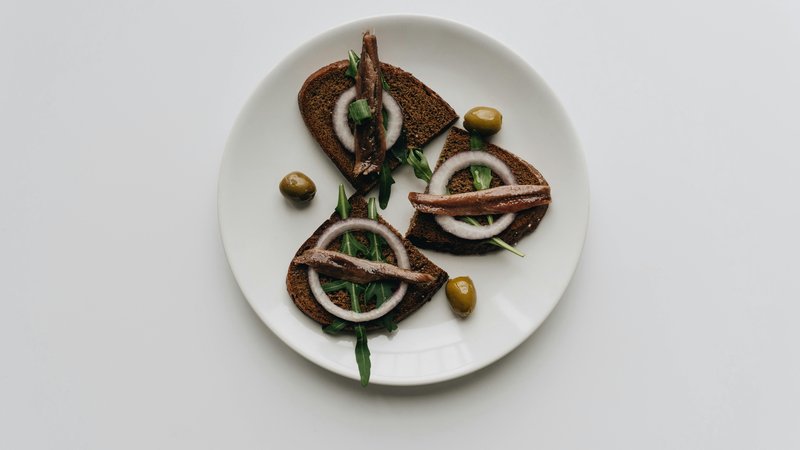
Safe Anchovy Types and Preparation Methods
The safest anchovies for dogs are those packed in water with no added salt or seasonings. Fresh or frozen anchovies that have been lightly cooked are also excellent options.
Always check ingredient labels carefully. Plain, unseasoned anchovies are what you’re looking for — nothing more, nothing less.
Anchovy Varieties to Avoid
Not all anchovies are created equal when it comes to dogs. Anchovies packed in oil, heavily salted, or marinated with garlic and spices should be kept far away from your dog’s bowl.
High sodium intake can lead to salt toxicity in dogs, causing symptoms like excessive thirst, vomiting, and in severe cases, neurological issues. Garlic is also toxic to dogs and should never be present in any form.
Canned anchovies designed for human consumption often contain preservatives and additives that are not appropriate for dogs. Always read the label before sharing.
Appropriate Serving Sizes by Dog Weight
Portion control matters when introducing any new food. For small dogs under 20 pounds, one anchovy per serving is typically sufficient. Medium dogs between 20 and 50 pounds can handle two to three anchovies at a time.
Larger dogs over 50 pounds may enjoy up to four or five anchovies per serving. Regardless of size, anchovies should be treated as an occasional treat rather than a daily staple.
Introducing anchovies slowly and in small amounts helps your dog’s digestive system adjust without any stomach upset.
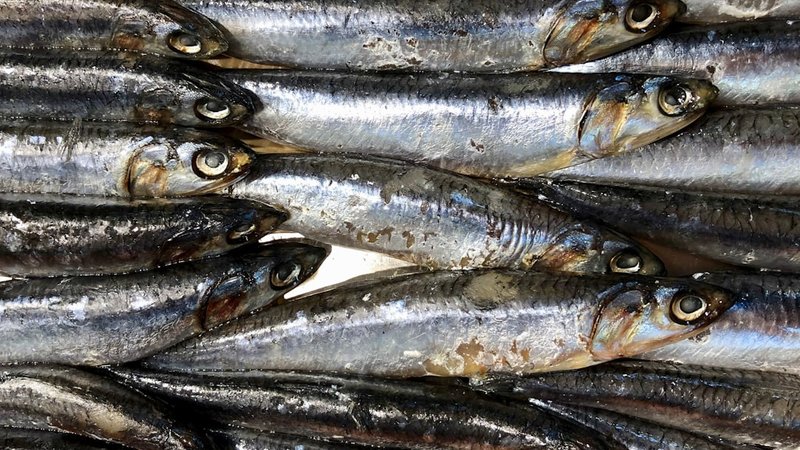
Allergies, Sensitivities, and Health Considerations
While anchovies are generally safe, not every dog will respond the same way. Some dogs may have individual sensitivities or allergies to fish, which can manifest as itching, digestive upset, or skin reactions.
If your dog has never eaten fish before, start with a very small amount and monitor for any adverse reactions over the following 24 to 48 hours.
One concern many owners have about fish is mercury exposure. Fortunately, research published in Marine Pollution Bulletin found low mercury levels in anchovies, with selenium-to-mercury ratios suggesting that selenium may actually help mitigate mercury’s toxic effects.
This makes anchovies one of the lower-risk fish options when it comes to heavy metal exposure. Still, moderation remains key to keeping any potential risks minimal.
Dogs with existing kidney disease, heart conditions, or those on sodium-restricted diets should only eat anchovies under direct veterinary guidance. When in doubt, a quick call to your vet is always the right move before adding any new food to your dog’s routine.
For dogs who enjoy fish as part of a varied diet, tuna in spring water is another fish-based option worth understanding before serving.