







Finding the right balance between protection and gentleness is every family’s goal when choosing a dog. According to Merriam-Webster, a guard dog is one kept to guard property — but the best family guard dogs do far more than protect a perimeter. They become loyal companions, patient playmates, and devoted members of the household.
Not every powerful breed is automatically safe around children, and not every gentle giant lacks protective instincts. The breeds on this list strike that rare balance. Whether you live in a sprawling home or a modest yard, research shows that dog ownership shapes household social dynamics in meaningful ways — especially for children growing up alongside a well-trained dog. Read on to discover all 17 guard dog breeds that are good with kids, with everything you need to make an informed choice.
1. German Shepherd
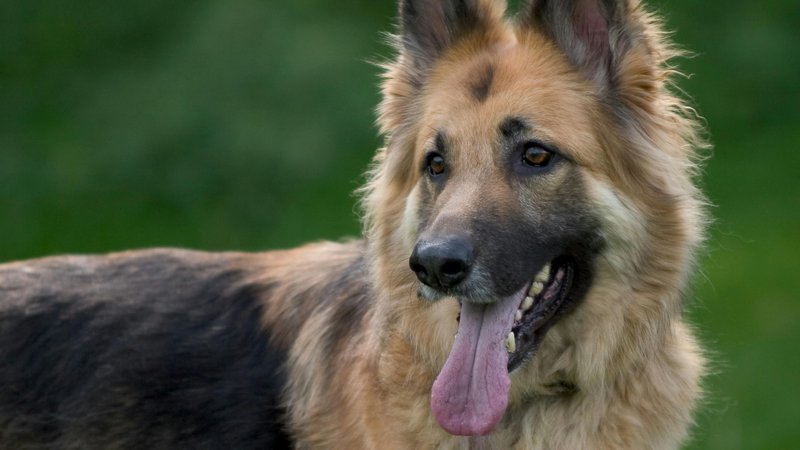
The German Shepherd is one of the most recognized and trusted working breeds in the world. Highly intelligent and deeply loyal, this breed forms powerful bonds with children and will instinctively position itself between its family and any perceived threat. Early socialization is key to channeling their protective drive appropriately.
- Key Specs: 50–90 lbs, 7–10 year lifespan, high energy, double coat
- Pros: Highly trainable, loyal, excellent with kids, versatile working dog
- Cons: Sheds heavily, needs significant daily exercise and mental stimulation
2. Golden Retriever
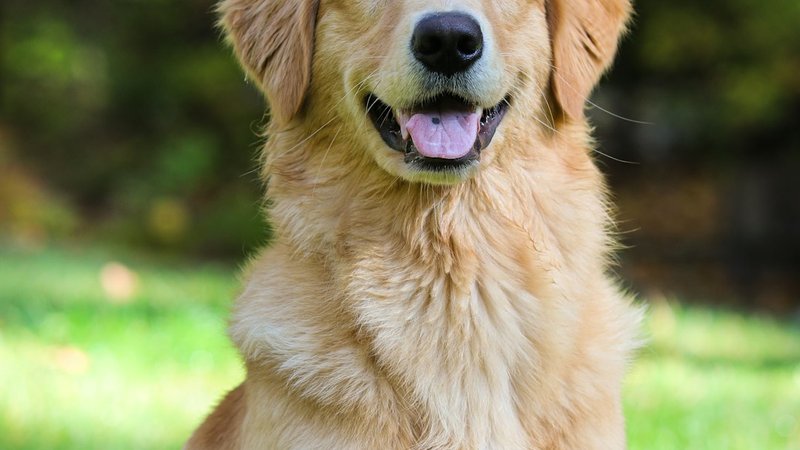
The Golden Retriever may surprise some as a guard dog candidate, but their alert nature, size, and deep loyalty make them effective deterrents. They are famously gentle with children of all ages. While they won’t typically attack, their bark and imposing presence can discourage unwanted visitors. Similar to Labradors, Goldens are naturally nurturing around babies and toddlers.
- Key Specs: 55–75 lbs, 10–12 year lifespan, high energy, dense double coat
- Pros: Exceptionally gentle, patient with kids, easy to train
- Cons: Too friendly to be a serious attack deterrent, heavy shedding
3. Labrador Retriever
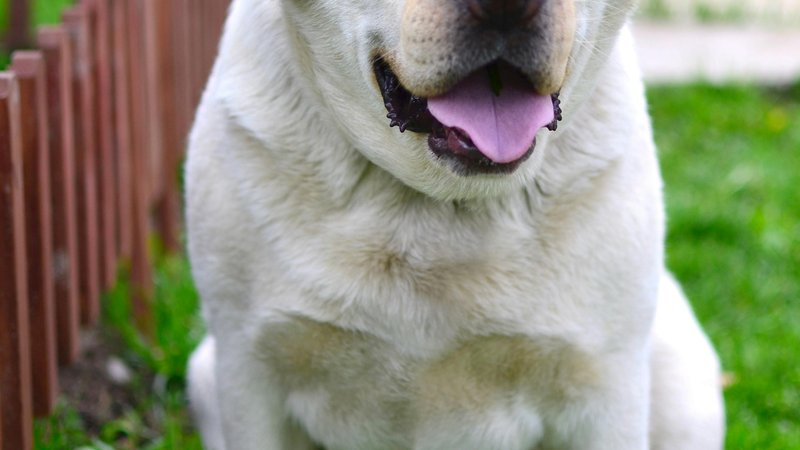
Consistently ranked among the most popular family dogs, the Labrador Retriever combines a warm temperament with alert watchdog instincts. Labs are energetic, affectionate, and highly responsive to training. Their size alone acts as a deterrent, while their love for children makes them trusted household companions day and night.
- Key Specs: 55–80 lbs, 10–12 year lifespan, high energy, short double coat
- Pros: Friendly, loyal, easy to train, excellent with young children
- Cons: Can be overly exuberant around small toddlers, prone to weight gain
4. Boxer

Boxers are playful, energetic, and fiercely devoted to their families. Originally bred as working dogs, they retain strong protective instincts while remaining endlessly patient with children. Their natural wariness of strangers makes them effective watchdogs, and their boundless energy means they thrive in active households with plenty of outdoor time.
- Key Specs: 50–80 lbs, 10–12 year lifespan, high energy, short coat
- Pros: Playful, protective, gentle with kids, low grooming needs
- Cons: Can knock over small children, sensitive to extreme heat
5. Rottweiler
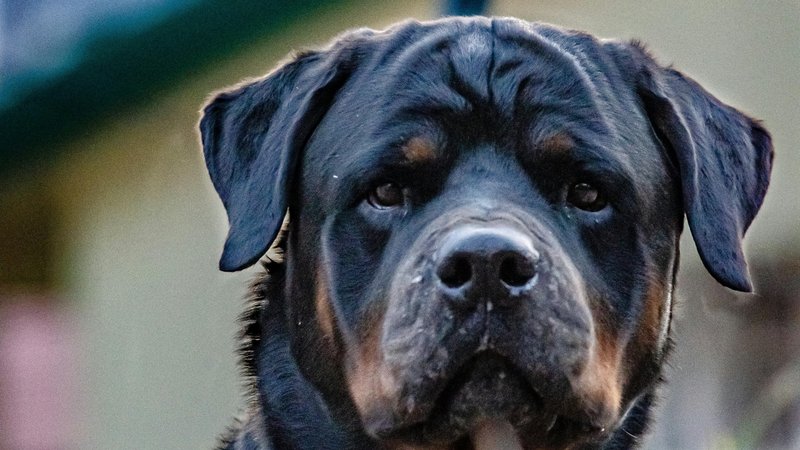
The Rottweiler is a powerful, confident breed with a natural guarding instinct that has been refined over centuries. When properly socialized from puppyhood, Rottweilers are calm, affectionate, and surprisingly gentle with children they know. Rottweiler puppies typically cost between $500 and $3,500 depending on lineage and training level.
- Key Specs: 80–135 lbs, 9–10 year lifespan, moderate energy, short dense coat
- Pros: Excellent guard dog, loyal, calm indoors, devoted to family
- Cons: Requires experienced handling, may be restricted by breed-specific legislation
6. Doberman Pinscher
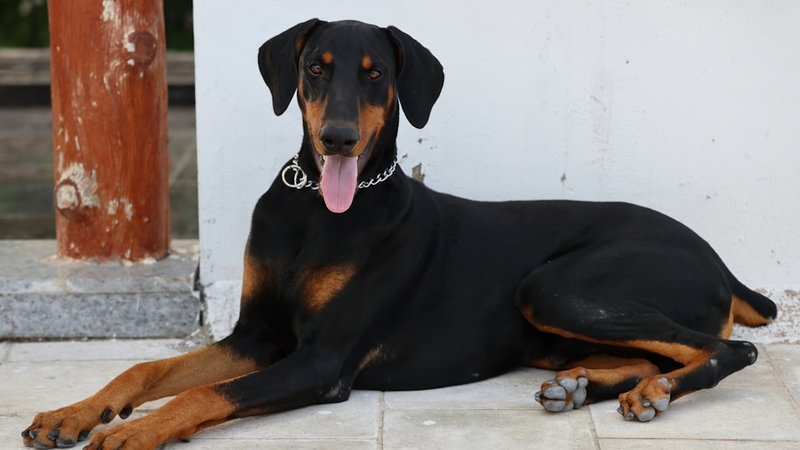
Sleek, alert, and intensely loyal, the Doberman Pinscher is one of the most effective personal protection breeds available. Despite their intimidating reputation, well-bred and properly trained Dobermans are affectionate family dogs that form deep bonds with children. They are always aware of their surroundings and respond quickly to perceived threats.
- Key Specs: 60–100 lbs, 10–13 year lifespan, high energy, short coat
- Pros: Highly intelligent, loyal, excellent guard instincts, low shedding
- Cons: Needs extensive socialization, not ideal for first-time owners
7. Bullmastiff
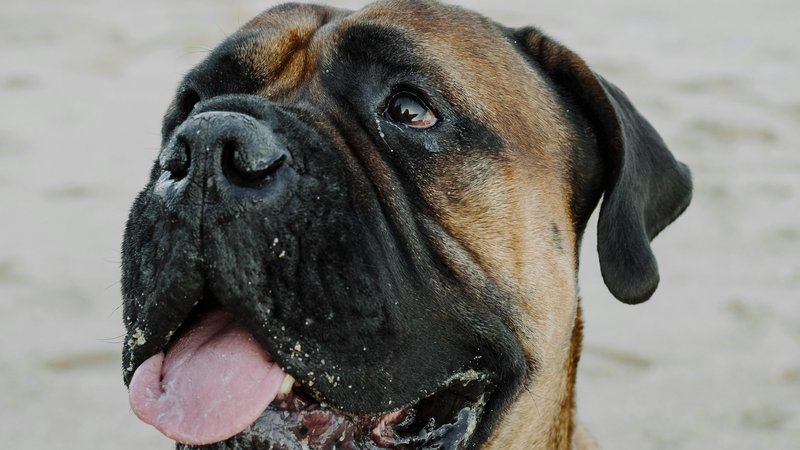
The Bullmastiff was originally bred to silently track and pin poachers without harming them — a trait that translates beautifully into family life. They are gentle giants who are devoted to their children and instinctively protective of the home. Their quiet confidence and sheer size make them natural deterrents without aggression.
- Key Specs: 100–130 lbs, 7–9 year lifespan, low-moderate energy, short coat
- Pros: Calm indoors, protective, gentle with kids, low exercise needs
- Cons: Short lifespan, prone to drooling, can be stubborn
8. Great Dane
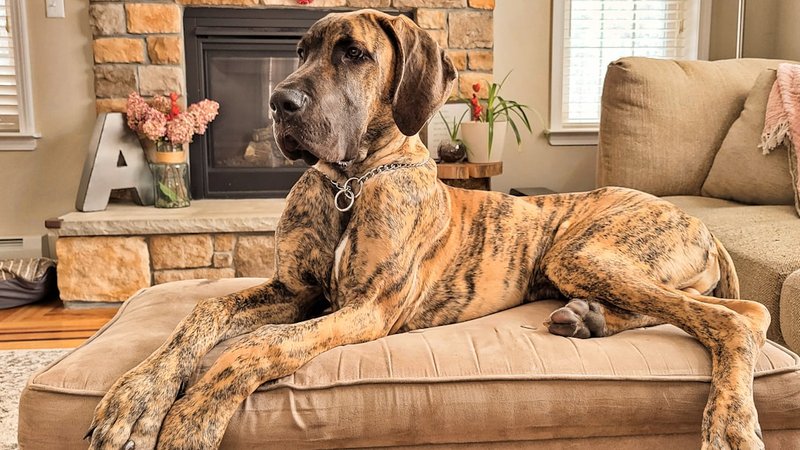
Great Danes are often called “gentle giants” for good reason. Despite their towering stature — one of the tallest of all dog breeds — they are affectionate, patient, and deeply loyal to their families. Their size alone deters intruders, and they will alert their household to anything unusual with a commanding, deep bark.
- Key Specs: 110–175 lbs, 7–10 year lifespan, moderate energy, short coat
- Pros: Gentle with children, imposing presence, loyal, relatively low-key indoors
- Cons: Short lifespan, high food costs, can accidentally knock over small kids
9. Belgian Malinois
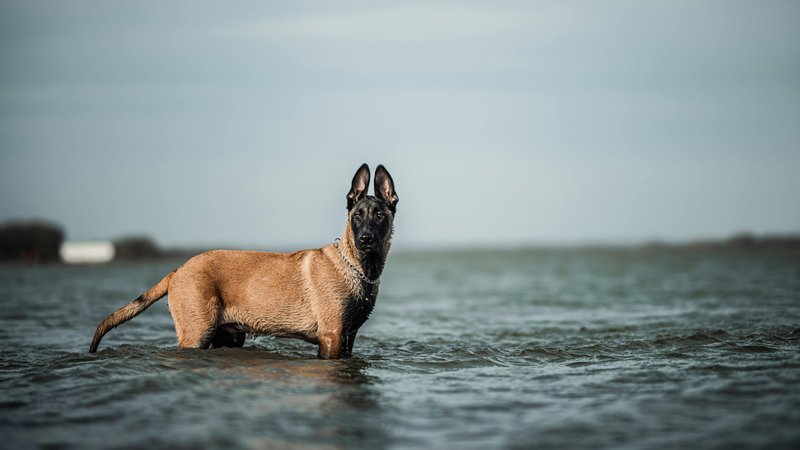
The Belgian Malinois is the breed of choice for military and law enforcement worldwide. Extremely driven and highly intelligent, they bond intensely with their handlers. In a family setting, they thrive with experienced owners who can meet their demanding exercise and training needs. Belgian Malinois adoption costs can start from $500, rising significantly for trained protection dogs.
- Key Specs: 40–80 lbs, 14–16 year lifespan, very high energy, short coat
- Pros: Elite protection instincts, highly trainable, long lifespan
- Cons: Not suitable for first-time owners, requires intense daily activity
10. Rhodesian Ridgeback
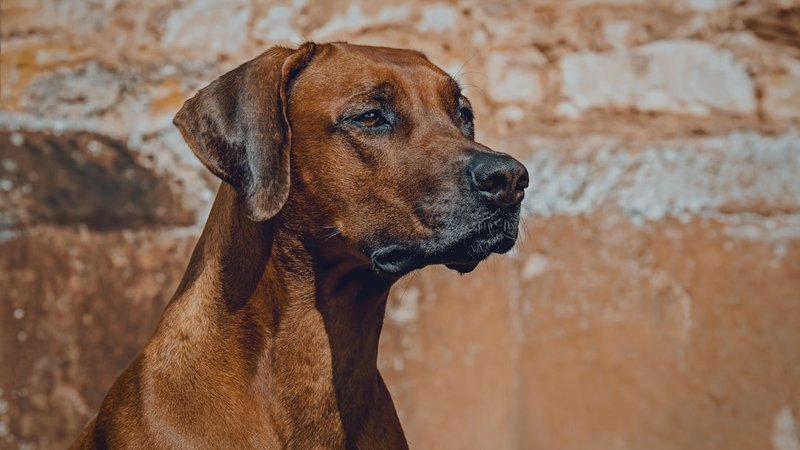
Originally bred to track lions in southern Africa, the Rhodesian Ridgeback is courageous, independent, and deeply loyal. With family, they are affectionate and gentle, especially with older children. Their natural aloofness toward strangers makes them effective watchdogs, and their athleticism means they keep up with even the most active kids.
- Key Specs: 70–85 lbs, 10–12 year lifespan, high energy, short coat
- Pros: Loyal, brave, low grooming needs, good with older children
- Cons: Independent streak makes training challenging, not ideal for toddlers
11. Akita
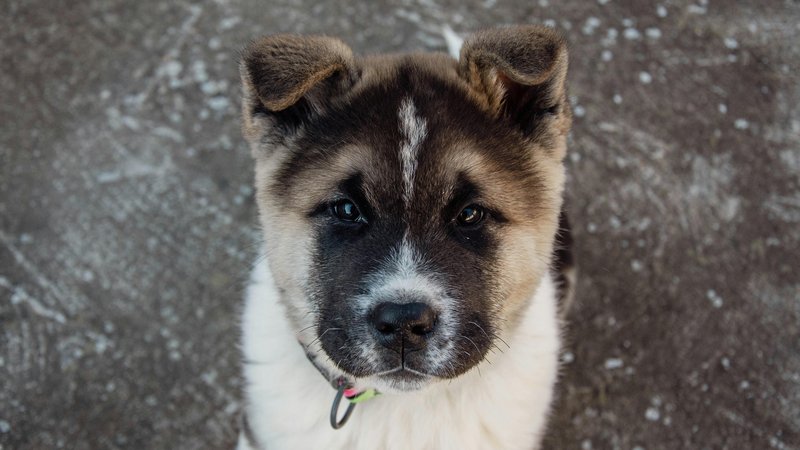
The Akita is a dignified, powerful Japanese breed known for unwavering loyalty to its family. They are naturally reserved with strangers and will not hesitate to protect their household. Akitas form profound bonds with the children they are raised with, though their dominant nature means consistent, experienced handling is essential from day one.
- Key Specs: 70–130 lbs, 10–13 year lifespan, moderate energy, thick double coat
- Pros: Fiercely loyal, brave, strong protective instincts, devoted to family
- Cons: Can be aggressive with other dogs, requires experienced owner
12. Siberian Husky
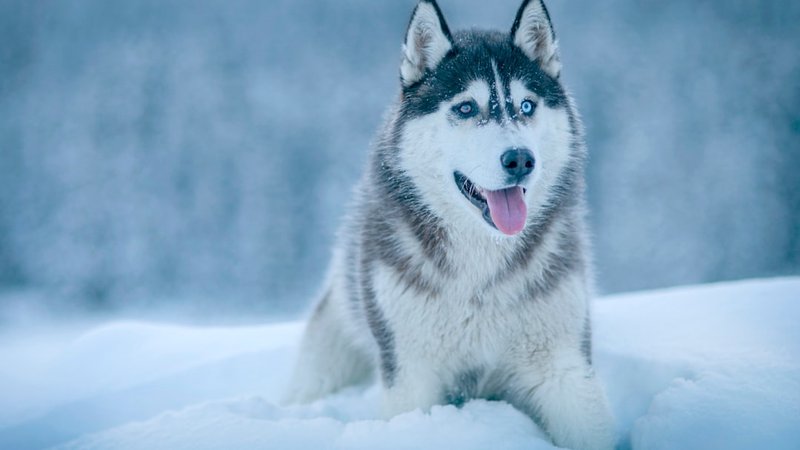
The Siberian Husky may not be a traditional guard dog, but their alert nature, vocal communication, and pack-oriented instincts make them surprisingly effective at raising alarms. They are extraordinarily gentle and playful with children, making them excellent family companions. Their high energy and love of activity pairs well with active families who spend time outdoors. If you’re curious about feeding your Husky well, check out the best fish options for dogs.
- Key Specs: 35–60 lbs, 12–14 year lifespan, very high energy, thick double coat
- Pros: Gentle with kids, alert, social, great stamina for active families
- Cons: Escape artist, not a reliable attack deterrent, heavy seasonal shedding
13. Giant Schnauzer
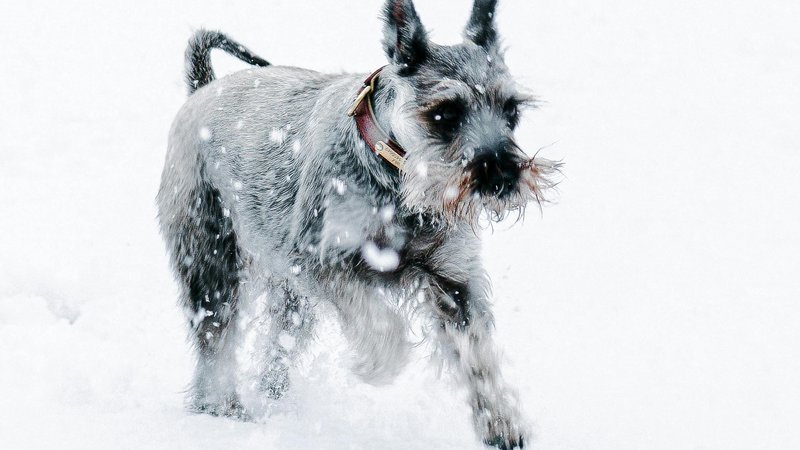
The Giant Schnauzer is a bold, intelligent, and highly trainable breed that excels in both protection work and family life. They are deeply loyal and form strong attachments to children in their household. Their natural suspicion of strangers and commanding presence make them formidable guard dogs, while consistent training brings out their affectionate side.
- Key Specs: 55–85 lbs, 12–15 year lifespan, high energy, wiry double coat
- Pros: Highly trainable, loyal, effective guard dog, long lifespan
- Cons: Requires regular grooming, needs experienced handler, high exercise demand
14. Anatolian Shepherd
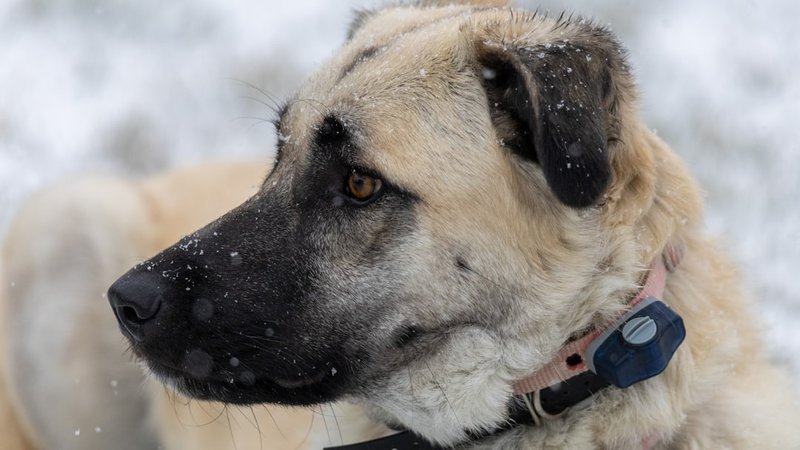
The Anatolian Shepherd is an ancient livestock guardian breed known for independent thinking and unwavering protectiveness. In a family setting, they are calm, devoted, and remarkably gentle with the children they consider part of their “flock.” Their instinct to patrol and protect is deeply ingrained, requiring a securely fenced yard and patient, consistent training.
- Key Specs: 80–150 lbs, 11–13 year lifespan, moderate energy, short to medium coat
- Pros: Natural guardian, calm indoors, devoted to family children
- Cons: Independent and stubborn, not ideal for apartment living
15. Bernese Mountain Dog
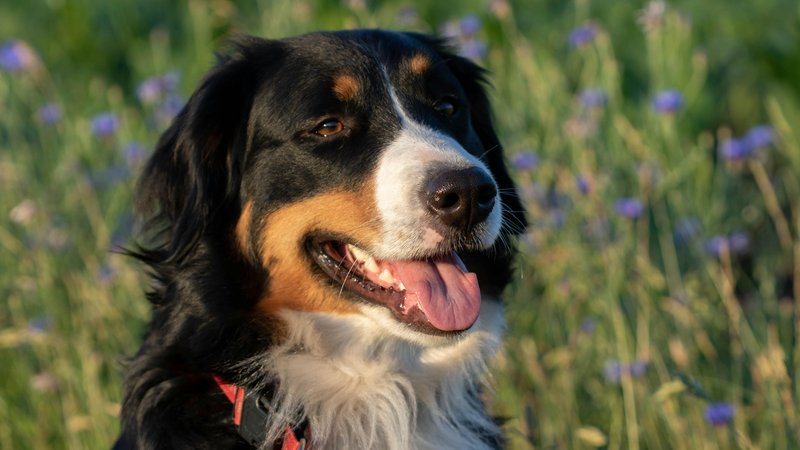
The Bernese Mountain Dog is a striking, tri-colored Swiss breed that combines a gentle temperament with a watchful nature. They are famously patient and affectionate with children, making them one of the most beloved family guard breeds. While not aggressive, their size and alert bark make them effective deterrents. Watch for signs your dog feels safe at home to ensure your Berner is thriving.
- Key Specs: 70–115 lbs, 7–10 year lifespan, moderate energy, long thick coat
- Pros: Gentle, loyal, excellent with kids, striking appearance
- Cons: Short lifespan, prone to hip dysplasia, heavy shedding
16. Cane Corso
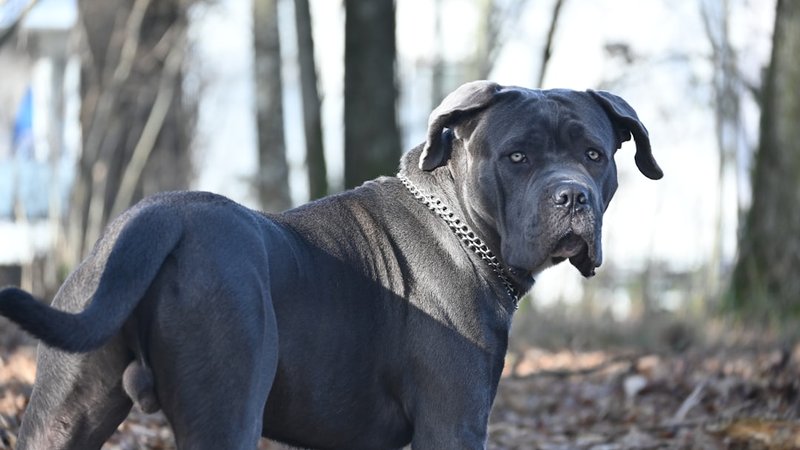
The Cane Corso is an ancient Italian mastiff breed bred specifically for personal protection and property guarding. Powerfully built and deeply loyal, they are surprisingly gentle and affectionate with their own family’s children. Their imposing appearance alone deters most threats. As experts note, choosing a breed like the Cane Corso means carefully considering your experience level and living space.
- Key Specs: 90–150 lbs, 9–12 year lifespan, moderate energy, short dense coat
- Pros: Powerful deterrent, loyal, calm with family children, low grooming
- Cons: Requires experienced owner, may face breed restrictions in some areas
17. Komondor
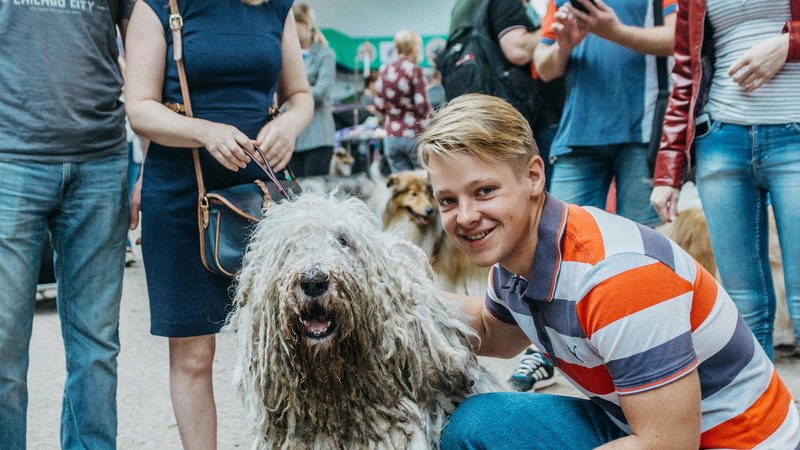
The Komondor is instantly recognizable by its extraordinary white corded coat, which historically protected it from both weather and predator bites. This Hungarian livestock guardian is fiercely protective, deeply loyal, and surprisingly gentle with the children it considers family. Their independence requires patient, consistent training from an experienced owner who respects their instincts.
- Key Specs: 80–100 lbs, 10–12 year lifespan, moderate energy, heavy corded coat
- Pros: Natural guardian, devoted to family, unique low-allergen coat
- Cons: Extensive coat maintenance, independent temperament, needs experienced handler
Guard Dog Breed Characteristics and Protective Instincts
Guard dogs share several core traits regardless of breed: territorial awareness, loyalty to their pack, alertness to environmental changes, and the willingness to place themselves between their family and danger. These instincts vary in intensity across breeds — from the Komondor’s ancient livestock guardian drive to the Doberman’s precision personal protection focus. Understanding these instincts helps families set realistic expectations.
Temperament and Personality Traits for Family Living
The best family guard dogs balance protectiveness with gentleness. Breeds like the Bernese Mountain Dog and Bullmastiff are naturally calm indoors, while breeds like the Belgian Malinois and Giant Schnauzer need significant mental stimulation to remain balanced. A dog that is anxious, under-stimulated, or poorly socialized can develop behavioral problems that undermine both safety and family harmony.
Socialization and Training Methods for Guard Dogs
Early socialization is non-negotiable for any guard breed living with children. Exposing puppies to a wide variety of people, environments, sounds, and situations during the critical developmental window — typically between 3 and 14 weeks — dramatically reduces the risk of fear-based aggression later in life. Structured guard dog training should always be layered on top of a solid obedience foundation, never used as a replacement for it.
Exercise Needs and Activity Levels by Breed
Exercise requirements vary dramatically across guard breeds. The Belgian Malinois and Siberian Husky demand two or more hours of vigorous activity daily, while the Bullmastiff and Great Dane are content with moderate daily walks. Matching a breed’s energy level to your family’s lifestyle is critical — an under-exercised guard dog can become destructive, anxious, or difficult to manage around children.
Health Considerations and Lifespan Expectations
Larger guard breeds tend to have shorter lifespans and higher rates of orthopedic conditions. The British Veterinary Association’s hip dysplasia scheme highlights how common joint issues are in working and guardian breeds. Breeds like the Bernese Mountain Dog and Great Dane may face serious health challenges, while the Belgian Malinois and Siberian Husky tend toward longer, healthier lives. Always request health clearances from reputable breeders.
Cost Comparison: Purchase Price and Training Investment
The financial commitment of owning a guard dog extends well beyond the purchase price. Breed costs range from $500 for adoption to $3,500 for trained puppies, with professionally trained protection dogs commanding significantly higher prices. Factor in obedience classes, professional protection training, veterinary care, food, and equipment when budgeting for a guard dog breed.
Apartment vs. House Suitability for Guard Breeds
Most guard dog breeds perform best in homes with secure, fenced yards where they can patrol and exercise freely. However, breeds like the Doberman Pinscher and Boxer can adapt well to apartment living when given sufficient daily exercise. Giant breeds like the Great Dane and Anatolian Shepherd require considerably more space and are generally poor fits for apartment environments, regardless of exercise levels.
Guard Dogs for First-Time Owners vs. Experienced Handlers
First-time dog owners should gravitate toward breeds with naturally stable, forgiving temperaments — the Golden Retriever, Labrador Retriever, and Boxer are excellent starting points. Breeds like the Akita, Cane Corso, Belgian Malinois, and Komondor demand experienced handling and a deep understanding of canine behavior. Choosing a breed beyond your experience level increases risk for both the family and the dog.
Behavior Around Other Pets and Multi-Pet Households
Some guard breeds have strong prey drives or dominant tendencies that complicate multi-pet households. Akitas and Cane Corsos can be challenging around other dogs, particularly of the same sex. Conversely, Labrador Retrievers, Golden Retrievers, and Bernese Mountain Dogs typically coexist harmoniously with cats and other dogs when properly introduced. Always supervise initial introductions and introduce pets gradually in neutral territory.
Grooming Requirements and Maintenance Needs
Grooming demands range from minimal — the Boxer and Doberman require little more than weekly brushing — to intensive. The Komondor’s corded coat requires specialized maintenance to prevent matting and odor buildup. The Bernese Mountain Dog and German Shepherd shed heavily year-round, requiring frequent brushing. Families should honestly assess their grooming commitment before selecting a high-maintenance breed. Also, keeping your dog healthy includes knowing which foods are safe for them.
Guard Dog Certification and Professional Training Programs
Professional guard dog training programs vary widely in quality, methodology, and cost. Reputable programs use positive reinforcement foundations before layering protection work, ensuring dogs remain stable and controllable in family environments. Certifications from recognized organizations provide documented evidence of a dog’s training level and temperament. Always vet trainers thoroughly and ask for references before enrolling a family dog in any protection training program.
Aggression Management and Prevention Strategies
Responsible ownership of a guard breed requires proactive aggression prevention. This includes consistent obedience training, proper socialization, clear household rules, and regular veterinary behavioral assessments. Teaching children how to interact respectfully with dogs — avoiding rough play, respecting the dog’s space, and reading canine body language — dramatically reduces the risk of incidents. Never leave any guard breed unsupervised with very young children.
Rescue and Adoption Options for Guard Dog Breeds
Many excellent guard dogs are available through breed-specific rescues and general shelters. Adopting an adult dog has advantages: their temperament is fully established and easier to assess. Organizations specializing in German Shepherds, Rottweilers, Dobermans, and other guard breeds carefully evaluate dogs before placement. Adoption fees are typically far lower than breeder prices, and many rescue dogs arrive already spayed, neutered, and vaccinated.
Legal Liability and Insurance Considerations for Guard Dogs
Owning a guard breed comes with legal responsibilities that vary by location. Some municipalities have breed-specific legislation targeting Rottweilers, Dobermans, Pit Bulls, and similar breeds. Homeowner’s insurance policies may exclude or charge premiums for certain breeds. Before selecting a guard breed, research local ordinances, confirm your insurance coverage, and consult with a legal professional if needed to fully understand your liability exposure.
Selecting the Right Guard Dog for Your Family’s Needs
Choosing the right guard dog comes down to an honest assessment of your lifestyle, experience, living space, and the ages of your children. A young family in a small home benefits most from a stable, trainable breed like a Labrador or Boxer. Experienced dog owners with space and time can explore higher-drive breeds like the Belgian Malinois or Cane Corso. Whatever breed you choose, commitment to training and socialization is the single greatest factor in raising a safe, well-adjusted family guardian. For toy and enrichment ideas that keep guard dogs mentally stimulated, avoid the types of dog toys vets warn against.