







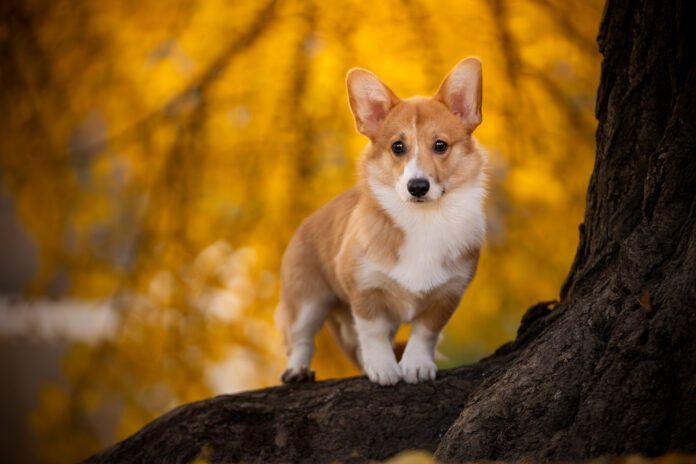
Dogs with dwarfism are often quite cute: short legs, big heads, and often stocky. But while many dogs with dwarfism lead happy, normal lives, this condition does predispose them to certain health conditions. Dogs with pituitary dwarfism require hormone replacement therapy and may still not achieve a normal lifespan.
What Is Dwarfism in Dogs?
Dwarfism is a genetic mutation that causes abnormal growth and bone formation. This usually results in a body that is out of proportion with its parts. Short, possibly crooked legs and an oversized head are common. There are two forms of dwarfism in dogs: achondroplasia and pituitary dwarfism.
Achondroplasia
Achondroplasia, also known as chondrodysplasia or osteochondrodysplasia, is the most common form of dwarfism in dogs. This is a genetic mutation that stops ossification, the process of hardening cartilage into bone. It is a dominant trait, which means that a dog only needs one copy of the mutated gene to exhibit dwarfism.
Many well-known breeds have been selected to have achondroplasia:
- Corgis
- Bulldogs
- Dachshunds
- French Bulldogs
- Basset Hounds
Dogs with achondroplasia usually live perfectly normal lives. That said, their long, low stature does predispose them to spinal cord and disc problems in their backs. If you have a chondrodysplastic dog, it is critical to keep him lean and fit and to prevent reckless jumping that could injure his back.
Pituitary Dwarfism
Pituitary dwarfism in dogs is uncommon and comes with a variety of unpleasant health consequences. Also known as hypopituitarism, pituitary dwarfism occurs when the pituitary gland in the brain does not produce enough growth hormone. It usually occurs as a recessive genetic mutation, meaning that a dog needs two copies of the mutated gene to exhibit dwarfism.
In rare cases, pituitary dwarfism can be caused by damage to the pituitary gland during birth or in early puppyhood. The gland can be damaged by lack of oxygen during birth, brain tumors, a traumatic brain injury, or inflammatory conditions.
Dogs with pituitary dwarfism are at risk for a variety of health problems, including:
- Slow growth – may not reach skeletal maturity until four years old
- Delayed eruption of adult teeth
- Hypothyroidism
- Abnormal tooth alignment and other dental problems
- Thin hair coat
- Hair loss
- Skin problems and chronic infections
- Poor muscle mass
- Hip dysplasia
- Luxating patellas
- Eye problems ranging from cataracts to retinal degeneration
Puppies with pituitary dwarfism are usually significantly smaller than their littermates and grow slowly. When getting a diagnosis, it can be helpful to compare littermates. The affected puppy will have less bone ossification on X-rays and will have lower growth hormone levels and higher levels of creatinine than his siblings.
The life expectancy for pituitary dwarfism in dogs is three to five years if left untreated. Affected dogs are often infertile, but no dog with pituitary dwarfism should be bred due to it being a hereditary disorder.
Uncommon overall, pituitary dwarfism is most common in German Shepherd Dogs. It can occur in any breed or mix. Genetic tests are available.
Treating Dwarfism in Dogs
Because dwarfism is a genetic condition, there is no cure. Dogs with achondroplasia or chondrodysplasia usually lead normal lives and do not require any special care beyond keeping them at a healthy weight to prevent back problems.
Dogs with pituitary dwarfism require hormone replacement therapy as soon as possible to achieve somewhat normal growth and improve their coat and skin condition. Many of these dogs are hypothyroid and will require thyroid supplementation their whole lives. Some dogs are also given pig growth hormone. Skin problems and infections will require prompt veterinary care. With treatment, a dog with pituitary dwarfism may be able to live a full life.
