



Dogs have lived beside people for thousands of years, yet many popular beliefs about them are still wrong. Some dog myths are harmless, but others can affect the way we understand, train, and care for our pets.
Below are 10 common dog myths, along with the facts every responsible dog owner should know.
1. Myth: Dogs See Only in Black and White
Dogs do see color. Their color range is simply more limited than ours.
Humans normally have three types of color-detecting cells in their eyes, while dogs have two. Dogs see blue and yellow especially well, but they have difficulty telling red and green apart. A red toy on green grass may not stand out clearly to a dog, even though it looks bright to us.
If you want a toy, training marker, or piece of agility equipment to be easy for your dog to see, blue or yellow can be a helpful choice.
The truth: Dogs do not see a black-and-white world. They see a smaller range of colors, mainly blues, yellows, and shades of gray.
2. Myth: A Wagging Tail Always Means a Happy Dog
A wagging tail shows that a dog is emotionally alert, but it does not always mean the dog is friendly or happy.
Dogs may wag when they are excited, uncertain, nervous, frustrated, or uncomfortable. The meaning depends on the speed and position of the tail, as well as the rest of the dog’s body language. A loose body and relaxed face are very different from a stiff body, fixed stare, or tense mouth.
Never judge a dog’s mood from the tail alone. Look at the ears, eyes, mouth, posture, and situation before approaching.
The truth: A tail wag is communication, not a guaranteed invitation to interact.
3. Myth: A Warm, Dry Nose Means a Dog Is Sick
A dog’s nose naturally changes throughout the day. It may become warm or dry after sleeping, exercising, sitting near a heater, or spending time in the sun. Some healthy dogs simply have drier noses than others.
The temperature or moisture of the nose is not a reliable test of overall health. Changes in appetite, energy, breathing, behavior, bathroom habits, or body temperature tell you much more.
Contact your veterinarian if the dry nose is cracked, bleeding, sore, or accompanied by symptoms such as vomiting, weakness, or loss of appetite.
The truth: A dry nose by itself usually does not mean a dog is ill.
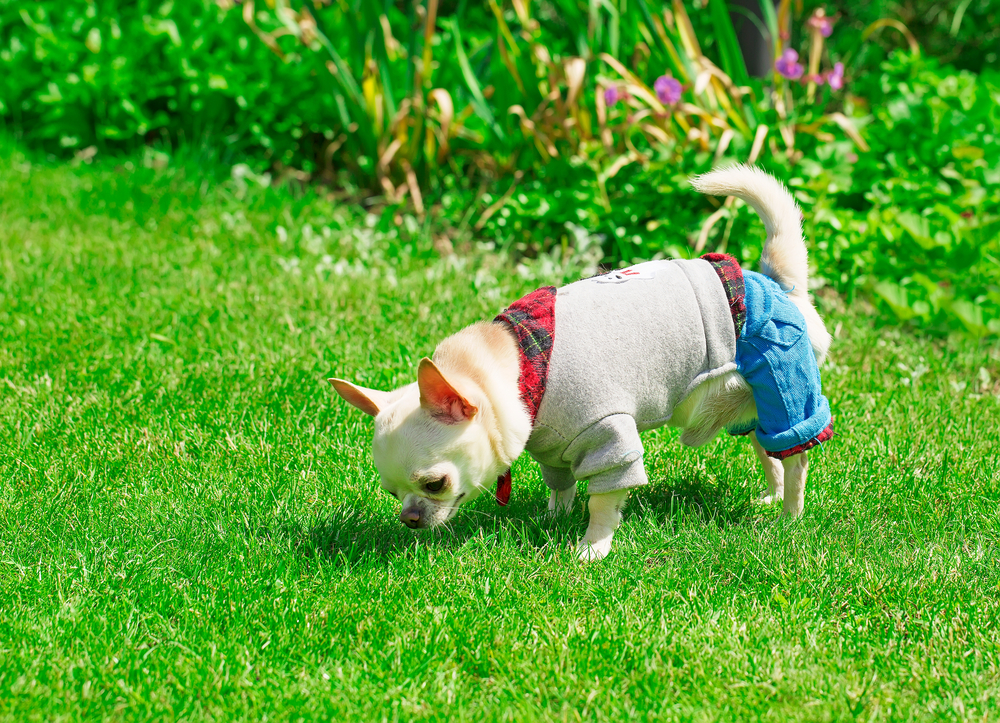
4. Myth: Dogs Eat Grass Only When They Are Sick
Some dogs may eat grass when their stomach feels unsettled, but that is not the only explanation. Dogs may also graze because they enjoy the taste or texture, want more fiber, feel bored, or have developed a habit.
Research summarized by VCA Animal Hospitals indicates that most grass-eating dogs do not appear sick beforehand and do not vomit afterward.
Occasional grazing is often harmless if the grass has not been treated with pesticides, herbicides, or other chemicals. However, sudden or excessive grass eating—especially with repeated vomiting, diarrhea, pain, or poor appetite—should be discussed with a veterinarian.
The truth: Grass eating is common and does not automatically signal illness.
5. Myth: You Must Be the “Alpha” to Control Your Dog
Dogs do not need to be intimidated, pinned down, or physically forced into submission. These methods are based on an outdated and oversimplified view of wolf behavior.
Harsh “alpha” techniques can create fear, damage trust, and increase the risk of defensive aggression. Dogs learn more safely when owners reward wanted behavior, prevent unwanted behavior from being practiced, and teach clear alternatives.
For example, instead of punishing a dog for jumping, teach the dog that keeping four paws on the floor earns attention. Consistent rules matter, but leadership does not require fear.
The truth: Clear communication and reward-based training are safer and more effective than trying to dominate a dog.
6. Myth: You Cannot Teach an Old Dog New Tricks
Dogs can learn throughout their lives. Senior dogs may need shorter sessions, gentler movements, higher-value rewards, or more repetition, especially if they have hearing, vision, memory, or mobility changes.
Learning can be valuable for older dogs because it provides mental stimulation and strengthens their bond with their family. Simple scent games, hand signals, puzzle toys, and low-impact tricks can keep a senior dog’s mind active.
If an older dog suddenly struggles with familiar cues, schedule a veterinary checkup. Pain, hearing loss, vision changes, or cognitive decline may be affecting the dog’s response.
The truth: Older dogs can learn new skills when training is adjusted to their needs.
7. Myth: A Dog’s Mouth Is Cleaner Than a Human’s
There is no useful scientific reason to call a dog’s mouth cleaner than a person’s. Human and canine mouths contain different communities of bacteria, and both can contain organisms capable of causing disease.
Dogs also use their mouths to eat, groom themselves, pick up objects, and investigate the environment. A lick on healthy, unbroken skin is usually low risk for most healthy adults, but it is wise to wash your skin afterward and avoid letting dogs lick your mouth, eyes, or an open wound.
Good dental care matters too. Regular brushing with dog-safe toothpaste and veterinary dental checks can help protect your dog’s mouth.
The truth: A dog’s mouth is not naturally sterile or cleaner than yours—it simply contains a different mix of microbes.
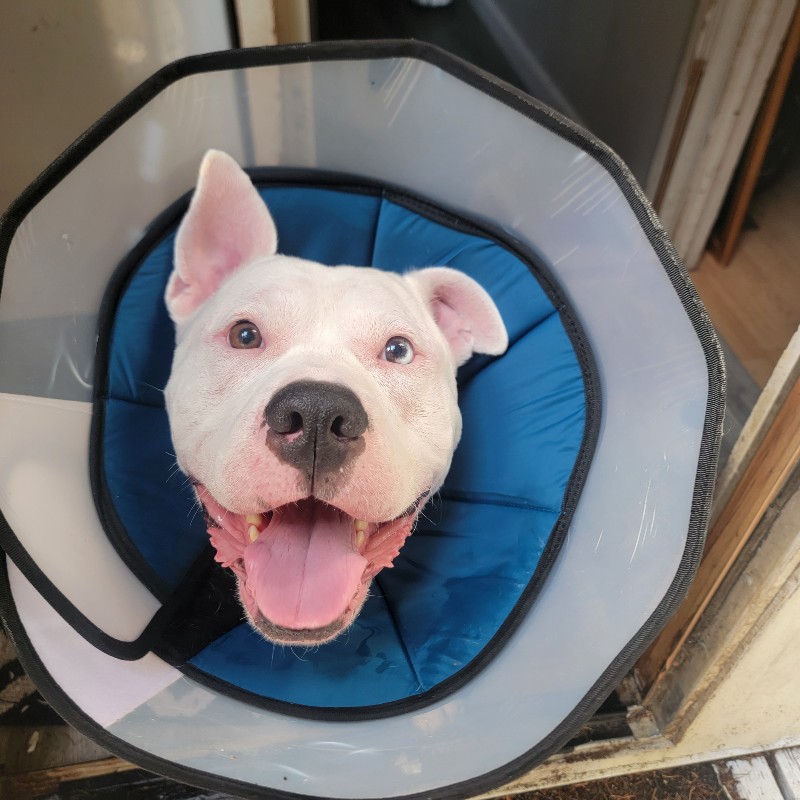
8. Myth: Letting a Dog Lick a Wound Helps It Heal
Licking may briefly remove dirt, but repeated licking can introduce bacteria, irritate tissue, reopen the wound, and delay healing. Persistent licking may turn a small injury into a much larger problem.
If your dog has a wound, contact your veterinarian for proper cleaning and care instructions. An Elizabethan collar, recovery suit, or other vet-approved barrier may be needed to stop licking.
You should also avoid allowing a dog to lick a human wound. Wash the area and follow appropriate medical advice instead.
The truth: Dog saliva is not a safe replacement for proper wound care.
9. Myth: Shaving a Dog Keeps Them Cooler in Summer
A dog’s coat does more than keep the animal warm. It also helps protect the skin from sunlight and provides insulation from outside heat. Shaving certain coats—especially double coats—may interfere with this natural protection and can sometimes lead to uneven regrowth.
This does not mean every dog should have the same grooming routine. Some coats need regular clipping, while others should usually be brushed and de-shed instead. Ask a veterinarian or qualified groomer what is appropriate for your dog’s breed and coat type.
To prevent overheating, provide shade, fresh water, indoor cooling, and walks during cooler hours. Never leave a dog inside a parked vehicle.
The truth: Shaving is not a universal summer-cooling solution and may be harmful for some coat types.

Helpful Grooming Pick
FURminator Undercoat deShedding Tool
Designed to remove loose undercoat hair without shaving or cutting the topcoat when used as directed. This version is intended for large, short-haired dogs.
View on Amazon
Note: Choose a grooming tool suited to your dog’s size, coat length, and coat type. As an Amazon Associate, we may earn from qualifying purchases.
10. Myth: Bones Are Always Natural and Safe for Dogs
Dogs may love chewing bones, but “natural” does not mean risk-free. Cooked bones can splinter and may cause choking, broken teeth, mouth injuries, intestinal blockage, or damage to the digestive tract. Raw bones also carry risks, including tooth fractures and exposure to harmful bacteria.
No chew is completely safe for every dog. The right choice depends on the dog’s size, chewing strength, health, and habits. Ask your veterinarian about suitable chew options, and supervise your dog whenever a chew is offered.
Seek veterinary help promptly if your dog swallows a dangerous object or develops choking, repeated vomiting, abdominal pain, lethargy, loss of appetite, or difficulty passing stool.
The truth: Bones can cause serious injuries and should never be treated as automatically safe.

Our Chew-Toy Pick
KONG Classic Stuffable Dog Toy
A durable natural-rubber toy that can be stuffed with suitable dog treats or kibble for supervised chewing and enrichment. This listing is for the large size and is intended for average chewers.
View on Amazon
Safety note: Choose the correct size for your dog, supervise chewing, and replace the toy if it becomes damaged. No dog toy is indestructible. As an Amazon Associate, we may earn from qualifying purchases.
Why Dog Myths Matter
Understanding dogs is about more than knowing interesting facts. The beliefs we accept can shape how we respond when a dog is frightened, sick, excited, or trying to communicate.
When advice sounds absolute—“always do this” or “a dog only does that”—it is worth checking a reliable veterinary or animal-behavior source. Every dog is an individual, and sudden changes in health or behavior should be discussed with a veterinarian.
The better we understand our dogs, the safer, healthier, and stronger our relationship with them can become.
Sources and Further Reading
Disclaimer: This article provides general educational information and is not a substitute for advice from your veterinarian.
Checkout Our Favorite Dog Products
1. BEST PUPPY TOY
We Like: Snuggle Behavior Toy with Heart Beat & Heat Pack – Ideal toy for new puppies.
2. BEST DOG TRAINING PROGRAM
We Like: Doggy Dan The Online Dog Trainer – Stop any dog problem and raise the perfect puppy with The Online Dog Trainer.
3. BEST DOG DNA TEST
We Like: Embark Dog DNA Test – Embark screens for over 250 dog breeds + tests for 170+ genetic diseases including MDR1 drug sensitivity, glaucoma, degenerative myelopathy, and dilated cardiomyopathy, some of the most common adult-onset diseases in dogs.
4. BEST DOG PUZZLE TOY
We Like: Outward Hound Interactive Puzzle Toy – Every dog loves chasing squirrels at the park. The Outward Hound Hide-a-Squirrel Puzzle Toy gives your dog the same feeling as though he was outdoors chasing live squirrels.
5. Best Calming Treats for Dogs
We Like: FurroLandia Hemp Calming Treats – These soft chews will calm your dog so it can peacefully endure stressful situations, such as long car trips, visiting unfamiliar places, or hearing Thunder. Ideal for all dog breeds & sizes.