Creating A Pet-Friendly Living Space That Supports Your Dog’s Health And Happiness
July 30, 2026
• Trends • At Home

(photo credit: Microsoft Stock Images)
A comfortable home should meet the needs of every family member, including four-legged ones. Dogs rely on their environment for safety, exercise, mental stimulation, and rest. Thoughtful adjustments throughout the home can reduce stress, encourage good behavior, and help prevent injuries. Whether you live in a house or a smaller residence, creating a pet-friendly space does not require a major renovation. Simple choices often make the biggest difference.
Create Dedicated Spaces for Rest and Relaxation
Dogs benefit from having a quiet area where they can relax without constant activity around them. A comfortable bed placed away from heavy foot traffic gives your pet a reliable place to sleep and recharge. Keeping food and water bowls nearby can also help establish a predictable daily routine.
If your dog uses a crate, position it in a calm location where the family spends time without placing it in the center of household activity. This allows your dog to feel included while still having a private retreat. Older dogs may benefit from orthopedic bedding, while puppies often appreciate washable bedding that can handle accidents during training.
Choose Durable and Safe Materials
Flooring, furniture, and fabrics experience extra wear in homes with pets. Scratch-resistant flooring and washable rugs make cleanup easier while providing stable footing for dogs of all ages. Slippery surfaces can increase the risk of falls, particularly for senior pets or breeds prone to joint issues.
Store cleaning supplies, medications, electrical cords, and small household items where curious dogs cannot reach them. Many common household products can become hazards if chewed or swallowed. When selecting houseplants, confirm they are safe for dogs, since several popular varieties can be toxic if ingested.
Encourage Physical Activity Every Day
Exercise supports healthy weight, muscle strength, and mental well-being. Indoor play sessions, puzzle toys, and short training exercises help keep dogs engaged when outdoor activity is limited.
Access to outdoor spaces can also improve a dog’s quality of life. Families searching for an apartment with a pool may also want to consider features such as nearby walking trails, pet relief areas, secure green spaces, and neighborhood parks that provide convenient opportunities for daily exercise. Matching activity levels to your dog’s age, breed, and health helps prevent overexertion while supporting long-term fitness.
Keep the Home Organized
A designated storage area for leashes, waste bags, grooming tools, treats, and toys makes daily routines more efficient. Rotating toys every few weeks helps maintain your dog’s interest without constantly purchasing new items.
Creating consistent feeding and grooming areas also reduces household clutter while making routines easier for both pets and owners. Keeping fresh water available in multiple locations may encourage proper hydration, especially in larger homes. An organized space supports consistency, which helps dogs feel more secure.
Make Mental Enrichment Part of the Environment
Physical exercise is only part of a healthy lifestyle. Dogs also need opportunities to use their senses and problem-solving abilities. Food puzzles, scent games, obedience practice, and supervised exploration of new environments provide valuable mental stimulation.
Even small changes, such as introducing new toys or practicing short training sessions throughout the week, can help reduce boredom and discourage unwanted behaviors like excessive barking or destructive chewing. Regular interaction with family members remains one of the most effective forms of enrichment because it strengthens trust while reinforcing positive habits.
A pet-friendly living space supports both comfort and safety without sacrificing practicality. Comfortable resting areas, durable materials, daily exercise, organized routines, and opportunities for mental stimulation all contribute to a healthier environment for dogs. Small improvements made over time can create a home where pets feel secure, active, and included as valued members of the family.
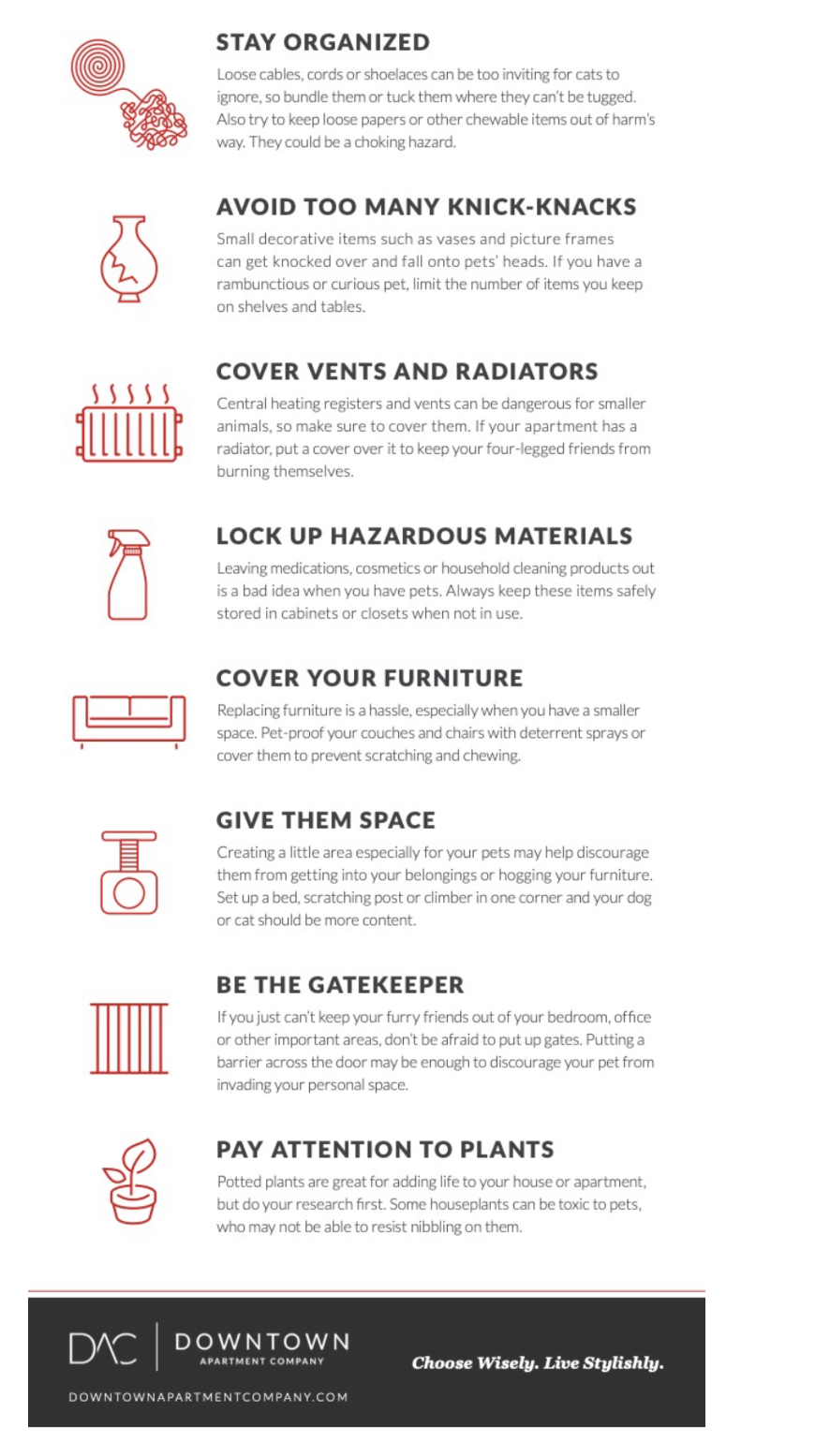
Check out the infographic below for more information.