

When you purchase through links on our site, we may earn a commission at no extra cost to you. Learn more.
Some dogs have a reputation that follows them everywhere. They’re labeled as intimidating, overly energetic, high-maintenance, or simply “too much dog” for the average owner. But reputations don’t always reflect reality.
That doesn’t mean these breeds are right for everyone. Exercise, training, grooming, and your lifestyle still matter. But if you’ve crossed one of these dogs off your list because of their appearance or reputation alone, it may be worth taking another look.
Here are 15 breeds that often surprise owners by being much easier to live with than people expect.
5 Misunderstood Breeds That Make Wonderful Companions
Some dogs never seem to escape their reputation. Whether they’re seen as intimidating, high-maintenance, or a little too feisty, first impressions don’t always tell the whole story.
These breeds often surprise owners by being affectionate, adaptable, and much easier to live with than many people expect.
1. Chihuahua
Expectation vs. Reality: Chihuahuas have a reputation for being loud, snappy little dogs that rule the house. A well-raised Chihuahua, however, is often a loyal, adaptable companion that’s easy to care for and happy to be by your side.
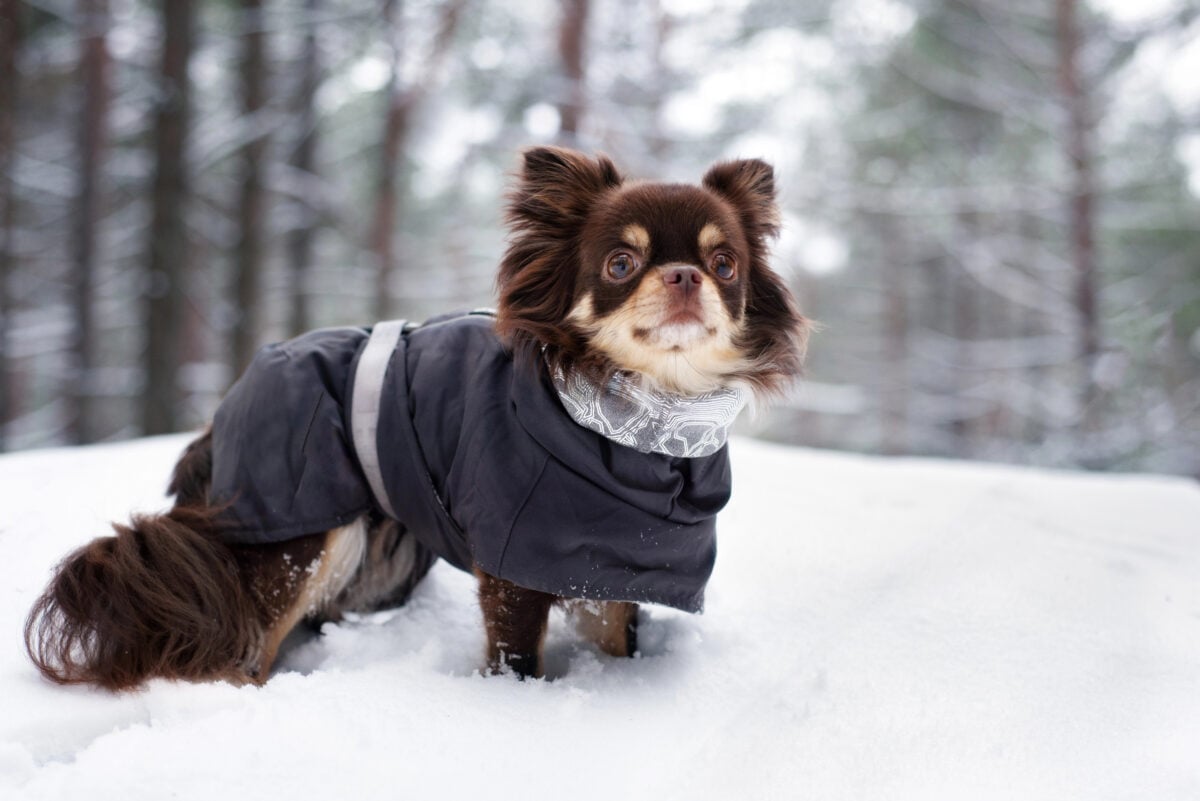
Despite being one of the smallest dog breeds, Chihuahuas have one of the biggest reputations. They’re often portrayed as feisty “purse dogs” that bark at everything and don’t play well with others. While some certainly fit that stereotype, much of it comes from poor breeding, lack of socialization, or owners letting bad habits slide because the dog is so small.
For many households, Chihuahuas are much easier to live with than people expect. They don’t need a large yard, are well suited to apartment living, and are inexpensive to feed compared to larger breeds. Short-coated Chihuahuas require very little grooming, and while they still benefit from daily walks and mental enrichment, they generally don’t demand hours of exercise.
At A Glance
- Size: Toy (2-6 pounds)
- Temperament: Loyal, alert, affectionate
- Energy Level: Moderate
- Grooming: Low (short coat) to moderate (long coat)
- Trainability: Moderate
- Best For: Apartment dwellers, singles, seniors, and anyone looking for a compact companion
2. Poodle
Expectation vs. Reality: Fancy haircut, high-maintenance personality? Not even close. While Poodles do require regular grooming, they’re among the smartest, most adaptable, and easiest breeds to train.
Blame the iconic haircut. For decades, Poodles have been associated with dog shows and pampered pets, making it easy to forget they were originally bred as hardworking water retrievers. Behind all those curls is an athletic, people-oriented dog that thrives on learning and spending time with their family.
Once you get past the grooming, many owners find Poodles surprisingly easy to live with. They pick up household routines quickly, enjoy training, and adapt well to everything from active families to quieter homes that provide regular walks and mental stimulation. Their coat is the biggest commitment, but their intelligence, eagerness to please, and cooperative nature often make everyday life much easier than their glamorous reputation suggests.
At A Glance
- Size: Toy to large (45-70 pounds for Standard Poodles)
- Temperament: Smart, affectionate, eager to please
- Energy Level: Moderate to high
- Grooming: High
- Trainability: High
- Best For: Active families, first-time owners willing to groom regularly, allergy-conscious households, and people who enjoy training and interactive activities
Did You Know?
The Poodle’s intelligence, trainability, and low-shedding coat have made them a favorite parent breed for dozens of popular mixes, including Goldendoodles, Labradoodles, Bernedoodles, Cockapoos, and many more.
If you’re wondering how a purebred Poodle compares to their mixed-breed relatives, start with these guides:
3. American Staffordshire Terrier
Expectation vs. Reality: Muscular build, broad head, and a “tough dog” reputation often make people think American Staffordshire Terriers are difficult to own. In reality, a well-bred, well-socialized AmStaff is an affectionate, “Velcro” dog who thrives on being part of the family.
American Staffordshire Terriers are often unfairly judged because they’re confused with other bully breeds or stereotyped based on their appearance. While they’re undeniably strong, they’re also known for their loyalty, playful personalities, and deep affection for the people they love. In fact, they earned a spot on our list of dogs that act tough but are actually big softies for exactly this reason.
Living with an AmStaff is often easier than people expect. Their short coat is simple to maintain, they’re highly trainable with positive reinforcement, and they’re just as happy joining you on a hike as they are curling up on the couch afterward. They do best with consistent boundaries and responsible ownership, but provide that, and you’ll likely have a devoted companion who’s eager to please.
At A Glance
- Size: Medium (40-70 pounds)
- Temperament: Loyal, confident, affectionate
- Energy Level: Moderate
- Grooming: Low
- Trainability: High
- Best For: Active individuals, families with older children, and owners committed to training and socialization
4. Shih Tzu
Expectation vs. Reality: Their flowing coat and royal history make Shih Tzus look like pampered lap dogs that require constant attention. While they do need regular grooming, they’re surprisingly adaptable companions with moderate exercise needs and an easygoing personality.
It’s easy to see why people think Shih Tzus are delicate. After all, they were originally bred to be companion dogs for Chinese royalty, and their luxurious coat certainly turns heads. But underneath all that hair is a sturdy little dog that’s more interested in spending time with their people than living a glamorous lifestyle.
Shih Tzus are happiest wherever their family is, whether that’s in a house with a backyard or a downtown apartment. They don’t need long runs or hours of exercise to stay content, making them a great fit for many households. Coat care is their biggest commitment, but many owners choose a shorter “puppy cut” to make grooming much easier while still enjoying the breed’s affectionate, friendly personality.
At A Glance
- Size: Toy (9-16 pounds)
- Temperament: Affectionate, friendly, outgoing
- Energy Level: Low to moderate
- Grooming: High
- Trainability: Moderate
- Best For: Singles, families, and anyone looking for a devoted companion
5. Maltese
Expectation vs. Reality: With their long white coat and elegant appearance, Maltese often look like fragile, high-maintenance show dogs. In reality, they’re lively, adaptable companions that are much more playful and resilient than many people expect.
The Maltese has been a beloved companion breed for thousands of years, but their appearance sometimes overshadows their personality. While their silky white coat does require regular brushing or professional grooming, they’re confident little dogs that enjoy playtime, learning tricks, and being involved in everyday family life.
Many owners are surprised by how easy a Maltese is to live with. Their small size makes them well suited to apartments and smaller homes, they don’t need extensive daily exercise, and they’re eager to spend time with their people whether that’s on a walk, playing indoors, or relaxing on the couch. Keep up with coat care and consistent training, and you’ll have a cheerful companion who’s always ready to brighten your day.
At A Glance
- Size: Toy (under 7 pounds)
- Temperament: Gentle, playful, affectionate
- Energy Level: Moderate
- Grooming: High
- Trainability: Moderate to high
- Best For: Apartment dwellers, seniors, and families with respectful children
Quick Tip
A long show coat isn’t the only option for a Maltese. Many owners choose practical haircuts like the puppy cut or teddy bear cut to make grooming much easier while still keeping their Maltese looking adorable.
If you’re considering a Maltese, these guides can help you decide whether their grooming needs fit your lifestyle:
- Maltese Dog Haircuts – Explore low-maintenance cuts and grooming styles that fit your dog’s personality and your routine.
- Do Maltese Shed? – Learn what “low shedding” really means and what to expect around your home.
5 Breeds That Are More Relaxed Than You’d Think
It’s easy to assume these breeds need to be constantly on the move. Some were bred to race, hunt, or herd, while others look like they have endless energy.
But in many homes, they’re surprisingly content to slow down, settle in, and enjoy life with their families once they’ve had an outlet for their instincts.
1. Greyhound
Expectation vs. Reality: As one of the fastest dog breeds in the world, Greyhounds seem like they’d need constant exercise. Surprisingly, they’re famous for being “45 mph couch potatoes.”
Greyhounds were bred for speed, so it’s easy to assume they’re nonstop athletes. In reality, they’re sprinters, not marathon runners. While they love the chance to stretch their long legs in a safely enclosed area, they’re known for being calm, quiet dogs that spend much of the day relaxing.
Many first-time Greyhound owners are surprised by how easy they are to live with. They tend to be gentle indoors, don’t require elaborate grooming, and are often content with moderate daily exercise followed by plenty of downtime. Give them a comfortable place to nap, and they’ll happily earn their reputation as one of the canine world’s biggest couch potatoes.
At A Glance
- Size: Large (60-70 pounds)
- Temperament: Gentle, quiet, affectionate
- Energy Level: Moderate
- Grooming: Low
- Trainability: Moderate
- Best For: Apartment dwellers, quiet households, and anyone looking for a calm large dog
2. Whippet
Expectation vs. Reality: Their sleek, athletic build makes Whippets look like they never slow down. In reality, they’re happiest after a chance to run, spending much of the day curled up beside their favorite people.
Whippets were developed as sprinting dogs, so they can reach impressive speeds in short bursts. That athleticism often leads people to believe they need constant activity, but most are remarkably relaxed indoors. They’re quiet, affectionate, and known for seeking out the softest blanket in the house.
Living with a Whippet is often easier than people expect. They require regular exercise and appreciate the opportunity to run in a secure area, but once they’re home, they’re content to nap for hours. Their short coat is easy to care for, and their calm indoor nature makes them excellent companions for many households.
At A Glance
- Size: Medium (25-40 pounds)
- Temperament: Gentle, affectionate, quiet
- Energy Level: Moderate
- Grooming: Low
- Trainability: Moderate
- Best For: Families, apartment dwellers, and owners looking for a calm companion
3. Basset Hound
Expectation vs. Reality: Basset Hounds were bred to spend hours tracking scents, so many people expect them to be constantly on the move. In reality, they’re famously laid-back dogs that enjoy relaxing just as much as following an interesting trail.
Those long ears, droopy eyes, and powerful nose were designed to help Basset Hounds excel as scent hounds. Although they’ll happily investigate every interesting smell on a walk, they’re also known for their easygoing nature and love of lounging around the house with their family.
Basset Hounds don’t need an intense exercise routine to stay happy, but they do benefit from regular walks to keep both their body and nose engaged. Their stubborn streak can make training take a little patience, but their calm temperament and affectionate personality make them wonderfully easy companions to live alongside.
At A Glance
- Size: Medium to large (40-65 pounds)
- Temperament: Gentle, friendly, laid-back
- Energy Level: Low to moderate
- Grooming: Low
- Trainability: Moderate
- Best For: Laid-back households and owners looking for a relaxed companion
4. Beagle
Expectation vs. Reality: Beagles are famous for following their nose, leading many people to assume they’re nonstop bundles of energy. While they’ll happily chase an interesting scent, they’re also friendly, adaptable dogs that know how to relax after a good walk or play session.
Originally bred as pack hunting dogs, Beagles love exploring the world through their nose. They’re curious, cheerful, and always ready for an adventure, but that doesn’t mean they need to be busy every waking hour. Like many scent hounds, they’re often perfectly content curling up with their family once they’ve had enough exercise and mental enrichment.
Beagles thrive in active homes that provide daily walks, opportunities to sniff, and positive training. Their nose can occasionally lead them astray, but their friendly personality, manageable size, and adaptable nature make them a favorite for families around the world.
At A Glance
- Size: Small to medium (20-30 pounds)
- Temperament: Friendly, curious, merry
- Energy Level: Moderate
- Grooming: Low
- Trainability: Moderate
- Best For: Active families, first-time owners, and households looking for a social companion
Breed Comparison: Beagle vs Basset Hound
Both breeds were developed as scent hounds with exceptional noses, friendly personalities, and a love of following interesting smells. They share many traits, but Beagles tend to be more energetic and adventurous, while Basset Hounds are generally more laid-back and content to take life at a slower pace.
Still deciding between the two? Compare their temperament, exercise needs, grooming requirements, and family life in our complete Beagle vs. Basset Hound guide.
5. Collie
Expectation vs. Reality: Because they’re a herding breed, many people assume Collies need nonstop activity to stay happy. While they enjoy exercise and having a job to do, they’re also calm, gentle companions that adapt surprisingly well to family life.
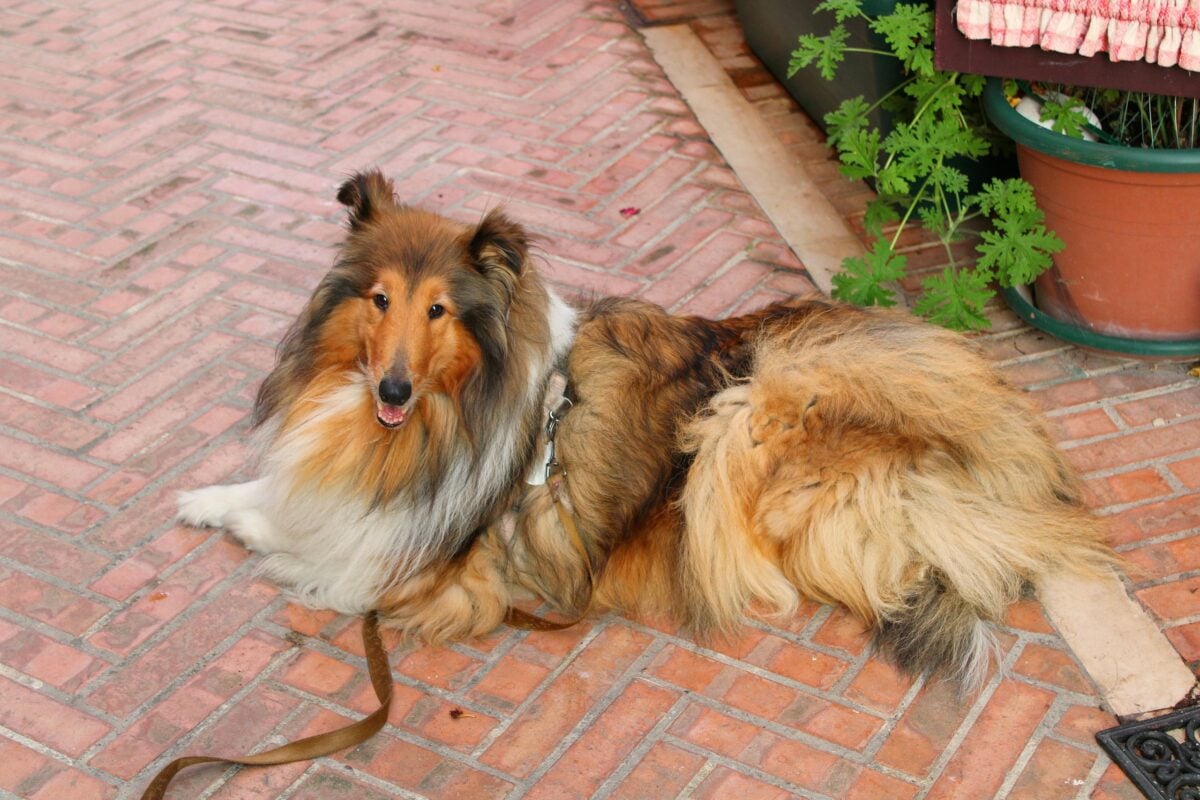
Thanks to generations of television and their history as hardworking farm dogs, Rough Collies are often viewed as constantly busy dogs. They’re certainly intelligent and enjoy learning, but they’re also deeply devoted to their families and known for their steady, thoughtful temperament. Many are happiest simply being with their people.
Unlike the high-drive Border Collie, which made our list of high-maintenance dog breeds, Rough Collies are generally much more relaxed and adaptable once their daily exercise needs are met. Their biggest commitment is regular brushing to maintain their beautiful coat, making them an excellent choice for families who want an intelligent herding breed without the intensity.
At A Glance
- Size: Large (50-75 pounds)
- Temperament: Gentle, intelligent, devoted
- Energy Level: Moderate
- Grooming: Moderate to high
- Trainability: High
- Best For: Families, first-time owners, and anyone looking for an affectionate, highly trainable companion
5 Giant Breeds That Are Easier Than They Look
Towering over most other dogs, these gentle giants can seem intimidating at first glance. Their size certainly comes with bigger food bills, larger beds, and a little more drool, but many are surprisingly calm, patient, and content to spend quiet time with their families.
If you have the space to accommodate them, living with one of these breeds is often easier than their massive stature suggests.
1. Great Dane
Expectation vs. Reality: Standing nearly as tall as some adults when they stretch up, Great Danes look like they’d be difficult to manage. More often than not, they’re gentle, easygoing companions that would happily spend the afternoon sharing your couch if you’d let them.
Despite their enormous size, Great Danes are known for their calm, affectionate personalities. They’re devoted to their families, typically friendly with visitors, and usually content with moderate daily exercise rather than nonstop activity. Many owners joke that their biggest challenge is convincing their Dane they aren’t actually a lap dog.
Their giant size still comes with practical considerations, from larger food bills to bigger veterinary expenses and shorter lifespans. But if you have enough room for them to stretch out, many owners find Great Danes surprisingly relaxed and remarkably easy to manage.
At A Glance
- Size: Giant (110-175 pounds)
- Temperament: Gentle, affectionate, patient
- Energy Level: Moderate
- Grooming: Low
- Trainability: High
- Best For: Owners with space, experienced or committed first-time giant-breed owners
2. English Mastiff
Expectation vs. Reality: Few dogs look more imposing than an English Mastiff. Underneath that massive frame, however, is a calm, deeply loyal companion that’s often happiest simply keeping their family company.
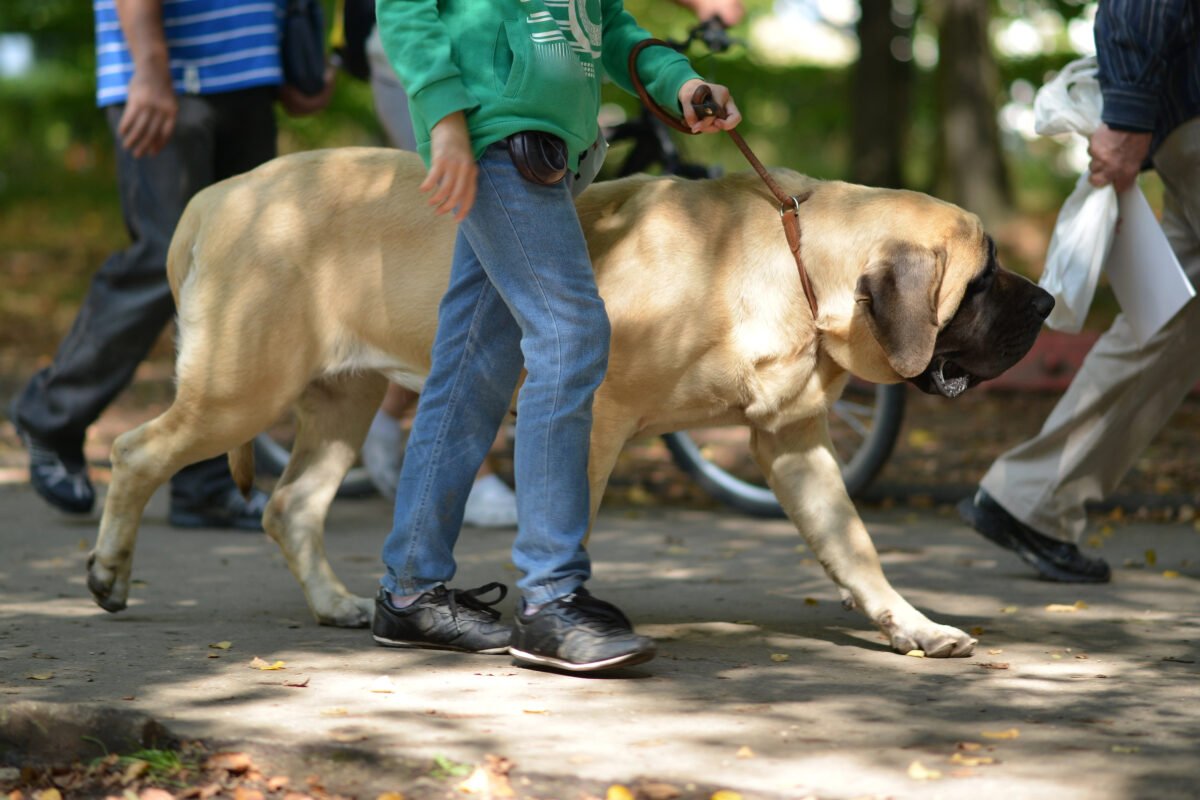
Originally bred to guard estates, English Mastiffs possess a quiet confidence rather than constant intensity. They aren’t typically hyperactive or demanding, preferring to observe their surroundings before deciding whether something deserves their attention. Around their family, they’re famously gentle and affectionate.
Their size is the biggest adjustment. Everything from food and medications to orthopedic care costs more for a dog this large, and early training is essential simply because of their strength. Still, many owners find their laid-back temperament makes daily life much easier than their intimidating appearance would suggest.
At A Glance
- Size: Giant (120-230 pounds)
- Temperament: Calm, loyal, dignified
- Energy Level: Low to moderate
- Grooming: Low
- Trainability: Moderate
- Best For: Owners looking for a quiet, low-energy breed
Did You Know?
The English Mastiff is just one member of a much larger mastiff family. While all mastiff breeds are known for their impressive size and protective instincts, each has a distinct temperament and care needs.
If you’re considering a mastiff, these breed guides can help you compare your options:
- Neapolitan Mastiff – Learn about this ancient Italian guardian with their unmistakable wrinkled appearance.
- Cane Corso – Discover why this athletic Italian mastiff has become one of today’s most popular guardian breeds.
- Dogue de Bordeaux – Meet the gentle, devoted French Mastiff made famous by their massive, wrinkled head and loyal temperament.
3. Bullmastiff
Expectation vs. Reality: With their muscular build and serious expression, Bullmastiffs often look like they’ll require constant handling. In reality, they’re typically quiet, steady dogs that prefer relaxing with their family over creating excitement.
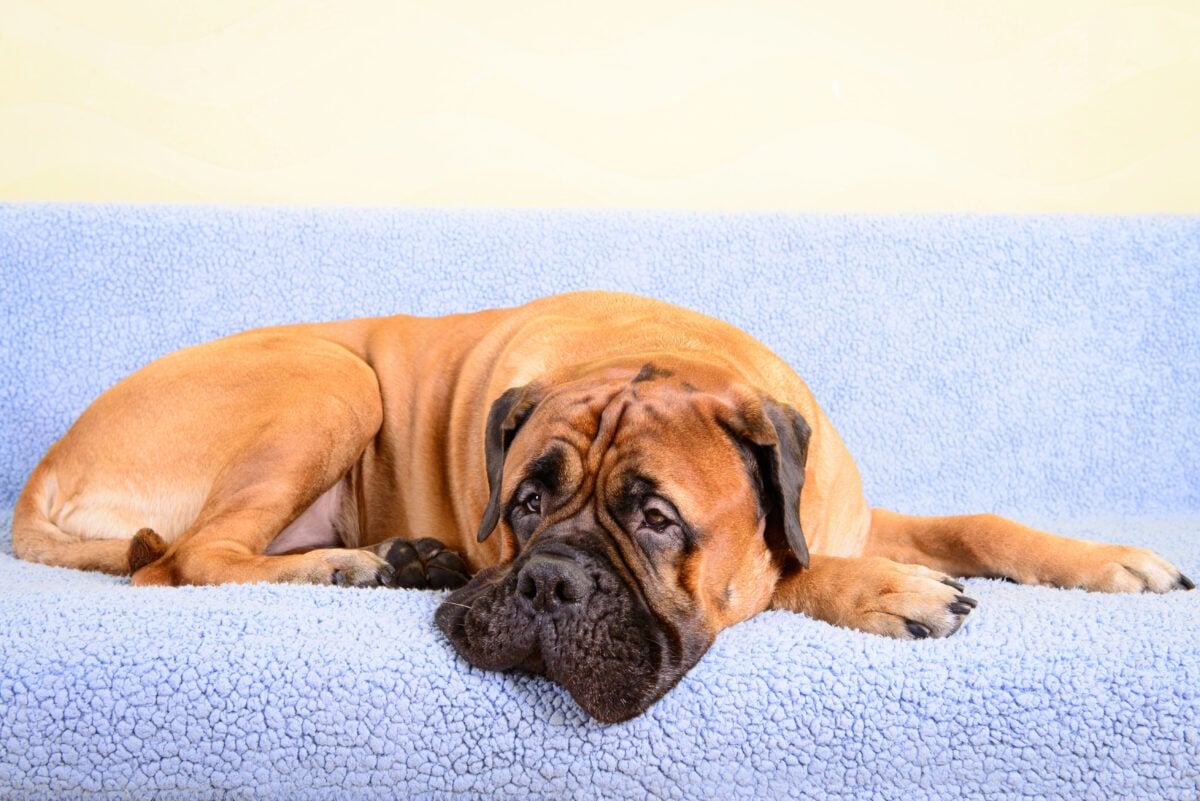
Bullmastiffs were developed to guard large estates, but they aren’t known for unnecessary barking or endless energy. Instead, they’re observant, confident, and naturally protective without being constantly “on.” At home, many are affectionate companions that enjoy lounging nearby.
Because they’re powerful dogs, consistent training and early socialization are essential. Once they understand the rules, however, Bullmastiffs are often surprisingly low-key house dogs that fit well into families looking for a calm, dependable companion.
At A Glance
- Size: Giant (100-130 pounds)
- Temperament: Confident, loyal, affectionate
- Energy Level: Moderate
- Grooming: Low
- Trainability: Moderate
- Best For: Families wanting a guardian and companion
4. Newfoundland
Expectation vs. Reality: A dog this large and fluffy seems like they’d be overwhelming to own. While Newfoundlands do require regular grooming, they’re famous for their gentle temperament and patient nature.
Originally bred as water rescue dogs, Newfoundlands combine impressive strength with remarkable kindness. They’re often exceptionally patient with children, eager to please, and happiest when spending time with their family. Despite their working background, they’re generally calm indoors once their exercise needs are met.
The biggest trade-offs are grooming, shedding, drool, and the higher costs that come with any giant breed. For owners prepared for those responsibilities, Newfoundlands often prove far more relaxed and manageable than their size suggests.
At A Glance
- Size: Giant (100-150 pounds)
- Temperament: Gentle, patient, sweet
- Energy Level: Moderate
- Grooming: High
- Trainability: High
- Best For: Families, especially those with children and room for a giant breed
5. Saint Bernard
Expectation vs. Reality: Their massive build and rescue-dog history might make Saint Bernards seem like they need endless exercise. In reality, they’re typically calm, easygoing dogs that enjoy moderate activity followed by plenty of relaxation.
Originally bred to assist travelers in the Swiss Alps, Saint Bernards are known today for their affectionate, patient personalities. They’re generally tolerant, devoted to their families, and surprisingly content spending quiet time at home rather than constantly looking for something to do.
Like other giant breeds, they require space, consistent training, and owners who are prepared for drool, shedding, and larger veterinary bills. Those practical considerations are real, but their gentle temperament often makes them much easier to live with than their towering size first suggests.
At A Glance
- Size: Giant (120-180 pounds)
- Temperament: Gentle, friendly, patient
- Energy Level: Low to moderate
- Grooming: Moderate to high
- Trainability: Moderate
- Best For: Families with space who want a calm, affectionate giant companion
Why Reputation Doesn’t Always Match Reality
It’s easy to judge a dog by their appearance, job, or reputation. Muscular breeds are often assumed to be difficult, racing dogs seem like they’d never slow down, and giant breeds can look overwhelming before you’ve ever met one.
While breed tendencies certainly matter, they don’t tell you everything about what it’s actually like to live with a dog. Temperament, training, socialization, exercise, and your own lifestyle all play an important role in shaping the experience.
Looks Can Be Deceiving
Many of the breeds on this list have been misunderstood simply because of how they look.
A muscular American Staffordshire Terrier may be incredibly affectionate with their family. A towering Great Dane often wants nothing more than to curl up beside their favorite people. Even a tiny Chihuahua can be a confident, adaptable companion when they’re treated like a dog instead of a fashion accessory.
First impressions aren’t always wrong, but they rarely tell the complete story.
History Doesn’t Tell The Whole Story
A breed’s original purpose helps explain many of their instincts, but it doesn’t always predict what daily life will be like today.
Greyhounds were bred for racing, yet they’re famous for lounging around the house. Rough Collies descended from hardworking herding dogs, but they’re generally far more relaxed than many people expect. Even scent hounds like Beagles and Basset Hounds know how to settle down once they’ve had enough exercise and mental enrichment.
Centuries of selective breeding created these dogs, but modern companions are much more than the jobs they were originally developed to perform.
The Right Match Matters More Than Reputation
Every breed has strengths, challenges, and care requirements. The key isn’t finding the “easiest” dog. It’s finding the dog whose needs best match your lifestyle.
If you’re active, a higher-energy breed may be the perfect fit. If you prefer quiet evenings at home, a calm companion may be a better choice. The happiest dogs and owners are usually those whose expectations align from the beginning.
A breed’s reputation can help narrow your options, but spending time learning about their temperament, exercise needs, grooming requirements, trainability, and health is far more valuable than relying on stereotypes alone.
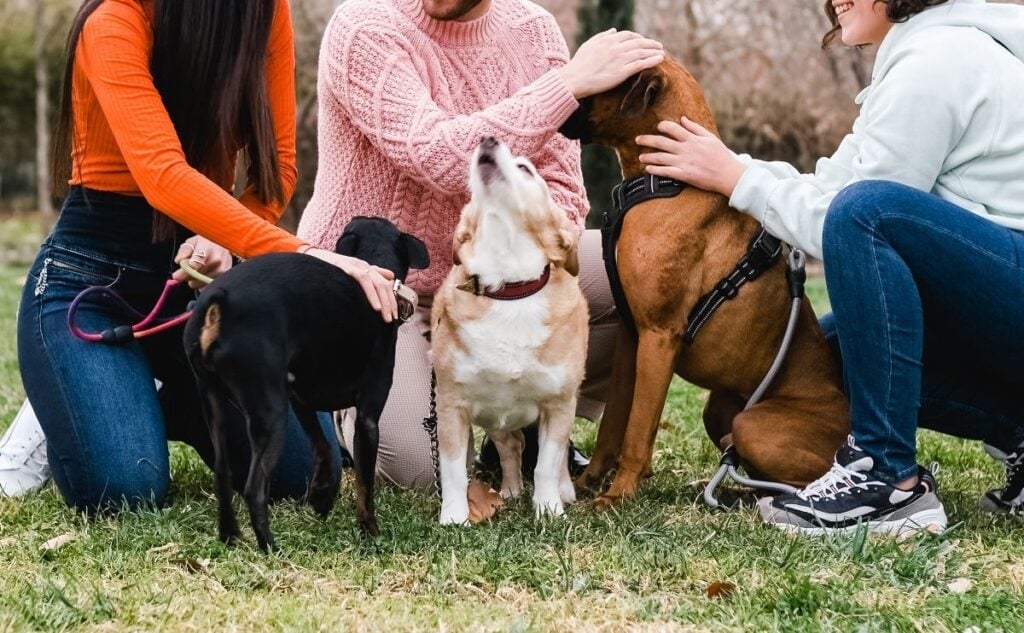
Before Choosing Any Dog
No matter which breed catches your attention, it’s worth thinking beyond first impressions before bringing a dog home.
Ask yourself:
- How much daily exercise can I realistically provide? Be honest about your routine rather than your ideal schedule.
- Can I keep up with grooming? Some “easy” dogs require frequent brushing or professional grooming.
- Do I have enough space? Giant breeds may be calm, but they still need room to move comfortably.
- What’s my training experience? Intelligent, powerful, or independent breeds often benefit from consistent training and early socialization.
- Am I prepared for the financial commitment? Food, grooming, veterinary care, and emergency expenses can vary dramatically by breed.
- Will this breed fit my household? Consider children, other pets, your work schedule, and your living situation.
Choosing a dog based on their appearance alone can lead to disappointment. Choosing one whose needs genuinely fit your lifestyle gives both of you the best chance of a happy life together.
Frequently Asked Questions
Choosing the right dog often means looking beyond first impressions. Here are answers to some of the most common questions about breed stereotypes, temperament, and finding a dog that’s the right fit for your lifestyle.
Don’t see your question? Respond in the comments, and we’ll get back to you!
What Is The Easiest Dog Breed To Live With?
There’s no single breed that’s easiest for everyone. The best choice depends on your lifestyle, experience, activity level, and how much time you can devote to training, grooming, and exercise. A breed that’s perfect for one family may not be the right fit for another.
Are Large Dogs Harder To Care For Than Small Dogs?
Not necessarily. Many giant breeds are surprisingly calm and easygoing indoors; however, they do come with larger expenses, including food, medications, beds, crates, and veterinary care. Their size also means training is especially important from an early age.
Are Working Dogs Always High-Energy?
No. While many working breeds enjoy having a job to do, their energy levels vary considerably. Some, like Newfoundlands, are often much more relaxed than people expect once their daily exercise and mental stimulation needs are met.
Can Training Change A Dog’s Personality?
Training can’t change a dog’s basic temperament, but it can shape how they respond to the world. Positive reinforcement, early socialization, and consistent routines help dogs become more confident, well-mannered companions regardless of breed.
Should I Ignore Breed Stereotypes?
Not entirely. Breed tendencies can provide helpful insight into a dog’s typical behavior, exercise needs, and care requirements.
The key is to treat them as general guidelines rather than guarantees. Individual personality, upbringing, and environment all play major roles in how a dog behaves.
Can First-Time Owners Handle Any Of These Breeds?
Several breeds on this list, including the Greyhound, Great Dane, Collie, Shih Tzu, and Beagle, can be excellent choices for first-time owners when their needs are understood. Others, particularly powerful giant breeds like the English Mastiff and Bullmastiff, are often better suited to owners who are prepared for the responsibilities that come with their size and strength.
Still Looking For The Right Dog?
Every dog is an individual, but understanding typical breed traits can help you narrow down the best match for your home and lifestyle. If you’re still exploring your options, these guides can help you compare more breeds and understand what daily life with them is really like.