

When you purchase through links on our site, we may earn a commission at no extra cost to you. Learn more.
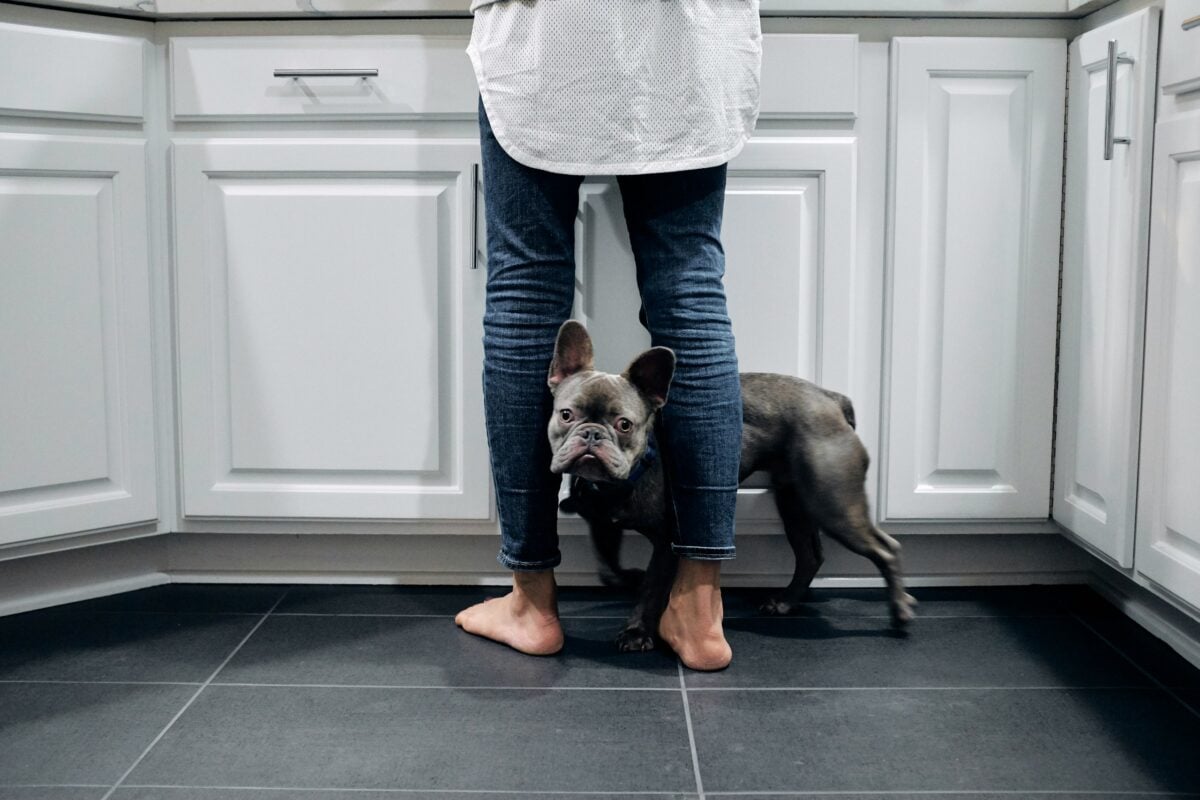
You’re standing in the kitchen when you suddenly feel warm pressure against your leg. Or during your first trip to the dog park, your pup slowly backs into you and stays put. Either way, “the lean” is one of those oddly specific dog behaviors that feels surprisingly personal.
In many cases, leaning is a sign of affection, trust, comfort, or emotional closeness. But depending on the situation, it can also be tied to attention-seeking, anxiety, breed tendencies, or even protective behavior.
The good news? Most dog leans are completely normal, and honestly, kind of sweet.
Start Here: Why Dogs Lean On Their Favorite Humans
In simple terms, dogs lean on people because they like being close to them.
Physical contact can feel reassuring to dogs, especially from the humans they trust most. Some dogs lean when they’re relaxed and happy. Others do it when they want comfort, attention, reassurance, or connection.
Once a dog learns that leaning gets them affection, attention, or comfort, the behavior often becomes part of their routine. Over time, “the lean” can become one of the clearest ways your dog says, “I feel safe with you.”
Watch For: Happy, affectionate leaning is usually soft and relaxed. Dogs may sigh, wag their tail, slowly go limp, or press even closer during pets. More tense leaning may involve freezing, trembling, lip-licking, hard staring, or trying to block access to you.
4 Common Types Of Dog Leans
Not all dog leans look the same. Some are subtle, some are dramatic, and some feel less like affection and more like your dog is physically trying to merge with your body.
- The Full-Body Lean: This is the classic “Velcro dog” move. Your dog presses most, if not all, of their body weight against your legs while standing beside you.
- The Slow-Motion Collapse: Usually happens during pets or cuddle time. Your dog gradually gets heavier, sighs dramatically, and slowly melts into you as though they’ve completely lost the ability to hold themselves upright.
- The “Don’t Stop Petting Me” Lean: The second you stop scratching their chest or ears, your dog immediately presses even closer like they’re politely demanding you continue.
- The Nervous Lean: Some dogs lean against their owners during stressful situations. The behavior is often paired with tense, alert body language.
1. Affection & Bonding: Your Dog’s Version Of A Hug
Sometimes dogs lean on you for the same reason people sit shoulder-to-shoulder on the couch or reach for a hug after a long day. They just want to feel close to someone they love.
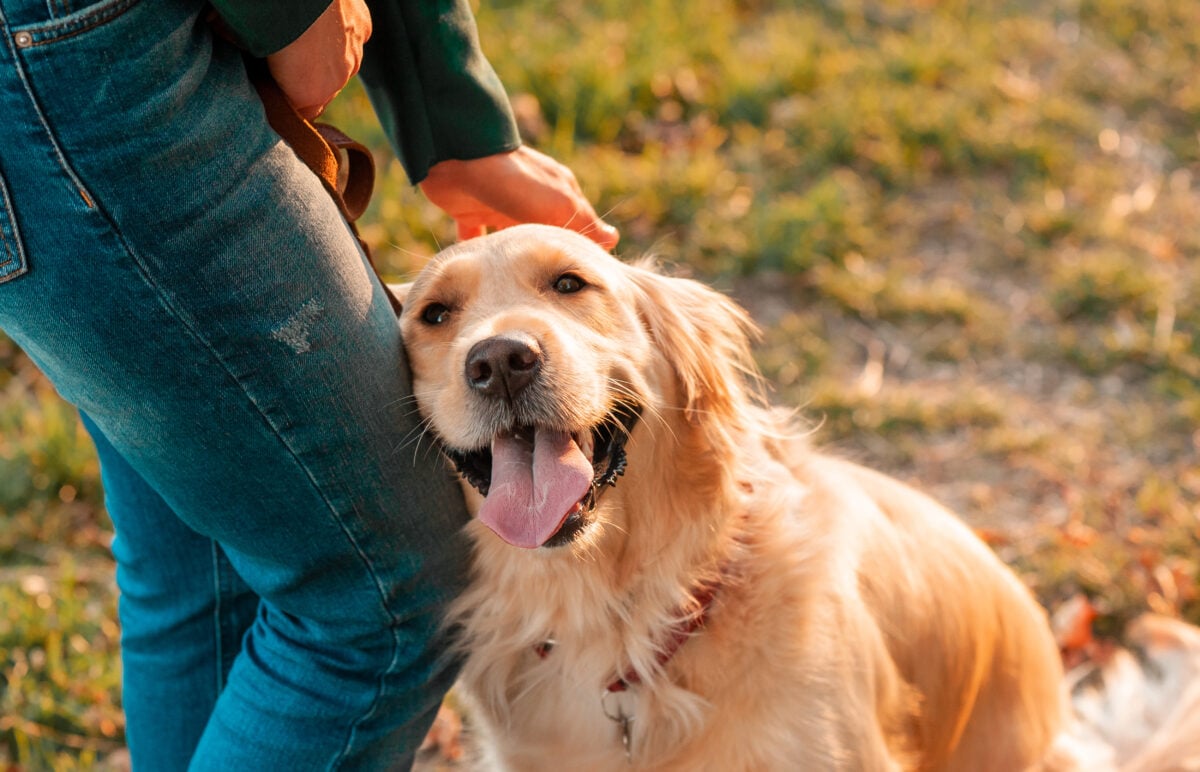
Many affectionate dogs naturally seek physical contact as a way to connect. Some curl up beside you, some put their head in your lap, and some full-body leaners seem determined to fuse themselves to your leg.
Physical touch also releases feel-good hormones associated with bonding and relaxation. That’s one reason many dogs lean most often during calm, quiet moments like:
- While being petted
- During couch time
- After you come home
- When they’re sleepy or winding down for the night
You may notice them slowly going limp, sighing dramatically, or pressing even closer while you scratch their chest or ears.
If your dog leans against you regularly, it may simply be one of the clearest ways they show attachment and trust. Dogs that lean affectionately often follow their humans from room to room, sleep pressed against you, or constantly seek physical contact throughout the day.
More Signs Your Dog Feels Attached To You
2. Your Dog Thinks You’re Their Safe Place
You may notice your dog pressing against you more during stressful or fearful situations, like thunderstorms, crowded places, vet visits, or your first trip to a busy dog park. Some dogs lean when they feel overwhelmed. Others do it when they want reassurance that their person is still nearby.
In a lot of ways, dogs use trusted humans like emotional anchors. Physical contact can help them feel calmer and more grounded when something around them feels uncertain.
This is especially common in sensitive or stressed dogs. You may notice the leaning happening alongside other subtle stress signals, too, like:
Watch: This overwhelmed pup leans into their favorite person for comfort and reassurance while showing subtle stress signals like pinned-back ears and clingy body language.
Keep in mind that sudden clinginess or dramatic behavior changes can sometimes signal anxiety, pain, or illness, especially if the leaning seems new or excessive. If your dog suddenly becomes unusually attached, restless, or emotionally needy, it’s worth paying attention to the bigger picture.
3. Some Breeds Are Basically Professional Leaners
Different breeds tend to show affection in different ways. For example:
- Herding breeds, like Border Collies, may show affection by “helping,” supervising, or constantly trying to stay involved in what you’re doing.
- Guardian breeds may watch you from a distance or quietly place themselves between you and something they view as unusual.
- Companion breeds often want to snuggle, curl up beside you, or stay in constant physical contact.
Dobermans and Greyhounds are probably two of the most legendary “leaners,” although the intent behind their lean is slightly different.
Often called “Velcro dogs,” Dobermans are famous for craving constant closeness with their humans. Many Doberman owners joke that their dog cannot simply stand next to them; they have lean their full body weight against your leg.
Watch: This Doberman demonstrates the classic “Dobie lean” by pressing their body against their owner as a sign of affection and loyalty.
Greyhounds, on the other hand, are known for a softer, slower lean. Many gently press against their favorite people while standing still, especially when they feel relaxed or safe.
Watch: This Greyhound casually leans into their owner during pets. For this breed, the lean is often tied closely to trust and comfort.
Other dogs known for leaning heavily on their favorite humans include affectionate, large breeds like Bernese Mountain Dogs, Great Danes, Boxers, Labrador Retrievers, and Golden Retrievers. Smaller companion breeds, like Chihuahuas and Cavaliers, are often more likely to express attachment through full-on cuddling or lap sitting instead of the dramatic standing lean.
On the flip side, breeds with more independent temperaments may be less physically clingy overall. That does not mean they are any less bonded to their owners. They just tend to show affection without needing constant physical contact.
4. Sometimes Your Dog Is Just Asking For Attention
Not every lean is deep or emotional. Sometimes your dog is simply trying to get your attention. Dogs quickly learn which behaviors get a reaction from their humans, and if leaning against your leg reliably leads to pets, eye contact, baby talk, treats, or being invited onto the couch, many dogs start doing it on purpose.
Dogs asking for attention may also:
This is especially common when dogs want food, playtime, affection, or general interaction.
Attention-seeking leaning is usually harmless unless it becomes excessive or demanding. If your dog becomes pushy, anxious, or unable to settle without constant interaction, it may help to encourage more independence and calm downtime throughout the day.
5. When Leaning Becomes Protective Or Possessive
Most leaning is harmless and affectionate. But in some situations, a dog leaning heavily against their owner can become more about guarding, control, or emotional dependence than simple closeness.
Some dogs naturally become protective of the people they bond with most. Instead of casually leaning for comfort, they may use their body to block access to you, position themselves between you and other people or dogs, or become tense when someone approaches.
On its own, this behavior is not always cause for concern. But it’s important to watch for additional signs commonly associated with resource guarding, including:
- Stiff body posture
- Hard staring
- Freezing
- Low growling
- Snarling
- Snapping
- Barking when someone gets close
- Pushing between you and another person or pet
Resource guarding can develop around food, toys, sleeping spaces, or even people. Some dogs become so attached to one person that they begin guarding that relationship from others without the owner fully realizing it at first.
Left unaddressed, the behavior can escalate over time and potentially become dangerous for both people and pets. That’s why it’s important to recognize the signs early and work on the behavior before it becomes more intense.
Watch: This owner explains how their dog’s leaning behavior was associated with resource guarding and over-attachment, along with the steps they used to help improve the behavior safely.
If this sounds familiar, our guides on resource guarding in dogs, sudden aggression in dogs, and aggressive dog training tips may help you better understand what’s going on.
6. When Leaning Can Signal Anxiety Or Clinginess
Sometimes, leaning has less to do with affection and more to do with anxiety, insecurity, or emotional over-dependence.
Dogs with separation anxiety or nervous temperaments often stay in constant physical contact with the people they trust most. Leaning can become part of a larger pattern of clingy behavior, especially if your dog seems unable to relax unless they are touching you, following you, or monitoring your location at all times.
This is especially common in rescue dogs, dogs that have experienced major life changes, or naturally sensitive breeds that form very intense attachments to their owners. You may notice anxiety-related leaning happening alongside other behaviors like:
- Pacing and panting
- Whining
- Trembling
- Refusing to settle alone
- Destructive behavior when left home alone
The biggest difference is context. Affectionate leaning usually happens during calm, relaxed moments. Anxiety-based leaning often feels more urgent, constant, or emotionally dependent.
If your dog struggles to settle alone, panics when separated from you, or seems emotionally distressed without constant contact, it may help to learn more about separation anxiety in dogs and other common signs of dog anxiety.
Myth Check: Is Leaning A Sign Of Dominance?
Despite some older dog training myths, most dogs are not trying to “dominate” their owners when they lean against them. In the vast majority of cases, leaning is tied to affection, comfort, attention-seeking, trust, or emotional attachment instead. Body language matters much more than the leaning itself.
A relaxed dog that sighs, wags their tail, or slowly melts against your leg is very different from a dog that becomes stiff, possessive, or reactive when someone approaches you.
If Your Dog Suddenly Starts Leaning On You More Than Usual
A sudden increase in clingy behavior can sometimes point to something bigger than affection alone.
Dogs experiencing stress, pain, illness, aging-related changes, or anxiety may become more physically attached to the people they trust most. Some dogs become unusually needy when they do not feel well, while others seek constant reassurance during major life changes or stressful situations.
If your dog suddenly starts leaning excessively alongside other behavioral changes, such as pacing, panting, trembling, restlessness, appetite changes, hiding, or low energy, it’s a good idea to pay attention to the bigger picture and consider checking in with your veterinarian.
Consider Pet Insurance
Behavioral concerns can become expensive quickly if they require veterinary visits, medications, trainers, or long-term anxiety management. That’s one reason many owners choose to explore pet insurance coverage for dogs before unexpected health or behavioral issues arise.

Frequently Asked Questions
Dogs have many oddly specific ways of showing affection, trust, stress, and attachment, and “the lean” is one of the most common. Below are answers to some of the questions owners ask most about why dogs press against people, lean on their legs, or suddenly become extra clingy.
Don’t see your question? Respond in the comments, and we’ll get back to you!
Why Does My Dog Lean On Me & Stare At Me?
In many cases, this is a combination of affection and attention-seeking. Your dog may be looking for pets, reassurance, or interaction.
Soft eyes, a relaxed posture, tail wagging, or sighing usually indicate happy, affectionate behavior.
Why Does My Dog Push Against Me With Their Body?
Dogs often use physical contact to feel connected and secure. Pushing or leaning against you can be a sign of trust, comfort, affection, or emotional attachment.
Some dogs also learn that leaning leads to attention, which encourages them to repeat the behavior.
Why Does My Dog Lean On Me When Sleeping?
Sleep is when dogs feel most vulnerable, so many prefer to stay physically close to people they trust. Leaning against you while resting often helps dogs feel safe, relaxed, and secure.
Is Leaning A Sign Of Dominance?
Usually, no. Most dogs lean because they want closeness, comfort, reassurance, or attention, not because they are trying to dominate their owners.
That said, leaning paired with tense body language, guarding behavior, growling, or blocking access to you may signal possessiveness or resource guarding.
Why Does My Dog Lean On Me Around Other Dogs?
Some dogs lean on their owners for reassurance in social situations, especially if they feel nervous or overstimulated. Others may become protective or possessive around other dogs.
Context and body language matter. Relaxed posture is usually harmless, while stiff posture, freezing, growling, or guarding behavior can signal a larger issue.
Why Do Big Dogs Lean More Than Small Dogs?
Large breeds are often more physically expressive and easier to notice when they lean, due to their size and weight. Many large breeds, like Dobermans, Great Danes, Golden Retrievers, and Labradors, are also naturally affectionate and people-oriented.
Should I Stop My Dog From Leaning On Me?
Not necessarily. In most cases, leaning is a harmless sign of affection or attachment.; however, if the behavior becomes obsessive, demanding, anxious, or possessive, it’s worth encouraging more independence and addressing any underlying stress or guarding behaviors early.
Still Decoding Your Dog’s Weird Little Habits?
Leaning is just one of the many oddly specific ways dogs communicate with the people they trust most. Want to understand your dog a little better? You may also enjoy: