





Peas are a common ingredient in many commercial dog foods, but pet owners often wonder whether they’re actually safe to share as a fresh snack. The short answer is yes — peas are generally safe for dogs and can offer some real nutritional value when served correctly.
That said, not every dog is the same. Certain health conditions, sensitivities, and portion sizes all play a role in whether peas are a smart addition to your dog’s diet.
Safety and Nutritional Benefits of Peas for Dogs
Peas are packed with vitamins A, B, C, and K, along with minerals like iron, zinc, and magnesium. They also contain a solid amount of plant-based protein, making them a surprisingly nutrient-dense little vegetable.
Research shows that peas can contain protein values between 260 and 320 g/kg, which is notably high for a plant food. For dogs that need a protein boost without adding more meat, peas can be a useful supplement.
Peas are also a good source of dietary fiber, which supports healthy digestion and helps dogs feel fuller for longer. This makes them particularly useful as a low-calorie treat option.
Preparation Methods and Serving Guidelines
Always serve peas plain — no butter, salt, garlic, or seasonings of any kind. These additives can be harmful to dogs and quickly turn a healthy snack into a dangerous one.
Fresh or frozen peas are the best options. Canned peas should be avoided because they typically contain added sodium, which puts unnecessary strain on your dog’s kidneys and cardiovascular system.
Serve peas in small amounts as an occasional treat rather than a daily staple. A few peas mixed into a meal or offered as a reward is plenty for most dogs.
Pea Varieties: Which Types Are Safe for Your Dog
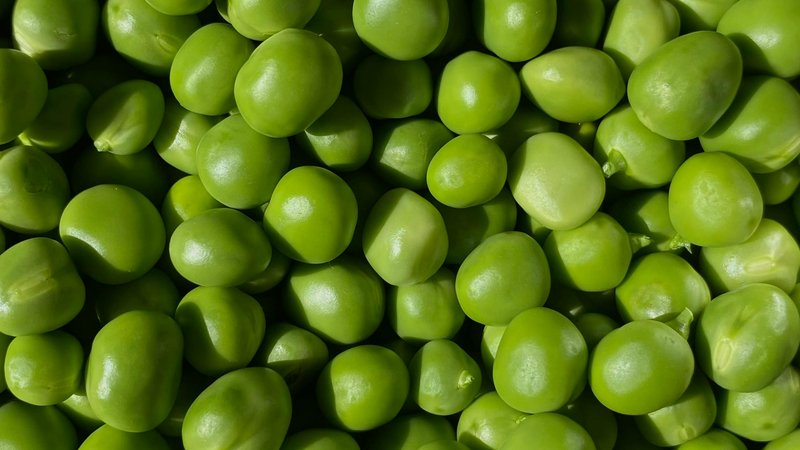
Garden peas, snap peas, and snow peas are all safe for dogs to eat. Each variety offers slightly different textures, but all are nutritionally similar and generally well-tolerated.
Split peas are also safe and are sometimes found in homemade dog food recipes. If you enjoy preparing fresh meals for your pup, split peas can complement recipes like homemade venison dog food as a nutritious, affordable addition.
Avoid feeding your dog peas still in a tough pod that could pose a choking hazard, especially for smaller breeds. Always remove hard shells and serve the inner peas only when in doubt.
Health Considerations for Dogs with Specific Conditions
Dogs with kidney disease require special dietary attention. Peas are relatively high in potassium, and according to veterinary guidance, dogs with elevated potassium levels may need to limit high-potassium foods like peas, carrots, and broccoli.
If your dog has been diagnosed with kidney disease or any chronic condition affecting organ function, always consult your veterinarian before introducing new foods — including peas.
There is also ongoing discussion in the veterinary community about a potential link between legume-heavy diets and dilated cardiomyopathy (DCM) in dogs. While research is still evolving, moderation remains the wisest approach.
Allergic Reactions and Digestive Sensitivities
True food allergies in dogs are rare, but they do occur. Signs of a genuine allergic reaction can include hives, facial swelling, or breathing difficulties — symptoms that require immediate veterinary attention.
More commonly, dogs experience food intolerances rather than true allergies. These tend to show up as generalized itchiness, gas, bloating, or loose stools after eating a new food like peas.
If you notice any digestive upset after introducing peas, simply remove them from your dog’s diet and monitor for improvement. When exploring new foods, the same cautious approach applies whether you’re offering peas or something like sesame seeds.
Portion Control and Weight Management Benefits
One of the biggest advantages of peas as a dog treat is their low calorie count. They allow you to reward your dog frequently without contributing to unwanted weight gain.
Peas are also high in fiber, which promotes satiety. Dogs on a weight management plan can benefit from the filling nature of fiber-rich foods, as high-fiber foods help reduce overall calorie intake by keeping hunger at bay.
Keep portions small — a tablespoon or two for a medium-sized dog is more than sufficient. Treats of any kind, including healthy vegetables, should make up no more than ten percent of your dog’s daily caloric intake.