









Cod is a mild, white-fleshed fish that many dog owners wonder about adding to their pet’s bowl. The good news is that cod is generally safe and nutritious for dogs when prepared correctly.
Understanding the right way to serve it — and how much to offer — makes all the difference between a healthy treat and an unnecessary risk.
Nutritional Profile and Health Benefits of Cod for Dogs
Cod is a lean, low-calorie protein source that supports muscle maintenance and healthy body weight in dogs. It delivers essential amino acids without the heavy fat load found in some other proteins.
It also contains meaningful amounts of omega-3 fatty acids, which support skin health, coat shine, and reduce inflammation. According to the AKC’s nutritional guidance, these fatty acids play a key role in keeping dogs healthy across all life stages.
Cod provides B vitamins, phosphorus, and selenium as well. These nutrients support energy metabolism, bone health, and immune function in dogs.
If you’re exploring other fish options that are safe and beneficial for dogs, cod ranks among the most accessible and well-tolerated choices available.
Safe Preparation Methods: Cooked, Frozen, and Raw Considerations
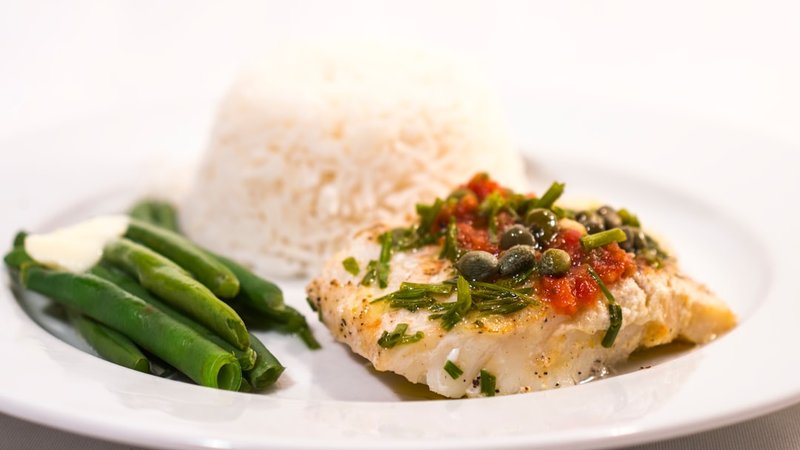
Plain, cooked cod is the safest way to serve this fish to your dog. Baking, steaming, or poaching without any added oils, seasonings, garlic, or onions keeps it dog-friendly.
Frozen cod is fine as long as it is fully thawed and cooked before serving. Never offer frozen fish straight from the freezer, as it can cause digestive discomfort.
Raw cod carries a risk of parasites and harmful bacteria. Most veterinary nutritionists recommend avoiding raw fish unless it has been commercially frozen at temperatures proven to eliminate parasites.
Smoked or heavily salted cod should always be avoided. The preparation process used for human snacks introduces sodium levels that are dangerous for dogs. For a deeper look at similar concerns, the risks around smoked fish and dogs follow the same logic.
Mercury Content and Heavy Metal Safety in Cod
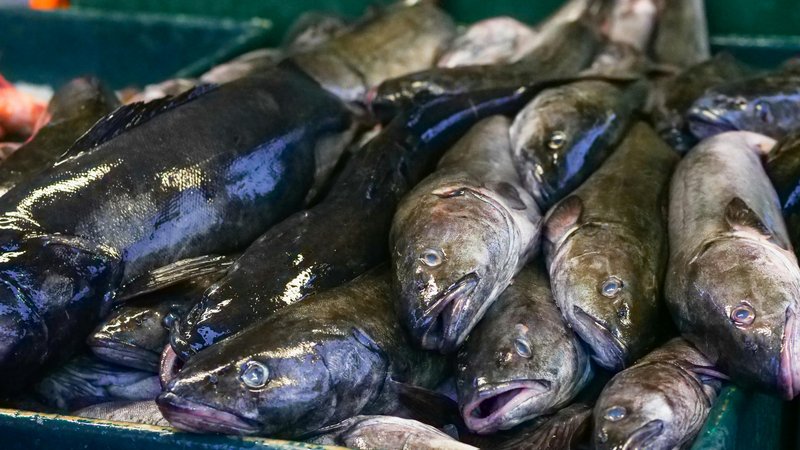
One of the biggest concerns with fish is mercury exposure. Fortunately, cod is considered a low-mercury fish, making it a safer regular option compared to larger predatory species like tuna or swordfish.
Chronic mercury exposure can cause serious neurological and kidney damage in dogs, as outlined in MSD Veterinary Manual’s overview of mercury poisoning in animals. Choosing lower-mercury fish like cod significantly reduces this risk.
For comparison, black cod (sablefish) is notably higher in omega-3s than salmon and also remains lower in mercury than tuna — though it is a distinctly different species from Atlantic or Pacific cod.
Portion Control and Age-Specific Feeding Guidelines
Cod should be offered as a treat or supplement, not as a replacement for a complete, balanced diet. A general guideline is that fish treats should make up no more than 10% of your dog’s daily caloric intake.
Puppies have developing digestive systems and should receive only very small amounts of cod. The AAHA’s breed-specific life stage guidelines highlight that certain breeds carry gastrointestinal sensitivities that require extra caution when introducing new foods.
Senior dogs can benefit from the anti-inflammatory omega-3s in cod, especially those managing joint stiffness. However, portion sizes should still be modest, and any dietary changes should be discussed with a veterinarian.
As noted by Petfinder’s life stage overview, adult and senior dogs are emotionally and physically mature, which also means their metabolic needs differ meaningfully from those of growing puppies.
Potential Risks and Signs of Adverse Reactions
Some dogs can be allergic or sensitive to fish proteins, including cod. Signs of a reaction include itching, hives, vomiting, diarrhea, or facial swelling after eating.
Bones are another hazard. Cod bones are small and can splinter, creating a choking risk or causing internal injury. Always ensure the fish is completely deboned before serving.
Introduce cod gradually and monitor your dog for 24 to 48 hours after the first serving. If any digestive upset or allergic symptoms appear, discontinue feeding and consult your veterinarian promptly.
Overall, cod is a smart, low-risk fish choice for most healthy dogs when served plain, cooked, and in appropriate portions tailored to their size and life stage.