

When you purchase through links on our site, we may earn a commission at no extra cost to you. Learn more.
Your dog isn’t hiding under the bed. They aren’t barking at every leaf that blows across the yard. They don’t look panicked.
So, they’re probably fine, right? Maybe.
The tricky thing about stress is that dogs don’t always make a big production out of it. Sometimes the signs are so subtle they’re easy to write off as one of your dog’s many weird little personality traits.
“Oh, that’s just something he does.“
Until you stop and realize he only seems to do it during car rides, when company comes over, or five minutes before walking into the vet’s office.
Dogs are constantly telling us how they’re feeling. The problem isn’t that they aren’t communicating — it’s that we don’t always recognize what they’re trying to say.
Learning to spot these subtle signals can help you step in before your dog’s stress builds into something bigger, making it easier to help them feel safe and comfortable when they need it most.
Common Situations That Quietly Stress Dogs
Stress isn’t always caused by something scary. Sometimes it’s simply the result of too much — too much excitement, too much noise, too much change, or too much happening all at once.
Not every dog reacts to the same things. What barely registers for one pup may feel overwhelming to another.
Before you start looking for subtle stress signals, it helps to think about what was happening at the time. Many dogs show these behaviors during everyday situations like:
- Veterinary visits
- Car rides
- Thunderstorms or fireworks
- Visitors arriving at your home
- Meeting unfamiliar people or dogs
- Grooming or nail trims
- A move or major change in routine
- Construction, loud noises, or other sudden changes in the environment
- Boarding or staying somewhere unfamiliar
- Holiday gatherings or other busy family events
The trigger itself isn’t the important part. What’s important is noticing whether your dog’s behavior changes consistently during one or more of these situations.
10 Signs Your Dog May Be Secretly Stressed
Dogs often show stress long before they bark, growl, or try to escape a situation. In many cases, the earliest clues are small changes in body language or everyday behavior that are easy to overlook if you don’t know what to watch for.
Remember, one sign by itself doesn’t automatically mean your dog is stressed. Instead, look for behaviors that seem unusual for your pup, especially if they appear during situations that might feel overwhelming or if several of these signals happen at the same time.
1. They Yawn When They Aren’t Tired
Most yawns have absolutely nothing to do with stress. Dogs yawn when they’re sleepy, waking up from a nap, or getting ready to settle in for the evening. That’s perfectly normal.
But a yawn that appears in the middle of an uncomfortable situation can mean something very different.
Stress yawns are often:
- Bigger or more exaggerated than an ordinary yawn
- Repeated several times within a few minutes
- Accompanied by turning the head away or avoiding eye contact
The yawn itself isn’t the important part; it’s the timing. A yawn before bedtime is probably just a sleepy dog. A yawn that suddenly appears during an uncomfortable interaction may be one of your dog’s first ways of saying, “I’m not so sure about this.”
2. They Lick Their Lips Or Nose
You’re introducing your dog to a friend. Everyone says hello, someone reaches down for a quick pat, and your dog gives a tiny flick of their tongue across their nose.
It happens so fast you barely notice it.
That quick tongue flick can be an early stress signal, especially when it appears during an interaction your dog finds uncomfortable. Unlike the long, sloppy lip licking that happens when you’re opening the treat jar, this is often just a brief lick that’s easy to miss.
Context matters. If you’re filling the food bowl, lip licking is probably just anticipation. But if it appears while your dog lowers their head, turns their face away, or looks uncomfortable, they’re likely communicating something entirely different.
Think of it as your dog’s polite way of saying, “I’d really like a little more space, please.” If that request goes unnoticed, some dogs may eventually feel the need to communicate more clearly by backing away, barking, or growling.
3. They Show The Whites Of Their Eyes (“Whale Eye”)
Have you ever noticed your dog looking at something without actually turning their head? Instead, their eyes shift to the side, revealing a crescent of white around the edge.
That’s commonly called “whale eye,” and it’s one of the easiest stress signals to overlook if you don’t know what you’re seeing.
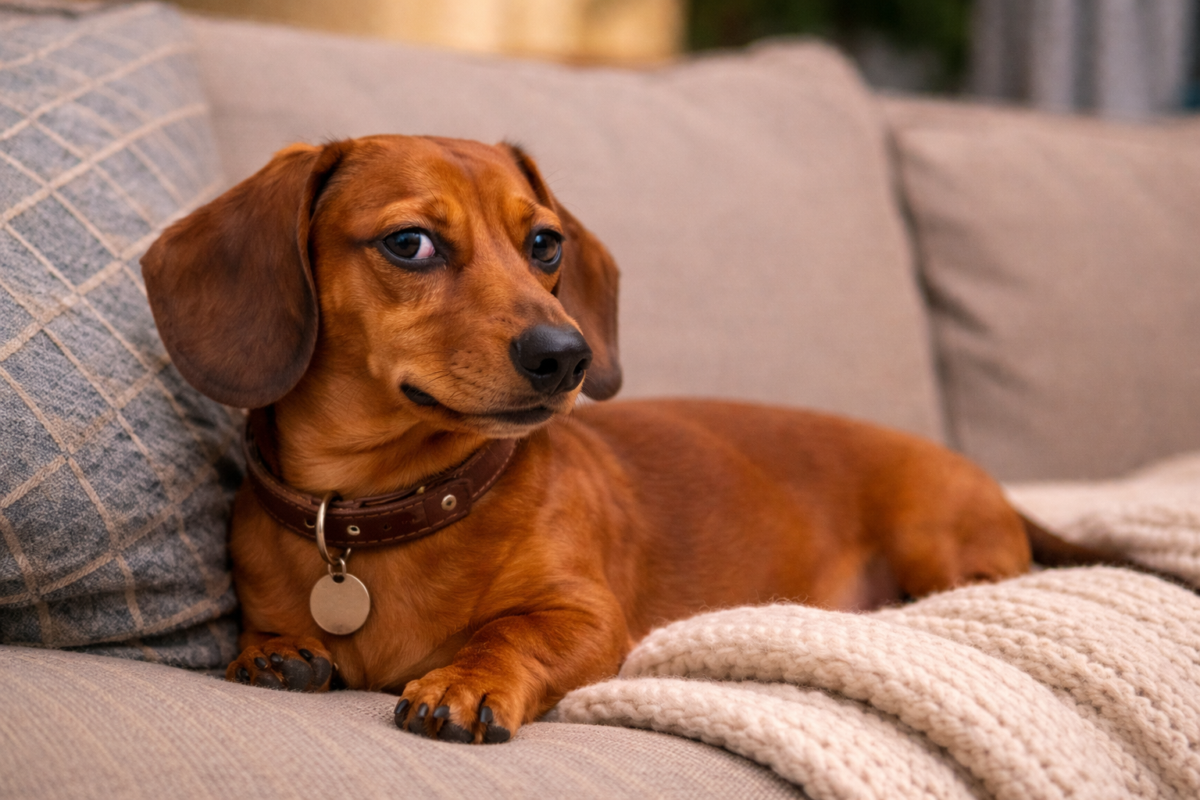
Whale eye doesn’t automatically mean a dog is about to bite. More often, it’s a sign they’re feeling uncomfortable, uncertain, or conflicted about what’s happening.
Pay attention if you also notice:
- A stiff body or frozen posture
- A tightly closed mouth
- Turning the head away while keeping their eyes on the situation
- Little movement, as though they’re waiting to see what happens next
Some dogs naturally show more of the whites of their eyes than others because of their facial structure, so look for a change from your dog’s normal expression rather than comparing them to another dog.
Think of whale eye as your dog’s way of saying, “I’m keeping a very close eye on this.” Recognizing that subtle signal gives you a chance to ease the pressure before your dog feels they need to communicate more loudly.
4. They Start Panting Even Though They Aren’t Hot
The air conditioner is running. Your dog hasn’t been chasing squirrels or playing fetch. In fact, they’ve barely moved for the last 20 minutes.
So why are they panting?
Panting doesn’t always mean a dog is overheated. While it’s a normal way for dogs to cool themselves after exercise or on a hot day, it can also be a response to stress, anxiety, pain, or excitement.
You may also notice your dog:
- Pacing instead of settling down
- Looking unusually alert or tense
- Drooling more than normal
- Having little interest in treats or toys they usually enjoy
Again, context is everything. A dog panting after a game of fetch is completely normal. A dog panting in a cool room before a vet appointment or while fireworks boom outside is telling a very different story.
Stress Isn’t The Only Possibility
Panting without heat or exercise can also be caused by pain, respiratory disease, heart problems, or other medical conditions. If it happens frequently or is accompanied by coughing, weakness, or pale gums, contact your veterinarian.
5. They Pace Or Can’t Seem To Settle Down
You finally sit down after a long day. Your dog lies on their bed…then gets back up. Walks into the kitchen. Comes back. Checks the front door. Circles the living room. Lies down again for about 30 seconds before starting the whole routine over.
If you’ve ever caught yourself thinking, “Will you just pick a spot already?” stress could be part of the answer.
Pacing isn’t always a sign your dog needs more exercise. Sometimes, it’s a sign they can’t quite relax, even though they want to.
Unlike a dog that’s purposefully walking around to investigate something, a stressed dog often seems unable to get comfortable. They may:
- Move from room to room without settling
- Lie down briefly, then immediately get back up
- Check windows or doors repeatedly
- Walk back and forth along the same path
Sometimes, your dog isn’t searching for something — they’re searching for a way to feel comfortable again. That’s why giving them a quiet, familiar place to decompress can often help more than encouraging another lap around the house.
6. They Hide Or Suddenly Avoid Interaction
Some dogs are naturally independent. They enjoy curling up under the dining room table or disappearing into another room for an afternoon nap. That’s just their personality.
The behavior becomes more meaningful when a dog that normally enjoys being part of the action suddenly starts opting out.
You might notice your dog:
- Leaving the room when visitors arrive
- Hiding behind furniture or in a bedroom
- Refusing to enter a room they usually enjoy
- Avoiding being petted or handled
- Keeping their distance while everyone else is gathered together
It’s easy to think your dog is being unsociable, but creating distance is often a coping strategy. Rather than barking, growling, or making a scene, some dogs simply choose to remove themselves from a situation that feels overwhelming.
Giving your dog that space often prevents the situation from becoming more stressful. Many dogs calm down once they realize they don’t have to stay in a situation that’s making them uncomfortable.
Don’t Ignore Sudden Withdrawal
If your dog starts hiding much more than usual, especially if they also avoid touch, move stiffly, or seem physically uncomfortable, don’t assume it’s behavioral. Medical problems often cause dogs to withdraw, too.
7. They Become Unusually Clingy
Some dogs have always been your shadow. They follow you from room to room because that’s who they are.
Then there’s the dog who suddenly decides you shouldn’t even be allowed to use the bathroom without supervision.
Stress doesn’t always make dogs want to be alone. For some, it has the opposite effect. Instead of withdrawing, they stay as close to a trusted person as possible.
You may notice your dog:
- Following you more closely than usual
- Pressing against your legs or leaning into you
- Wanting to be picked up or cuddled more often
- Waiting outside the bathroom or bedroom door
- Getting up every time you move to another room
The key is looking for a change from your dog’s normal behavior. A naturally affectionate Velcro dog isn’t necessarily stressed. But if your usually independent pup suddenly acts like they’ve been assigned to your personal security team, it’s worth paying attention.
Staying close isn’t always about seeking comfort. Dogs also look to people they trust for information. By keeping you within sight, they may be watching your reactions to help decide whether the situation is safe.
8. Their Appetite Changes
Your dog has never met a treat they didn’t like. Then one day, you’re holding their absolute favorite snack, and they barely give it a sniff.
That can be a clue that something bigger than hunger is going on.
Stress affects dogs in different ways, and appetite doesn’t always change in the same direction. While some dogs lose interest in food, others become more food-focused.
Some dogs may:
- Eat more slowly than usual
- Walk away from a meal
- Ignore a favorite treat
- Seem too distracted to eat
Others may:
- Beg more than usual
- Scavenge for food around the house
- Chew obsessively on toys or other objects
The biggest clue isn’t whether your dog eats more or less — it’s whether their eating habits suddenly change during situations they normally handle well. A Labrador turning down a piece of chicken during a stressful event is telling you something very different than one who happily inhales it.
When It’s Probably Not Just Stress
If your dog’s appetite changes last more than a day or two or are accompanied by vomiting, diarrhea, lethargy, increased thirst, or obvious pain, it’s time to schedule a veterinary visit.
9. Their Sleep Changes Or They Seem Restless At Night
You finally turn off the lights, expecting everyone in the house to settle down.
Instead, your dog gets up, walks into the hallway, comes back, lies down, gets back up again, and repeats the routine like they’re doing one last security patrol before bed.
Stress doesn’t always end when the stressful event is over. Sometimes, it lingers long enough to affect how well your dog rests, especially if they’ve had a particularly overwhelming day.
You might notice your dog:
- Having trouble settling down at bedtime
- Waking up more often during the night
- Sleeping somewhere unusual
- Startling at small sounds
- Sleeping more during the day after a restless night
- Remaining unusually alert when the house is quiet
Sleep changes can happen after:
- A recent move
- Construction or other persistent noise
- A new baby or pet
- Changes to the household routine
- Wildlife or unfamiliar sounds outside
- A stressful or exciting day
Unlike a quick yawn or lip lick, sleep changes can tell you your dog’s nervous system hasn’t fully settled down.
A Restless Night Or Something More?
Occasional restless nights happen. Repeated nighttime pacing, confusion, vocalizing, or difficulty settling, especially in older dogs, deserve a veterinary evaluation.
10. They Freeze, Turn Away, Or Avoid Eye Contact
Imagine someone keeps leaning closer to you while you quietly lean farther away. You don’t yell. You don’t shove them. You’re simply hoping they’ll take the hint.
Dogs often communicate the same way.
One of the most misunderstood stress signals is when a dog suddenly becomes very still. Many owners assume a frozen dog has calmed down, but stillness isn’t always a sign of relaxation. Sometimes, it’s a sign your dog is unsure what to do next.
You may notice your dog:
- Freezing for a few seconds
- Closing their mouth after it was relaxed
- Turning their head away
- Avoiding direct eye contact
- Leaning away from the interaction without leaving
These behaviors commonly happen when someone is:
- Reaching for your dog’s collar
- Leaning over them
- Trying to hug them
- Grooming or handling them
- Posing them for photos
- Taking away a toy, chew, or bed
It’s easy to mistake these subtle signals for stubbornness, guilt, or a dog that’s simply ignoring you. In reality, many dogs are trying to reduce social pressure without creating conflict. Turning away or avoiding eye contact can be a polite way of saying, “I’m uncomfortable with this.”
If you notice your dog freeze or begin turning away, the best response is usually to pause rather than push forward. Giving them a little space and reassessing the situation often prevents them from feeling they need to communicate more clearly.
Unlike many of the earlier signs in this article, this one often tells you what to do next: stop, give your dog a moment, and let them decide whether they’re comfortable continuing the interaction.
What To Do If You Notice These Stress Signals
Spotting the signs is only half the equation. How you respond can make a big difference in whether your dog begins to relax or feels even more overwhelmed.
The good news? You don’t need to solve the entire problem in that moment. Often, small changes to the environment are enough to help your dog feel more comfortable.
Look For What Changed First
One of the biggest mistakes owners make is looking only at the behavior.
Instead, take a step back and ask yourself: What changed right before your dog started acting differently?
Dogs don’t experience stress in a vacuum. Often, the environment changes first, and their behavior changes second. The more often you connect those two pieces, the easier it becomes to recognize what your dog may be reacting to.
| If This Changed… | You Might Notice… | It Could Mean… |
|---|---|---|
| Visitors arrived | Lip licking, pacing, hiding | Your dog may be feeling socially overwhelmed or overstimulated. |
| The car started moving | Panting, drooling, freezing | Travel anxiety or motion sickness could be making the ride stressful. |
| A loud noise began | Clinginess, trembling, trying to leave the room | Your dog may be sensitive to sudden or unfamiliar sounds. |
| Your routine suddenly changed | Sleeping differently, eating less, restlessness | Dogs often notice changes in predictability more than we realize. |
| Someone reached toward a toy, bed, or your dog | Whale eye, freezing, turning away | Your dog may be uncomfortable with the interaction and asking for more space. |
Reduce The Pressure
If your dog is showing subtle signs of stress, avoid forcing them to “push through it.”
Instead, try to:
- Give them more space
- Move them farther from whatever is bothering them
- Ask visitors to let your dog approach on their own terms
- Pause grooming, handling, or photo sessions if your dog seems uncomfortable
- Lower the noise or excitement whenever possible
Give Them A Safe Place To Decompress
Many dogs settle much faster when they have somewhere familiar to retreat.
That might be:
- Their favorite bed
- An open crate they already enjoy using
- A quiet bedroom away from guests
- A peaceful corner of the house with fewer distractions
The goal isn’t to isolate your dog. It’s to give them the option to take a break if they need one.
Respect What Your Dog Is Telling You
Many of the signals in this article — turning away, freezing, lip licking, or walking away — are your dog’s polite attempts to communicate.
If those signals are ignored, some dogs eventually feel they need to communicate more loudly.
Listening to those early whispers helps prevent everyone from reaching that point.
Know When It’s Time To Call Your Veterinarian
Stress isn’t always the explanation.
If your dog’s behavior changes suddenly, becomes more frequent, or doesn’t improve after the stressful situation has passed, schedule a veterinary visit. The same is true if you notice symptoms such as:
- Vomiting or diarrhea
- Loss of appetite that persists
- Lethargy
- Signs of pain
- Changes in mobility
- Persistent panting or restlessness without an obvious cause
Is It Stress, Excitement, Or A Medical Problem?
Many of the signs in this article don’t point to just one explanation. Panting, pacing, appetite changes, and other issues can happen for perfectly normal reasons—or they may signal stress or an underlying health problem.
This table isn’t meant to diagnose your dog. Instead, it can help you think through what you’re seeing and when it’s worth taking a closer look.
| If You Notice… | Stress Is More Likely When… | Check With Your Veterinarian When… |
|---|---|---|
| Panting | It starts around a recognizable trigger, such as a thunderstorm, car ride, or vet visit. | It happens frequently at rest, appears suddenly without an obvious reason, or occurs with coughing, weakness, or other symptoms. |
| Appetite changes | Your dog skips meals or treats during travel, boarding, or another stressful event. | The appetite change lasts more than a day or two or is accompanied by vomiting, diarrhea, increased thirst, or lethargy. |
| Hiding | It begins when guests arrive, loud noises start, or your dog is feeling socially overwhelmed. | Your dog also seems painful, weak, avoids being touched, or withdraws for no obvious reason. |
| Restlessness | It follows a disruption to your dog’s routine or another temporary stressor. | It becomes frequent, severe, continues without an obvious trigger, or interferes with normal daily life. |
Signs Your Dog’s Stress Is Becoming A Bigger Issue
Every dog experiences stress from time to time. A stressful trip to the veterinarian or a loud Fourth of July celebration doesn’t automatically mean your dog has an anxiety disorder.
The bigger concern is when stress stops being temporary.
Instead of bouncing back once the situation is over, your dog may begin reacting more often, more intensely, or to things that never bothered them before.
That might look like:
- Taking longer to relax after a stressful event
- Reacting before the trigger even happens (such as becoming anxious as soon as you pick up the car keys or grab the leash)
- Avoiding more people, places, or situations over time
- Developing destructive behaviors or trying to escape
- Having accidents in the house despite being reliably house-trained
- Refusing food or treats during situations they previously handled well
- Beginning to growl, lunge, or snap when they feel overwhelmed
- Struggling to enjoy normal daily activities because they’re constantly on edge
These changes suggest your dog’s stress may be affecting their overall quality of life, rather than being tied to a single event.
If you’re seeing this pattern, don’t wait until the behavior becomes more serious. Your veterinarian can recommend behavioral therapy to help your dog feel more confident and comfortable again.
Frequently Asked Questions
Dog stress can be surprisingly difficult to interpret because many stress signals overlap with excitement, fatigue, pain, and even your dog’s normal quirks. Here are answers to some of the questions owners ask us most often. Don’t see yours here? Ask us in our comments.
Can A Dog Be Stressed Without Whining Or Shaking?
Absolutely. Many dogs show stress through subtle body language rather than dramatic reactions. A quick lip lick, turning away, panting, pacing, hiding, or suddenly becoming clingy can all be ways your dog communicates they’re feeling overwhelmed without making a sound.
Can Dogs Pick Up On Their Owner’s Stress?
Yes. Dogs are incredibly observant and notice changes in your body language, tone of voice, facial expressions, daily routine, and overall behavior. If you’re acting differently, your dog may respond to those changes, even if they don’t understand exactly what’s causing them.
Does A Wagging Tail Mean My Dog Isn’t Stressed?
No. A wagging tail doesn’t automatically mean a happy dog. Dogs also wag their tails when they’re excited, uncertain, conflicted, or highly alert. To understand how your dog is feeling, look at the rest of their body, including their ears, posture, facial expression, and overall movement.
Why Does My Dog Seem Exhausted After A Stressful Day?
Stress takes energy. After spending time panting, pacing, staying alert, or processing an overwhelming situation, many dogs need extra rest. It’s not unusual for a dog to sleep more than usual after visitors leave, a long trip, a boarding stay, or a veterinary appointment.
Should I Comfort My Dog When They’re Stressed?
If your dog seeks you out, your calm presence can absolutely be reassuring. Sit with them, speak softly, or let them lean against you if they choose. What you should avoid is forcing hugs, restraining them, or preventing them from moving away if they’d rather create some space.
How Long Should It Take A Dog To Calm Down?
There’s no single timeline because every dog and every situation is different. The more important question is whether your dog begins relaxing once the stressful event has passed. If they remain anxious long afterward or recovery seems to take longer over time, it’s worth discussing with your veterinarian.
Can Stress Make My Dog Shed More?
Yes. Acute stress can trigger sudden shedding in some dogs, especially during veterinary visits, grooming appointments, car rides, or other stressful situations. It can happen so quickly that you leave with enough fur to wonder where it all came from.
However, shedding isn’t a reliable stress signal on its own. Breed, coat type, and seasonal shedding usually play a much bigger role.
If you notice bald patches, excessive itching, skin redness, or ongoing hair loss, your veterinarian should check for an underlying medical condition rather than assuming stress is the cause.
The Smallest Clues Often Tell You The Most About Your Pup
The more you learn your dog’s everyday habits, the easier it becomes to spot the moments when something isn’t quite right. Those subtle signals are your dog’s way of communicating long before stress turns into a bigger problem.
Want to better understand what’s going on inside your dog’s mind? These guides can help you continue reading their behavior and build an even stronger bond:
What’s the easiest-to-miss stress signal you’ve noticed in your own dog? We’d love to hear your story in the comments—your experience might help another dog owner recognize the signs a little sooner.