

As an Amazon Associate I earn from qualifying purchases. Learn More
Updated May 2026
Chihuahuas often get labeled as “yappy,” nervous, or aggressive, but most of the time those behaviors come from fear and lack of proper socialization — not because they’re “bad dogs.” A well-socialized Chihuahua can be friendly, confident, adaptable, and surprisingly brave for such a tiny pup.

The key is helping your Chihuahua feel safe while slowly introducing them to new people, sounds, places, and experiences in a positive way.
And despite what many people think, socialization isn’t just for puppies. Adult and rescue Chihuahuas can absolutely learn to become more comfortable and confident, too.
What Does Socialization Really Mean?
Many people think socialization means forcing a dog to meet everyone they see. It doesn’t.
Proper socialization means helping your Chihuahua learn that new experiences are safe and nothing to fear. The goal isn’t to create a dog that wants to greet every person and dog they see. The goal is to create a dog that can calmly exist in the world without panic, fear, or reactivity.
Good socialization helps prevent:
- Fearfulness
- Excessive barking
- Aggression
- Anxiety
- Separation issues
- Overprotective behavior
- Fear of grooming or vet visits
Why Chihuahuas Often Struggle With Socialization
Chihuahuas are tiny dogs living in a very large world. Things that seem harmless to us can feel scary to them.
Some common reasons Chihuahuas become fearful or reactive include:
- Being carried everywhere instead of being allowed to explore
- Rough handling from children or strangers
- Bad experiences with larger dogs
- Lack of exposure during puppyhood
- Owners accidentally encourage fearful behavior
- Being constantly protected instead of being taught confidence
- Genetic temperament traits
Because they’re small, many people ignore their boundaries. A Chihuahua that feels cornered or unsafe may bark, snap, or tremble simply because they don’t know how else to respond.
When Should You Start Socializing a Chihuahua?
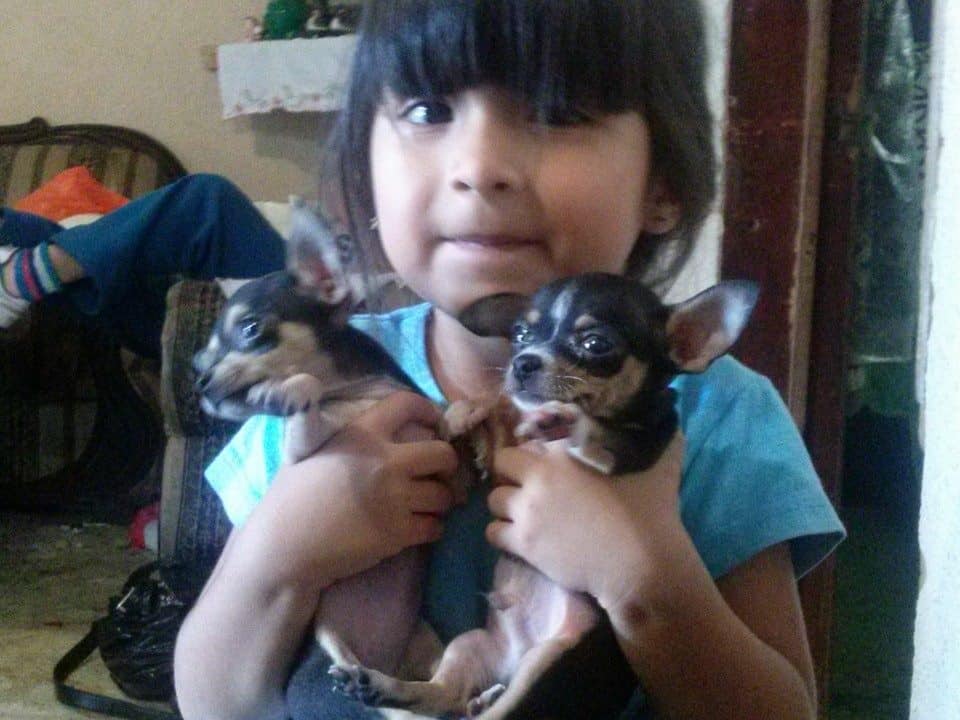
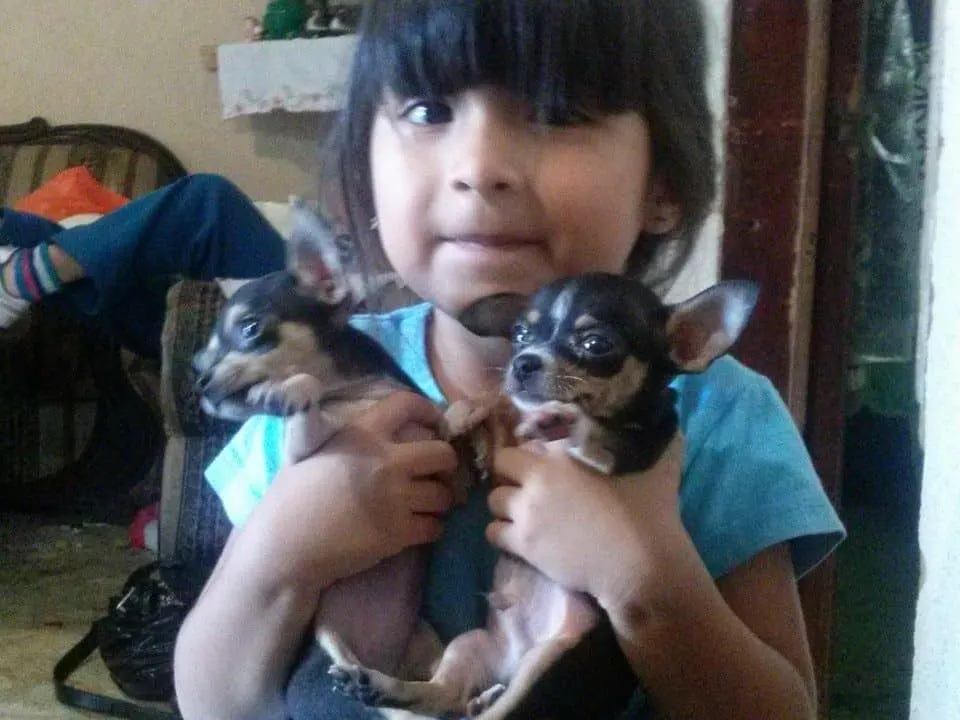
The best time to socialize a Chihuahua puppy is between 3 and 16 weeks of age. During this time, puppies are especially open to learning about the world around them.
But that does NOT mean older Chihuahuas are hopeless. Adult dogs can still learn confidence and new behaviors with patience and positive experiences.
Start Slow and Keep Experiences Positive
One of the biggest mistakes owners make is overwhelming their Chihuahua.
Instead of:
- Crowded festivals
- Busy dog parks
- Large groups of strangers
start with calm, low-pressure experiences.
For example:
- One friendly visitor at home
- A quiet walk
- Sitting outside a pet store
- Watching people from a distance
- Meeting one calm dog at a time
Give treats, praise, and reassurance during these experiences so your Chihuahua begins associating new things with good outcomes.
2. Socialize Your Chihuahua Safely Before Being Vaccinated
Many puppy owners worry about parvo and other illnesses, and rightly so. But puppies still need safe exposure to the world before they finish their vaccinations.
Safe socialization ideas include:
- Carrying your puppy in public
- Using a stroller or wagon
- Visiting friends with healthy vaccinated dogs
- Sitting outside stores to watch people
- Short car rides
- Exposure to normal household sounds
Avoid:
- Unknown dog parks
- Public potty areas
- Contact with unvaccinated dogs
Always ask your veterinarian what’s safest for your area.
3. Introduce New Sounds and Sights
Many Chihuahuas become fearful simply because everyday things seem unfamiliar.
Expose your Chihuahua gradually to:
- Doorbells
- Vacuum cleaners
- Thunder sounds
- Traffic
- Children playing
- Umbrellas
- Hats
- Bicycles
- Grooming tools
Keep these experiences calm and reward relaxed behavior with treats and praise.
4. Teach Your Chihuahua to Be Comfortable With Handling
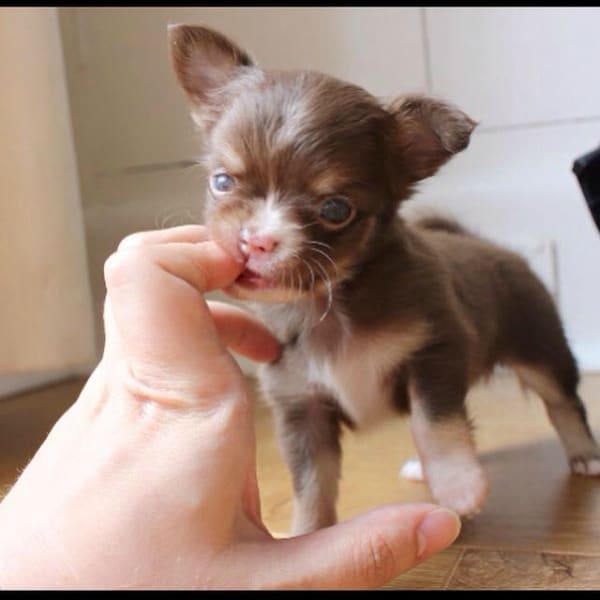
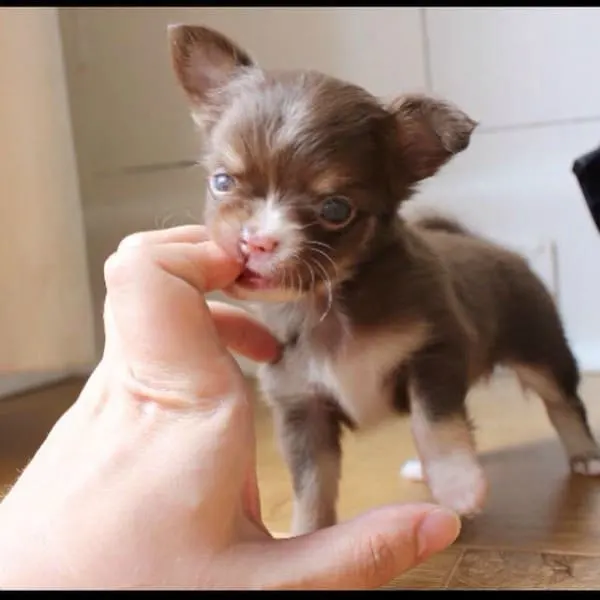
Tiny dogs are often picked up constantly, but many aren’t taught how to calmly accept handling.
Practice gently:
- Paw touching
- Ear checks
- Teeth brushing
- Nail handling
- Harness fitting
- Brushing
This helps tremendously with:
- Grooming appointments
- Vet visits
- Nail trims
- Dental care
A Chihuahua that trusts handling is usually far less anxious overall.
You may also like reading about Chihuahua dental care and anxiety in Chihuahuas.
5. Let Your Chihuahua Explore Independently
Many Chihuahua owners unintentionally create fearfulness by carrying their dogs everywhere.
Of course, there are times when carrying your Chihuahua is safest, but whenever possible, allow them to:
- Walk on their own
- Sniff
- Explore safely
- Make choices
- Build confidence
Confident dogs are created through experience.
6. Watch for Signs Your Chihuahua Is Overwhelmed
If your Chihuahua becomes too stressed, learning stops.
Watch for signs like:
- Lip licking
- Yawning
- Trembling
- Tucked tail
- Freezing
- Hiding
- Barking excessively
- Refusing treats
- Trying to escape
If you notice these behaviors, calmly create more distance and make the situation easier.
Never punish fearful behavior. Fear should be handled with patience, not correction.
7. Avoid Forcing Interactions
One of the fastest ways to create fear is forcing your Chihuahua into situations they aren’t ready for.
Don’t allow strangers to:
- Grab your dog
- Loom over them
- Corner them
- Pick them up without permission
Instead, let your Chihuahua approach people at their own pace.
Many Chihuahuas feel safer when strangers:
- Ignore them at first
- Avoid direct eye contact
- Toss treats gently nearby
- Let the dog make the first move
8. Carefully Introduce Other Dogs
Some Chihuahuas love other dogs. Others are intimidated, especially by larger breeds.
Choose calm, friendly dogs for introductions and avoid chaotic dog parks in the beginning.
Good introductions should happen:
- On neutral ground
- With leashes loose
- In calm environments
- At the dog’s pace
Watch body language carefully and keep interactions short and positive.
9. Socializing an Adult or Rescue Chihuahua
Many rescue Chihuahuas come from difficult situations. Some may have spent years isolated, neglected, or poorly socialized. Others may simply have had very little exposure to the outside world.
The good news is that adult Chihuahuas CAN improve tremendously with patience.
The biggest mistake people make with rescue dogs is trying to rush the process.
Your Chihuahua may need time to:
- Learn to trust
- Feel safe in your home
- Adjust to new routines
- Become comfortable with strangers
- Understand that the world isn’t dangerous
Start With Trust First
Before focusing on meeting strangers or dogs, help your Chihuahua feel secure with YOU.
Create a predictable routine:
- Consistent feeding times
- Quiet sleeping area
- Gentle handling
- Calm voice
- Positive reinforcement
Let them approach things at their own pace.
Use Distance to Reduce Fear
If your Chihuahua reacts to people or dogs, don’t force close interactions.
Instead:
- Stay far enough away that your dog stays calm
- Reward calm behavior with treats
- Slowly decrease the distance over time
This teaches your Chihuahua:
“Scary things predict good things.”
Celebrate Small Wins
For fearful rescue Chihuahuas, progress may look small at first.
Examples:
- Walking past someone calmly
- Accepting treats outdoors
- Exploring a new room
- Relaxing during walks
- Looking at another dog without barking
These are BIG victories for anxious dogs.
Don’t Expect a Social Butterfly
Some Chihuahuas may never love crowded environments or constant interaction, and that’s okay.
The goal is confidence and comfort — not forcing your dog to become someone they’re not.
Common Chihuahua Socialization Mistakes
Avoid these common mistakes:
- Forcing interactions
- Taking puppies to dog parks too early
- Carrying the dog constantly
- Punishing fearful behavior
- Allowing rough handling
- Overwhelming the dog
- Skipping socialization after puppyhood
- Comforting panic in an overly emotional way
Stay calm, patient, and consistent.
Chihuahua Socialization Checklist
Try exposing your Chihuahua positively to:
- Men with beards
- People wearing hats
- Children
- Car rides
- Vacuum cleaners
- Fireworks sounds
- Thunder sounds
- Grooming tools
- Friendly dogs
- Different floor textures
- Elevators
- Strollers
- Bikes
- Delivery people
- Doorbells
- Walks in new places
Keep experiences short, calm, and rewarding.


Final Thoughts
Socializing a Chihuahua isn’t about turning them into an outgoing party dog. It’s about helping them feel safe and confident in the world around them.
With patience, positive experiences, and gentle guidance, even nervous or rescue Chihuahuas can make incredible progress over time.
Some dogs move quickly. Others need months of slow confidence-building. That’s okay. The important thing is helping your Chihuahua feel secure, understood, and supported every step of the way.
At what age should you socialize a Chihuahua?
The ideal socialization period is between 3 and 16 weeks old, but Chihuahuas of any age can still benefit from positive socialization experiences.
Can an older Chihuahua still be socialized?
Yes. Adult and rescue Chihuahuas can absolutely become more confident and comfortable through slow, reward-based exposure and patience.
Why is my Chihuahua aggressive toward strangers?
Fear is one of the most common reasons Chihuahuas bark, snap, or act aggressively toward strangers. Proper socialization and confidence-building can help reduce this behavior.
Should I take my Chihuahua to dog parks?
Dog parks can overwhelm some Chihuahuas, especially puppies or fearful dogs. Controlled one-on-one interactions with calm dogs are usually safer and more effective.
How do I socialize a fearful Chihuahua?
Start slowly, use treats and praise, avoid forcing interactions, and reward calm behavior. Let your Chihuahua move at their own pace.
Is it normal for Chihuahuas to be nervous?
Many Chihuahuas are naturally cautious because of their tiny size, but proper socialization can help them become much more confident and relaxed.




Pet Blogger
I have had dogs all my life. I have been a pet groomer, worked in a pet hotel, and a kennel, and have bred and showed dogs.

Post Views: 7,908