

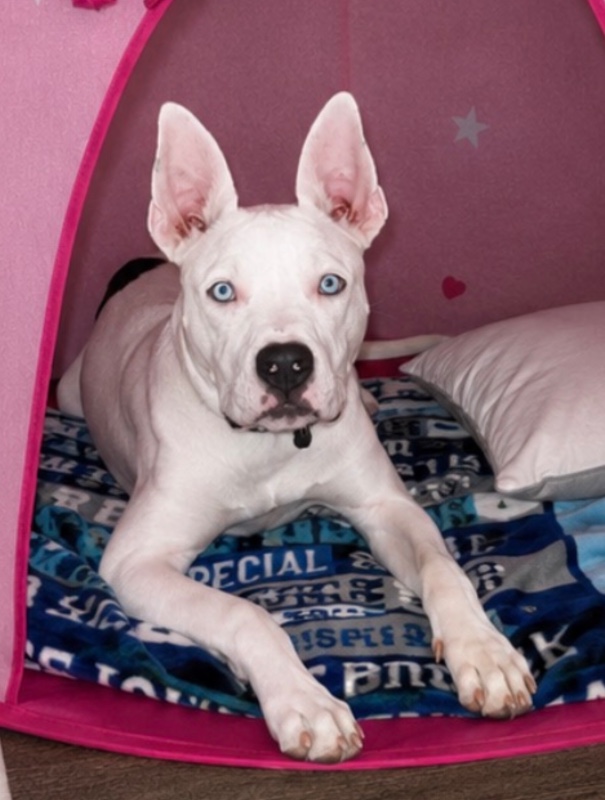
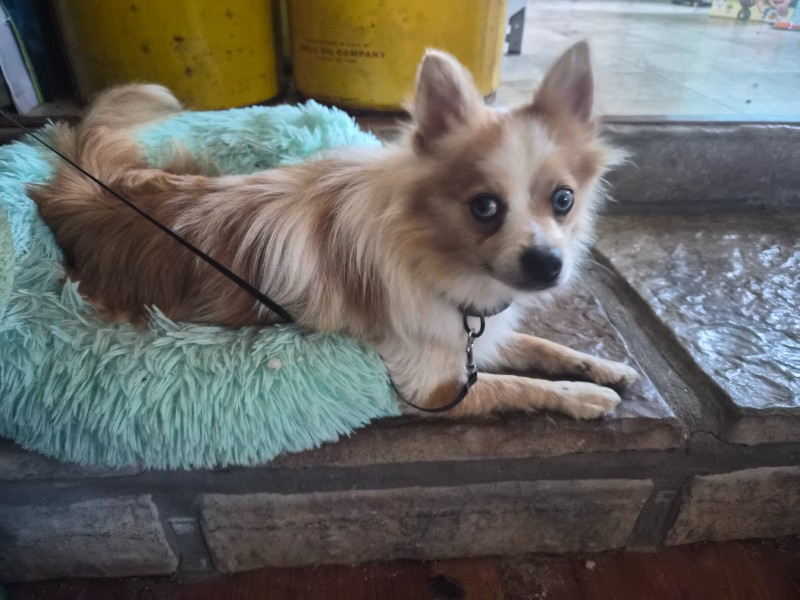




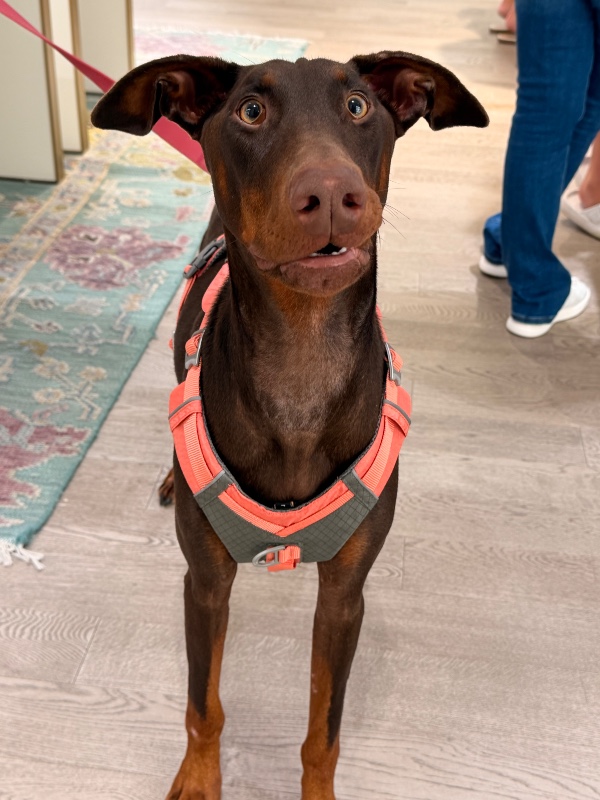



“Reactivity” is a broad term; it’s a term that has become almost meaningless in the world of dog behavior. It simply means the dog is overreacting to something in the environment (e.g., strangers, other dogs, certain sounds, motion, etc.). That reaction may include barking, lunging, whining, hiding, freezing, pulling away, or trying to escape.
Aggression is but one possible expression of reactivity. A dog can be reactive without being aggressive, and aggressive dogs normally show aggression only in very specific situations.
This distinction matters because labels shape treatment. If we call every reactive dog “aggressive,” we may overstate the risk. If we call every aggressive display “just reactivity,” we may understate the seriousness. Good behavior work starts with accurate observation.
Reactive dogs are overresponding to a trigger, whether through avoidance, freezing, or aggression, for example. All aggressive dogs are reactive, but not all reactive dogs are aggressive.
[This article is original content created by USA Dog Behavior (https://www.USADogBehavior.com) and is intended for our readers.]
Common Reasons Dogs Become Aggressive
1. Fear and Anxiety
This is one of the most common roots of aggression. A dog who feels threatened may use aggression to create distance. The trigger might be a person, another dog, a child, a visitor, a strange object, a loud sound, or a situation the dog does not understand.
The important point is this: the trigger does not have to be truly dangerous. It only has to feel dangerous to the dog.
2. Pain or Medical Problems
Pain can dramatically lower a dog’s tolerance. A dog with arthritis, dental pain, ear infections, gastrointestinal discomfort, neurological issues, or other medical problems may become irritable or defensive.
This is especially important when aggression appears suddenly or worsens without an obvious environmental change. In those cases, a veterinary exam is not optional. It is part of responsible behavior assessment.
3. Resource Guarding
Some dogs guard food, toys, resting places, bones, stolen objects, doorways, or even people. Resource guarding is rooted in the fear of losing access to something valuable.
Punishing guarding often makes it worse because it confirms the dog’s concern: “When people approach, bad things happen.” The proper treatment for this is 180-degrees apart from what most dog owners instinctively do.
4. Frustration
Frustration can turn into aggression, especially on leash or behind barriers. A dog who cannot get to another dog, person, squirrel, or exciting stimulus may escalate from pulling and whining into barking, lunging, or biting.
This is one reason leash reactivity can look so intense. The leash does not cause the underlying emotion, but it can intensify it. The dog is frustrated in their attempt to get to what they want to get to.
5. Genetics and Early Development
Genetics matter. Early socialization matters. Prenatal stress, litter environment, breed tendencies, early handling, and life experiences can all influence how a dog responds to stress.
This does not mean a dog is doomed. It means some dogs start life with a more sensitive nervous system, lower resilience, or a stronger tendency toward reactive behavior.
6. Learning History