





Credit: Faba-Photography | Getty Images
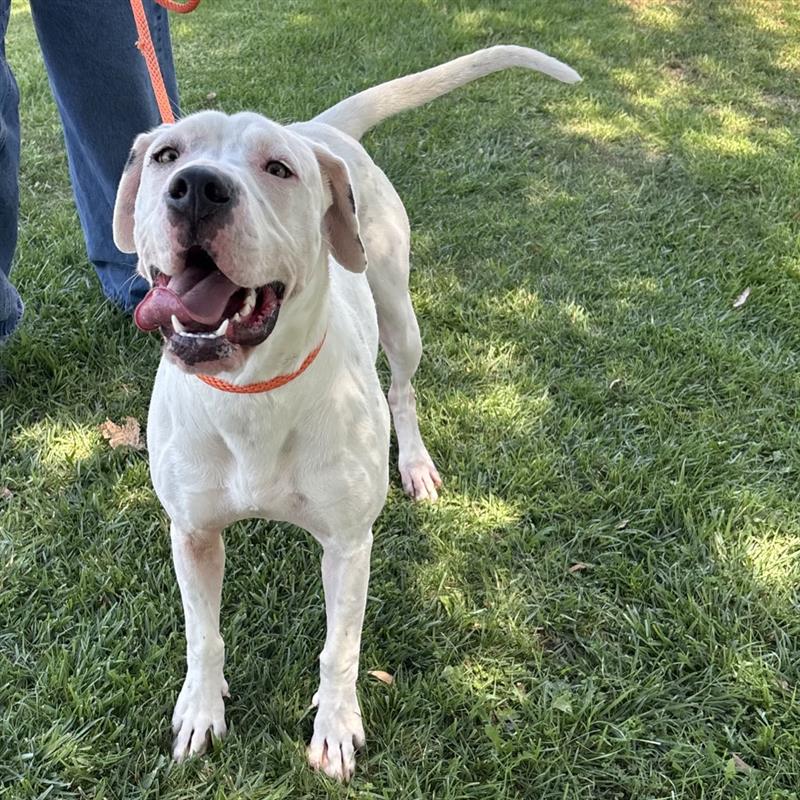
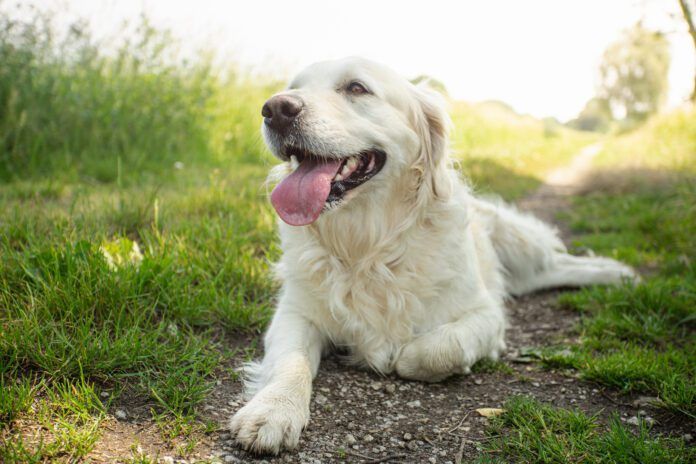
Dogs can have different types of heavy breathing. Panting is one version of increased respirations. Panting involves a rapid rate of breathing with a regular rhythm, open mouth, and a relaxed attitude. It can follow excitement, hard exercise, or anxiety.
If the panting is related to anxiety, your dog’s posture may be a tad stiff. Breathing tends to return to normal in five to 15 minutes, however. True panting is not an emergency. Panting doesn’t take much effort for the dog to do. It’s his main way of cooling his body.
What Does Labored Breathing Look Like?
Labored or hard breathing is respiration with effort. Any type of heavy breathing is hard work. Your dog may stretch his neck out and look like he is gulping air. His elbows may go out at the sides.
Unlike the pink gums you may see during regular panting, with heavy breathing a dog’s gums may be blue or gray. His respiratory rate may be rapid or perhaps not that much above normal due to the effort required for each breath.
Your dog’s nostrils may flare as he tries to move air, and his rib cage visibly moves. He is clearly working hard to get oxygen in. You might hear a wheeze or a whistle during the movement of air. Most dogs will avoid lying down during labored breathing, or if they do lie down, they will stay in sternal position. Your dog will appear to be worried or anxious.
What Causes Dyspnea in Dogs?
The medical term for labored breathing is dyspnea. High on the list of causes are cardiac conditions and respiratory disease. Trauma can also cause breathing difficulty.
Any obstruction may cause your dog to work hard to breathe. The obstruction may be an inhaled foreign body, laryngeal paralysis, scar tissue, or cancerous growth. Due to their conformation, brachycephalic dogs may have trouble breathing if heavily exercised or in hot, humid weather.
Many cardiac conditions can interfere with breathing and adequate oxygenation of the dog’s body. Congestive heart failure, cardiomyopathy, and heartworm disease can all cause your dog to work hard to breathe. Pneumonia is a serious respiratory reason for labored breathing.
What Should I Do If My Dog Has Trouble Breathing?
If your dog is having trouble breathing, head to your veterinary clinic or an emergency clinic, if your regular vet isn’t open. The veterinarian will examine your dog including a full auscultation of his chest with a stethoscope. Hearing a heart murmur or “crackles” in the lung field may give your vet an idea of the cause behind the labored breathing
The next step is generally X-rays to evaluate the heart and the lungs. The veterinarian is looking for changes in the size of the heart, any neoplasia (cancers) that are visible, and changes in the appearance of the lungs. Free fluid or free air in the chest can make it hard for your dog to breathe. Ultrasound or echocardiograms may help to pinpoint the cause.
Blood oxygen levels will be checked if possible. Many dogs with labored breathing will need oxygen. This may be given via a nasal cannula or by placement in an oxygen cage.
Further treatment will be based on therapy for the cause of the labored breathing. That might mean antibiotics, diuretics, surgery to remove a mass or foreign body, or drugs to regulate your dog’s heart.
