







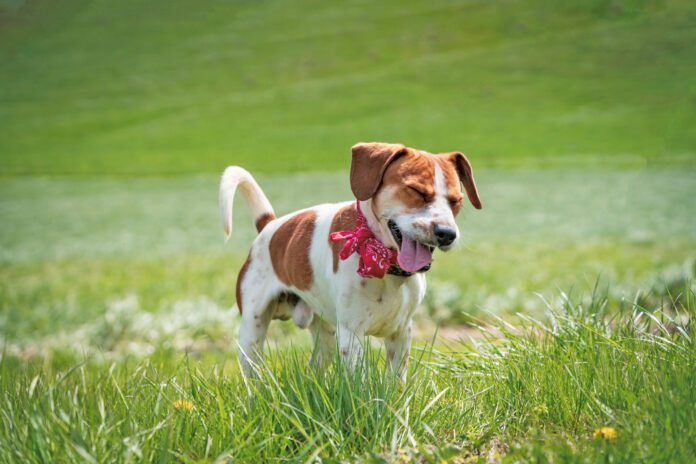
Dogs can develop congestion just like humans do, resulting in snuffling, snorting, and loud breathing. Dog congestion has many potential causes, and treatment will depend on what sort of infection or illness your dog has.
Symptoms of Dog Congestion
- Loud, wet sounds when breathing through the nose
- Snorting
- Snoring
- Sneezing
- Discharge from the nose
- Coughing
- Open-mouth breathing
In severe cases, your dog may gag or even vomit after heavy coughing fits, and he may also have difficulty breathing. Difficulty breathing is an emergency and requires immediate veterinary care.
Should I Panic if My Dog Is Congested?
Most cases of dog congestion are mild and will resolve on their own. If your dog sounds congested but seems otherwise fine, you can monitor him at home for one to two days.
Here are some things you can do to support your dog’s health:
- Encourage rest. Less activity means less strain on his inflamed and irritated airways.
- Increase humidity. Break out your humidifier if you have one or keep your dog in the bathroom while you take a hot shower. The steam will help to clear his airways and relieve congestion. Ideally your dog should be in a steamy room for 5 to 10 minutes at least once a day.
- Encourage hydration. Be sure your dog has plenty of fresh, clean water available and that he is drinking.
- Provide good nutrition. A complete and balanced diet will help to support your dog’s whole body and health.
- Clean his nose as needed. Crusts and discharge can be wiped from the nose with a warm damp cloth. This will both help your dog feel better and clear his external nostrils.
If your dog has other symptoms of illness or doesn’t improve within 48 hours, it’s time to call your vet.
Why Dogs Get Congested
Many things can cause congestion in dogs:
Brachycephalic dogs with smooshed faces, obese dogs, unvaccinated dogs, and dogs living in crowded conditions have the highest risk of developing congestion.
Your veterinarian will determine the cause of your dog’s congestion based on his symptoms and lifestyle. A dog with a dry, honking cough probably has the upper respiratory infection called kennel cough, which can be caused by viruses or bacteria. If your dog sounds congested and is reverse sneezing plus has reddish eyes and paws, he may have allergies.
Treatment will vary by the case. For mild congestion that hasn’t responded to home care, your vet may prescribe a short course of steroid or anti-inflammatory medication to give your dog relief. Bacterial infections can be treated with antibiotics, while viral infections require either antiviral medications or just supportive care. If the congestion is caused by something stuck in your dog’s nose, removing the offending object will resolve the issue.
Most dogs will experience congestion at some time in their lives. To minimize your dog’s risk, keep him at a healthy weight and up to date on his vaccinations and heartworm preventive medications. Vaccines are especially important if your dog goes to doggy daycare, boarding kennels, dog training classes, or dog shows.
