

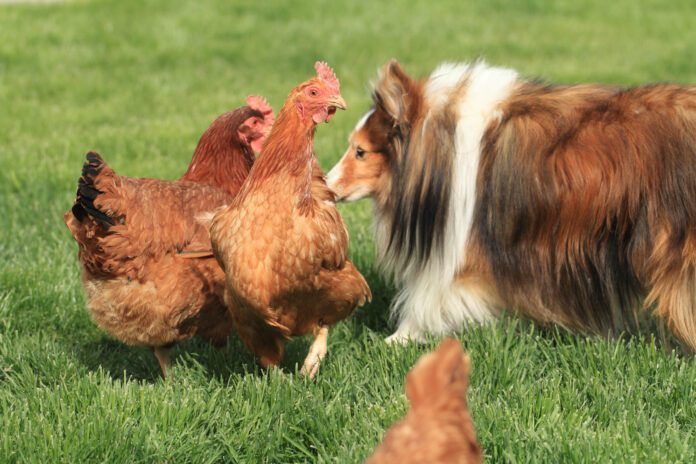
Chicken is one of the most widely used proteins in commercial dog foods, treats, and supplements, which makes it both widely consumed and one of the most common food allergies in dogs.
A chicken allergy in dogs does not present as an immediate reaction in the way people commonly think of allergies, such as sudden swelling or anaphylaxis. Instead, it is most often a delayed hypersensitivity reaction driven by the immune system’s response to one or more of the proteins found in chicken.
Over time, a dog’s immune system may begin to incorrectly identify chicken proteins as harmful invaders, triggering a chronic inflammatory reaction that often manifests in the skin, gastrointestinal tract, ears, or a combination of these systems. Because chicken is so frequently used ingredient in canine diets, there is a high chance of frequent and repeated exposure, which in turn can increase the likelihood that a sensitive dog will eventually develop an adverse immune response.
Signs of a Chicken Allergy in Dogs
Signs of a chicken allergy in dogs tend to be chronic, recurring, and frustratingly non-specific. One of the most common presentations is persistent itching that does not seem to follow a seasonal pattern. Dogs may scratch, lick, chew, or rub their skin year-round with a particular focus on the paws, face, stomach, and ears. Recurrent ear infections are especially suggestive of an underlying food allergy, including chicken, particularly when they return shortly after treatment or never fully resolve. Skin symptoms may include redness, hair loss, hot spots, or secondary bacterial and yeast infections that arise because the skin barrier has been compromised by chronic inflammation.
Gastrointestinal signs are another common but sometimes overlooked indicator of a chicken allergy. Dogs may experience chronic loose stools, intermittent diarrhea, excessive gas, or vomiting. In some cases, these signs are mild and inconsistent, which can make them easy to dismiss as stress-related or from your dog snarfing down something he shouldn’t. However, when digestive symptoms persist over weeks or months or do not improve with routine interventions, a food allergy becomes a more likely explanation. Some dogs exhibit both skin and gastrointestinal symptoms, while some may only show only one, further complicating the identification of the underlying cause.
How Does the Vet Know My Dog’s Allergy Is to Chicken?
Determining whether chicken is an allergen requires careful evaluation, as many dogs with suspected allergies are exposed to multiple proteins simultaneously. Environmental allergies, such as those to pollen, dust mites, or mold, can cause nearly identical skin and ear symptoms. Blood tests and saliva tests marketed for food-allergy detection are widely available but have a limited reliability and are not considered diagnostic. The gold standard for diagnosing a chicken allergy in dogs remains a properly conducted elimination diet followed by a controlled food reintroduction.
How to Do an Elimination Diet for Your Dog
An elimination diet involves feeding a dog a diet that contains a protein source and carbohydrate source that your dog has never eaten before, or a diet where the proteins have been hydrolyzed to a size too small to trigger an immune response.
This diet must be fed exclusively for a sufficient period, typically eight to 12 weeks, with absolutely no additional food, treats, flavored medications, table scraps, or supplements that could introduce chicken proteins. Even small exposures can invalidate the results, as the immune system only needs minimal contact to remain activated.
During this time, symptoms are closely monitored for improvement or resolution. If a dog’s symptoms significantly improve or resolve during the elimination phase, chicken is then reintroduced in a controlled manner to confirm the diagnosis. This step is critical, as improvement alone does not prove that chicken was the cause.
How Soon Will Chicken Allergy Symptoms Stop?
When chicken is reintroduced, dogs with a true chicken allergy typically experience a noticeable return of symptoms within days or weeks. Once this reaction occurs, chicken is removed again, and symptoms should gradually subside. This process, though time-consuming, is the most accurate way to determine whether chicken is truly responsible for your dog’s allergies.
What Should I Feed a Dog Allergic to Chicken?
The remedy for a chicken allergy in dogs centers on strict, lifelong avoidance of chicken and chicken-derived ingredients. Unlike some allergies that may improve over time, food allergies are immune-mediated and are generally permanent.
Hypoallergenic diets often include ingredients such as chicken fat or hydrolyzed chicken because these components are fundamentally different, from an immunological standpoint, from intact chicken protein, which is what triggers a true chicken allergy.
Can Dogs With a Chicken Allergy Eat Chicken Fat?
Chicken fat, when properly rendered and purified, contains no intact protein, which means there are no antigens present to stimulate an allergic response. As a result, chicken fat is used as a source of energy, and for palatability, even in diets formulated for dogs with confirmed chicken allergies. Similarly, hydrolyzed chicken protein has been enzymatically broken down into tiny fragments that are small enough to not activate the immune system.
Because the immune system can no longer recognize these fragments as “chicken,” they do not provoke an allergic response, even in dogs that react strongly to whole chicken protein. For this reason, both chicken fat and hydrolyzed chicken are widely used in hypoallergenic diets and considered safe and effective tools for managing food allergies or for performing elimination diets to identify an allergen.
Is My Dog Allergic to Chicken Eggs, too?
A common question among dog owners is whether a chicken allergy also means that a dog is allergic to eggs. While chicken meat and eggs come from the same animal, many of the proteins differ, so an allergy to one does not automatically guarantee an allergy to the other. Some dogs with a chicken allergy can tolerate eggs without an issue, while others may react to both. Egg allergies do occur, but they are less commonly reported than chicken meat allergies. The immune system’s recognition of specific protein structures determines whether cross-reactivity occurs, and these proteins differ between muscle tissue and egg proteins.
Living with a dog that has a chicken allergy requires diligence but is entirely manageable with the right approach. Advancements in pet nutrition have made a wide range of alternative proteins readily available, including pork, fish, venison, rabbit, kangaroo, and plant-based options.
Many dogs thrive once the offending protein is removed, often showing improvements in not only allergy symptoms, but also in energy level, coat quality, and overall wellbeing. With proper identification and dietary management, dogs with chicken allergies can live comfortable healthy, and symptom-free lives.
