





Pet road trips often begin with optimism and end with exhaustion. What looks effortless on social media rarely reflects the reality of confined spaces, disrupted routines, and overstimulated animals. Pets experience travel differently than humans, reacting strongly to motion, unfamiliar sounds, and changing environments. Even well-trained animals can unravel when their needs are underestimated. The chaos usually isn’t caused by bad behavior, but by planning gaps that compound over time. Understanding why trips go wrong and how to adjust preparation can transform stressful journeys into safer, calmer experiences for both pets and owners.
When Routine Disappears, Stress Takes Over
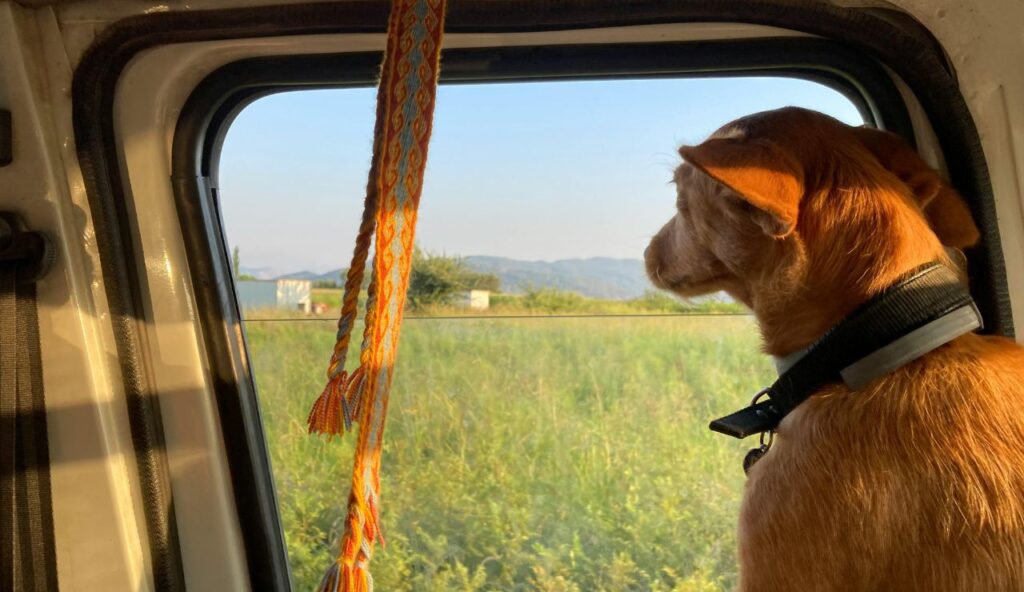
Pets rely heavily on predictable routines to feel secure. Road trips disrupt feeding times, bathroom access, sleep patterns, and familiar surroundings all at once. This sudden instability can cause anxiety that manifests as whining, restlessness, nausea, or withdrawal. Owners often misinterpret these signs as stubbornness rather than stress responses. Without routine anchors, pets struggle to self-regulate. Fixing this starts with maintaining familiar elements: consistent feeding schedules, planned rest stops, and recognizable cues. Even small consistencies help pets regain a sense of control during long drives.
Overconfidence Replaces Preparation
Many pet owners assume past good behavior guarantees smooth travel. This confidence often leads to skipped preparation, such as carrier conditioning, motion desensitization, or trial trips. The road environment introduces vibrations, noises, and confinement that pets may not have experienced before. Without gradual exposure, sensory overload builds quickly. Preparation should begin weeks in advance with short drives, positive reinforcement, and comfort adjustments. Treating travel as a skill to practice, not an assumption, dramatically reduces unexpected meltdowns and keeps stress from escalating mid-journey.
Physical Needs Are Addressed Too Late
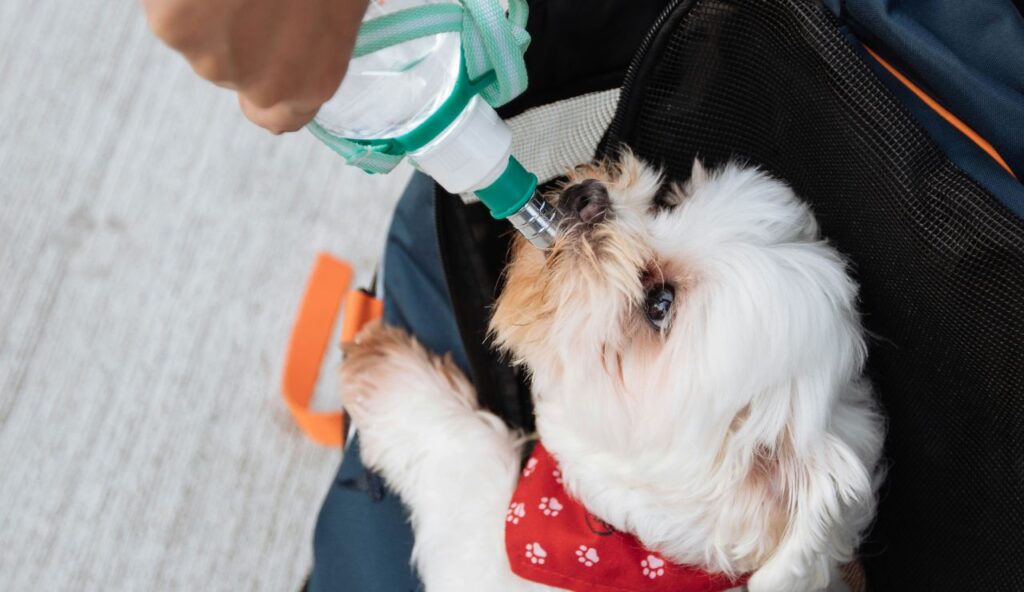
Chaos often erupts when basic physical needs go unmet for too long. Delayed hydration, infrequent bathroom breaks, and uncomfortable restraint systems create cumulative discomfort. Pets cannot communicate urgency clearly, leading to accidents or agitation. Owners focused on reaching destinations may push limits unknowingly. The solution lies in proactive planning: frequent stops, proper hydration systems, temperature control, and safe restraints that allow comfort without compromising safety. Addressing physical needs early prevents emotional stress from compounding and keeps behavior manageable throughout the trip.
Emotional Overload Goes Unnoticed
New environments bombard pets with unfamiliar smells, sights, and sounds. Without downtime, this sensory input overwhelms even confident animals. Owners often expect pets to enjoy novelty the same way humans do, but most animals require decompression. Skipping rest periods or forcing continuous stimulation leads to irritability and shutdowns. Creating quiet moments, covering carriers, limiting interaction, or providing familiar items helps pets reset. Recognizing emotional fatigue as real and valid is key to preventing behavioral breakdowns during extended travel, especially on multi-day or tightly scheduled trips.
The Fix Is Flexibility, Not Perfection
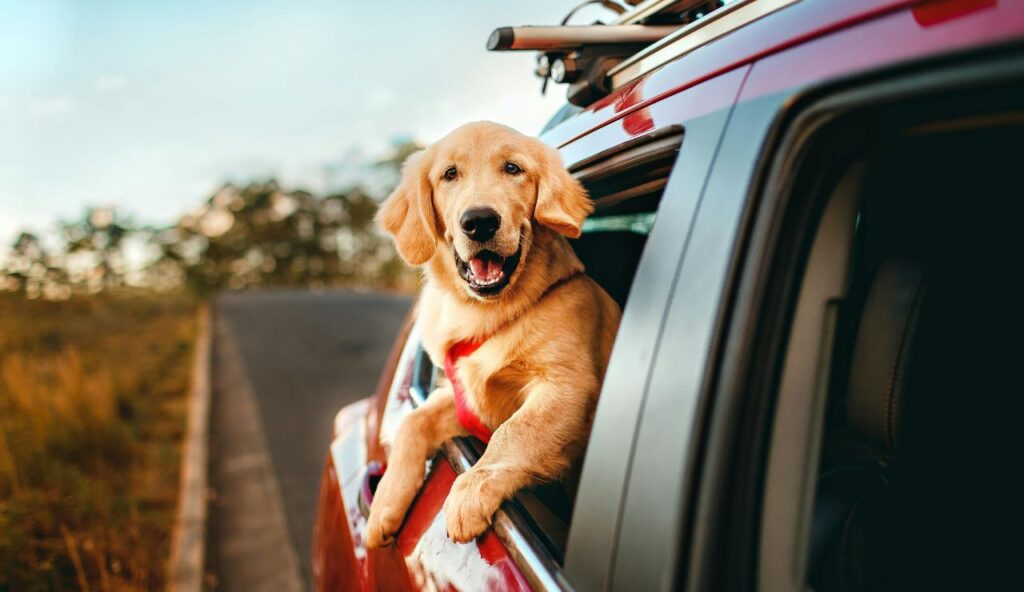
Successful pet road trips depend less on perfect plans and more on adaptability. Rigid schedules often fail when pets need extra rest or reassurance. Flexibility allows owners to respond to stress signals early, adjusting pace and expectations. Accepting slower progress, making unscheduled stops, or modifying plans reduces pressure on everyone involved. A calm, responsive approach builds trust and keeps trips from spiraling into chaos. When owners prioritize well-being over timelines, road trips become cooperative experiences instead of endurance tests, creating safer memories rather than rushed regrets.