




As an Amazon Associate I earn from qualifying purchases. Learn More
Last Updated: 2026
Chihuahuas are known for forming incredibly strong bonds with their people. In fact, many Chis would happily spend every waking moment in your lap if they could.


While that devotion is one of the things we love most about them, it can also lead to a common issue: separation anxiety.
If your Chihuahua becomes distressed when you leave the house, they may be struggling with separation anxiety. The good news is that with patience and the right approach, you can help your pup feel calmer and more confident when they’re home alone.
Signs of Separation Anxiety in Chihuahuas
Every dog expresses anxiety a little differently, but Chihuahuas with separation anxiety often show some common behaviors.
These may include:
• Excessive barking or whining when you leave
• Scratching at doors or windows
• Chewing furniture or household items
• Going to the bathroom inside the house
• Pacing or restlessness
• Trying to escape from crates or rooms
• Loss of appetite when alone
Some of these behaviors can also appear when a dog is experiencing health issues, so it’s important to recognize other warning signs too. If you’re unsure, check out our guide on health warning signs in Chihuahuas.


Why Chihuahuas Are Prone to Separation Anxiety
Chihuahuas tend to bond very deeply with their owners. Because they are small and portable, they often go everywhere with their humans.
While that closeness is wonderful, it can sometimes make it harder for them to learn how to be comfortable on their own.
Some Chihuahuas can also develop behavioral habits related to overprotectiveness or dependence. You may want to read more about how to stop small dog syndrome, if your dog tends to become overly attached.
Other factors that may contribute to separation anxiety include:
• Major routine changes
• Moving to a new home
• Being rehomed or adopted
• A family member leaving the household
Helping your Chihuahua feel safe and confident in new environments can also make a big difference. If your dog struggles with changes, these steps to ensure pets feel safe and comfortable in new environments may help.
How to Help a Chihuahua with Separation Anxiety
Helping a dog overcome separation anxiety takes patience, consistency, and a gentle approach.
Gradual Desensitization Training
One of the most effective methods is gradual desensitization.
Instead of suddenly leaving your dog alone for long periods, start with very short departures and slowly increase the time you’re gone.
Training techniques like these are part of building confidence in your dog. If you’re working on training overall, you might also enjoy our guide on training a dog that isn’t motivated by treats.
Pair Your Departure with Something Positive
Another helpful technique is to give your dog something special when you leave.
This could be:
• A stuffed Kong
• A puzzle toy
• A frozen lick mat
• A favorite chew
Keeping your dog mentally engaged can reduce anxiety and destructive behavior.
Increase Mental Stimulation
Sometimes anxiety is worsened by boredom or pent-up energy.
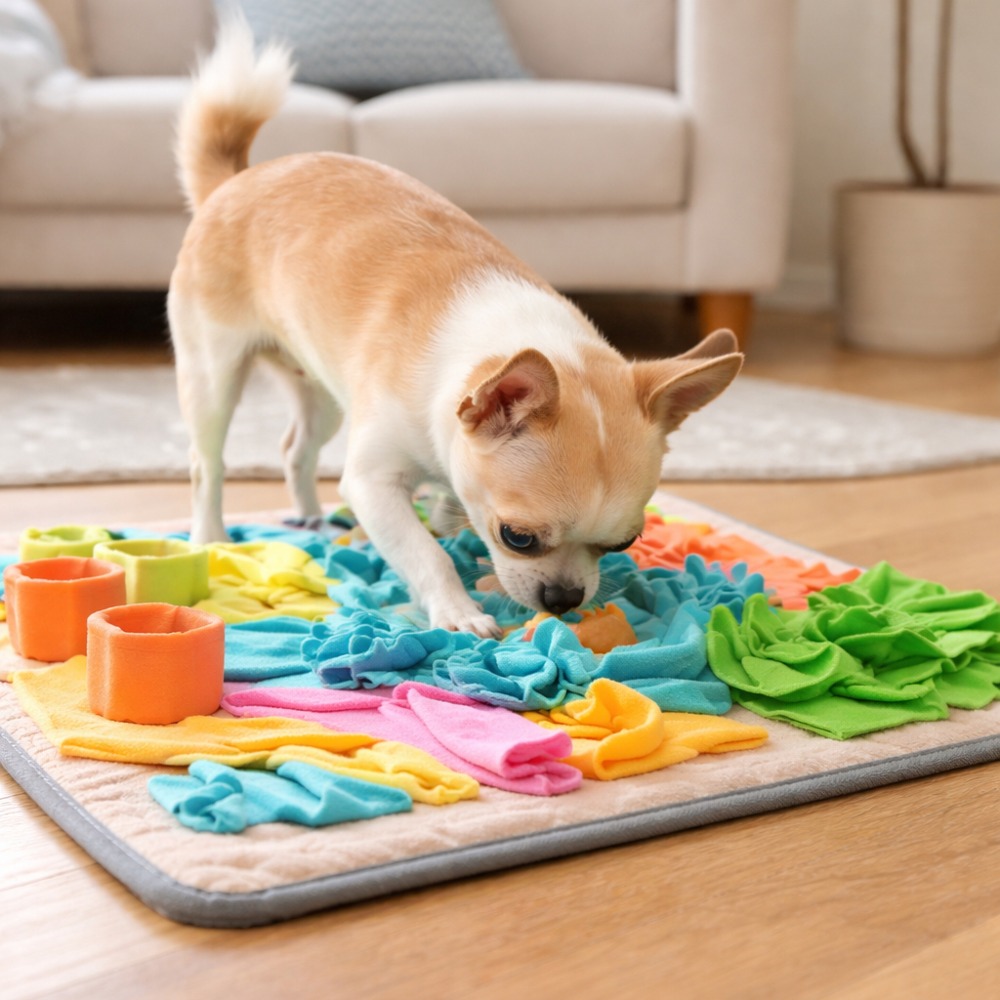
Providing mental enrichment can help your dog relax while you’re away.
Try things like:
• Puzzle feeders
• Snuffle mats
• Training games
• Treat scavenger hunts
If your dog gets bored easily, you may also like these simple ways to keep your dog busy.
Create a Safe Comfort Zone
Some Chihuahuas feel safer when they have a designated resting area.
This could be:
• A cozy dog bed
• A crate (if they enjoy it)
• A quiet corner of the house
Senior dogs especially benefit from comfortable resting spaces. If your Chi is older, these tips for helping an elderly Chihuahua live comfortably at home may also be useful.
When to Talk to a Veterinarian
In severe cases, separation anxiety may require professional help.
If your dog begins showing sudden behavioral changes, it’s always wise to rule out medical causes. You can learn more about when to see a vet if your dog might be sick.
Final Thoughts
Separation anxiety can be stressful for both you and your Chihuahua, but with patience and the right strategies, most dogs can learn to feel more comfortable when left alone.
Remember that your Chi isn’t misbehaving — they’re simply feeling scared.
With consistent training, enrichment, and reassurance, your little companion can gain the confidence they need to relax while you’re away.
Frequently Asked Questions About Separation Anxiety in Chihuahuas
Can Chihuahuas outgrow separation anxiety?
Some Chihuahuas do improve with age, but most need training, patience, and support to overcome separation anxiety. Gradual desensitization, mental enrichment, and a consistent routine can help them feel more secure when left alone.
How long can a Chihuahua be left alone?
Most adult Chihuahuas can be left alone for about 4 to 6 hours, depending on their age, health, and personality. Puppies, senior dogs, and Chihuahuas with separation anxiety may need more frequent companionship and potty breaks.
Should I crate a Chihuahua with separation anxiety?
A crate can help some Chihuahuas feel safe, but for others it may increase anxiety. If you decide to use a crate, introduce it gradually and positively so your dog sees it as a calm, secure space rather than a punishment.
Do calming supplements help Chihuahuas with separation anxiety?
Some Chihuahuas may benefit from calming supplements, pheromone diffusers, or anxiety wraps, but these usually work best when combined with training. If your dog has severe anxiety, talk to your veterinarian about the best treatment options.
What are the signs of separation anxiety in Chihuahuas?
Common signs include barking, whining, destructive chewing, scratching at doors, pacing, accidents in the house, and panic when you prepare to leave. Some Chihuahuas also become extremely clingy and follow their owners from room to room.
How can I help my Chihuahua with separation anxiety?
You can help by practicing gradual desensitization, keeping departures calm, offering puzzle toys or special treats when you leave, and giving your Chihuahua more mental stimulation. In severe cases, a veterinarian or certified dog behaviorist may be needed.




Pet Blogger
I have had dogs all my life. I have been a pet groomer, worked in a pet hotel, and a kennel, and have bred and showed dogs.
Post Views: 16,772