



This guest article was written by our friends at Farm to Pet.
Dog clothing has come a long way from novelty sweaters, holiday accessories, and costumes for photo ops. Today, thoughtfully designed dog apparel plays a meaningful role in canine health, safety, comfort, and even training.
While not every dog needs or enjoys wearing clothes, functional apparel can provide real benefits for many dogs—especially when introduced gradually and positively. Brands like DJANGO have helped elevate dog clothing by focusing on fit, durability, and purpose.
In this guide, we’ll explore the practical benefits of dog clothing beyond fashion, address common concerns and misconceptions, and share tips to help your dog feel comfortable wearing pet apparel through positive reinforcement.
Quick takeaway: Dog clothing isn’t about fashion—it’s about comfort, protection, and confidence. When chosen thoughtfully and introduced positively, functional dog apparel can support health, safety, and training for many dogs.
Health and Comfort Benefits of Dog Clothing
Temperature Regulation
Not all dogs experience temperature the same way. Short-haired breeds, small dogs, puppies, seniors, and dogs with medical conditions can struggle to retain body heat in colder weather. Sweaters, jackets, and insulated coats help these dogs stay warm during winter walks, outdoor play, or even chilly indoor environments.
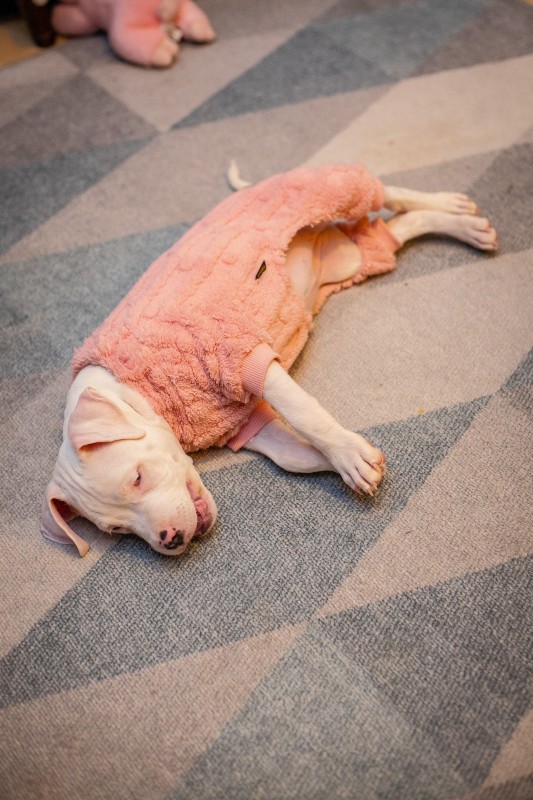
On the flip side, particularly for dogs with thin coats, pink skin, or areas of sparse fur, dog clothing can also protect against heat-related risks. Light-colored, breathable apparel can shield sensitive skin from harmful UV rays, reducing the risk of sunburn and skin damage.

Medical Support and Recovery
Dog apparel is often recommended by veterinarians for medical reasons. A welcome alternative to the dreaded cone, dog clothing like recovery suits, shirts, or bodysuits can protect wounds, stitches, or bandages after surgery while preventing licking or chewing that could delay healing. Additionally, for dogs with chronic skin conditions, clothing can act as a physical barrier against environmental irritants while helping topical treatments stay in place.
Certain types of apparel also offer gentle compression, which can benefit dogs with joint stiffness, arthritis, or anxiety. These garments provide light support without restricting movement, helping dogs feel more secure and physically comfortable.
Anxiety Relief Through Pressure
Anxiety vests, such as compression-style wraps, use consistent, gentle pressure to help calm dogs during stressful events like thunderstorms, fireworks, travel, or vet visits. The sensation is comparable to swaddling for humans and has been shown to reduce stress responses in many dogs.
Similarly, for anxious dogs, clothing can become a predictable signal of comfort and routine. When paired with positive reinforcement like praise and high-value treats, the act of wearing dog clothing itself can become reassuring.

Allergy and Insect Protection
For dogs with environmental allergies, clothing can serve as a barrier between the skin and allergens such as pollen, grasses, or dust. This can reduce flare-ups, itching, and excessive scratching.
Insect protection is another major benefit, especially for active dogs with outdoor lifestyles. Lightweight shirts or bodysuits help deter ticks, fleas, mosquitoes, and biting flies—especially during peak pest seasons or in wooded and grassy areas. While clothing doesn’t replace preventative medications, it does add an external layer of defense.
Safety and Hygiene Benefits of Dog Clothing
Improved Visibility
Visibility is a major safety concern for dogs whose walks happen during early mornings, evenings, or nighttime. Dogs wearing reflective coats, vests, and harness-compatible apparel are more easily seen by drivers, cyclists, and pedestrians, reducing the risk of accidents. High-quality dog apparel brands like DJANGO often incorporate reflective details in daily dog wear—without sacrificing comfort or style.
Cleaner Fur, Less Shedding
A bonus for dog parents, dog clothing can significantly reduce the amount of dirt, mud, burrs, and debris that cling to fur, especially for long-haired breeds. After rainy walks or outdoor adventures, removing a jacket is often much easier than bathing a muddy dog.
Clothing can also help manage shedding indoors by trapping loose fur, making cleanup simpler and keeping furniture and clothing cleaner.
Protection From the Elements
Beyond temperature, dog clothing can protect against wind, rain, snow, and rough terrain. Waterproof or water-resistant coats and booties keep dogs dry during wet weather, while durable fabrics protect against sharp debris, ice, or abrasive surfaces.

Things to Consider Before Dressing Your Dog
Comfort Is Everything
The most important factor in dog clothing is the comfort that comes from proper fit. Apparel should allow full freedom of movement, avoid rubbing or pinching, and never restrict breathing or circulation. Poorly fitting dog clothing can cause discomfort, chafing, or overheating.
High-quality dog apparel is designed with real canine anatomy in mind, offering size ranges, adjustable features, and thoughtful construction that supports movement rather than limiting it.
Not Every Dog Loves Clothes—and That’s Okay
Some dogs genuinely dislike wearing clothes. Forcing them to do so can cause stress and distrust that can manifest in behavioral issues. It’s important to observe your dog’s body language. Signs of discomfort may include freezing in place, excessive scratching, refusal to move, or attempts to remove the garment.
Dog clothing should always enhance your dog’s quality of life, not detract from it. If your dog is happy, relaxed, and moving normally, clothing is likely being tolerated or enjoyed.
Quality Matters
Always feel and inspect dog clothing before use. Look for smooth seams, soft linings, flexible materials, and secure but gentle fastenings. Avoid garments with hard edges, rough stitching, or components that could poke or rub sensitive areas.
The best pet apparel should also be weather-resistant when appropriate, machine washable, and highly rated by other pet parents.

Training Your Dog to Wear Clothes
Introducing clothing to your dog doesn’t have to be a struggle. With patience and positive reinforcement, most dogs can learn to enjoy more than tolerate wearing apparel. Here’s how to test the wardrobe waters with your dog.
Start Slowly
Begin by letting your dog sniff and investigate the clothing. Place it on the floor and reward curiosity with praise and treats. Don’t rush the process.
Use High-Value Rewards
Offer a small piece of a high-value treat when your dog allows the clothing to be draped over their back briefly. Gradually increase the duration while continuing to reward calm behavior.
This is where healthy yet highly palatable dog treats can be especially helpful. All-natural, low-fat, and low-calorie treats made from human-grade ingredients—such as single-ingredient chicken, turkey, beef, or fish chips—like dog treats from Farm to Pet are extremely motivating and easy to digest, making them ideal for training sessions.

Keep Sessions Short and Positive
Put the dog clothing on for just a few seconds at first, then remove it and reward generously. Slowly build up to longer periods, always pairing the experience with something positive, such as treats, praise, play, or all three.
Associate Clothing With Good Things
Try putting clothing on right before a walk, meal, or fun activity. This helps your dog associate wearing apparel with enjoyable outcomes. Over time, the clothing itself can become a positive cue.
Tip: These tips are just as useful for leash and harness training as well.
When Dog Clothing Makes the Most Sense
When considering whether to dress your dog occasionally or regularly, keep in mind that dog clothing is particularly beneficial for:
- Small or short-haired breeds
- Senior dogs
- Dogs recovering from surgery
- Dogs with anxiety or joint issues
- Dogs with allergies or sensitive skin
- Urban dogs needing visibility during walks
In these cases, pet apparel isn’t about aesthetics—it’s about comfort, health, and safety.
Final Thoughts on Dog Apparel
Dog clothing isn’t a one-size-fits-all proposition, and it’s certainly not mandatory. However, when chosen thoughtfully and introduced with care, functional dog apparel can dramatically improve a dog’s comfort and quality of life. From temperature regulation and medical support to anxiety relief and safety, the many benefits of dog clothing go far beyond fashion.
Pairing high-quality dog apparel from trusted brands like DJANGO with the positive reinforcement of clean, irresistible rewards like Farm to Pet dog treats creates a supportive, stress-free experience for both dogs and their humans.
At the end of the day, the best dog clothing is clothing that helps your dog feel safe, comfortable, and confident—whether they’re braving winter weather, recovering from surgery, or simply learning that wearing a jacket can mean treats, praise, and a great walk ahead!
