






Pets thrive on routine, but consistency doesn’t always equal comfort. Many animals quietly endure schedules that don’t suit their instincts, energy levels, or emotional needs. Because pets can’t explain their feelings, stress often shows up in small, easy-to-miss ways rather than dramatic behavior changes. Owners may mistake these signs for stubbornness, laziness, or aging when they are actually signals of dissatisfaction. Recognizing subtle stressors early can prevent long-term anxiety, health issues, and behavioral problems. These six overlooked clues reveal when a pet’s daily routine is working against them.
1. They Hesitate or Stall During “Normal” Activities
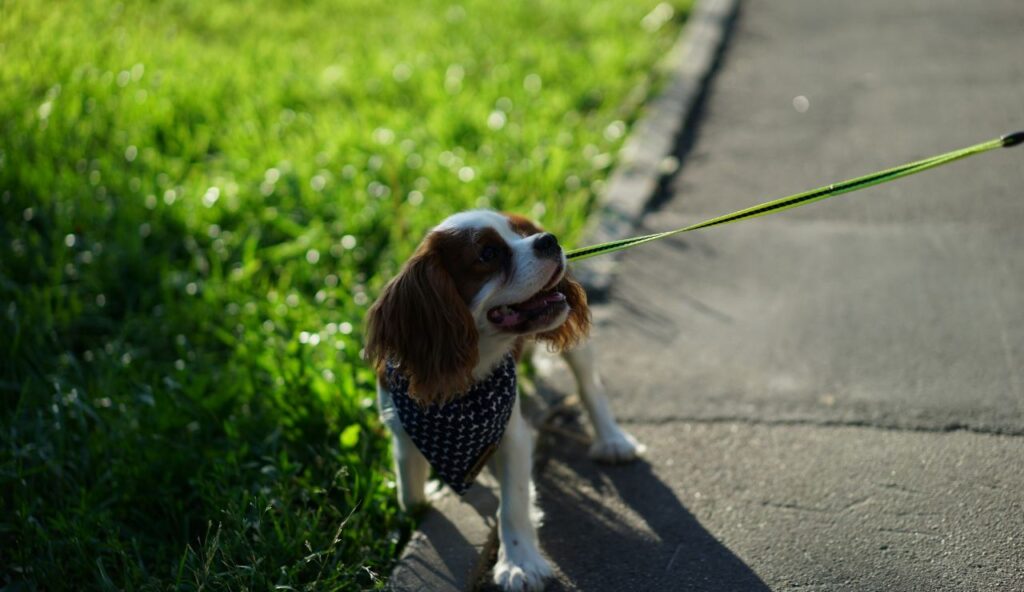
If your pet suddenly slows down before walks, meals, or playtime, it may not be defiance. Hesitation often signals internal conflict rather than disobedience. A dog that lingers at the door or a cat that delays approaching a food bowl may associate the activity with discomfort, boredom, or overstimulation. Repetitive routes, noisy environments, or rushed timing can quietly turn routine moments into stress triggers. When this pattern repeats, it suggests the routine no longer aligns with the pet’s preferences or energy level. Consistent stalling is often an early sign that something once enjoyable has become emotionally draining.
2. Sleep Patterns Shift Without an Obvious Cause

Changes in sleep are one of the most underestimated stress indicators in pets. An animal that sleeps significantly more may be mentally exhausted, while restlessness or frequent nighttime movement can point to anxiety. These shifts often happen when routines are too rigid, overstimulating, or misaligned with natural rhythms. Pets forced into human schedules may struggle silently, especially if exercise, feeding, or interaction happens at unnatural times for them. Over time, disrupted sleep affects mood, immunity, and behavior. When sleep changes persist without illness, the daily structure itself may be the underlying issue.
3. Grooming Becomes Excessive or Neglected
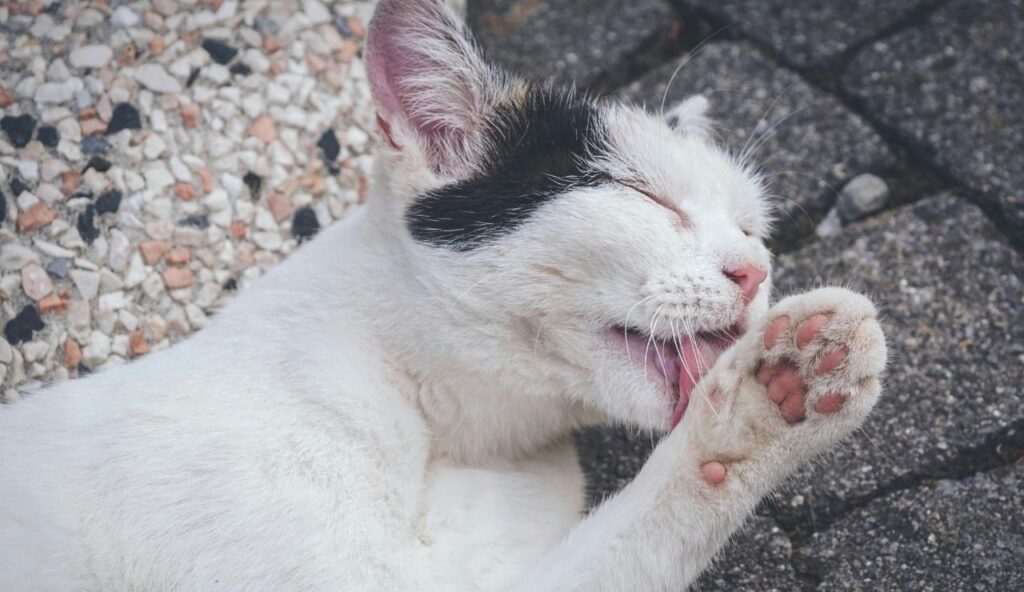
Subtle grooming changes often reflect emotional distress tied to routine dissatisfaction. Over-grooming, licking, or scratching can act as a self-soothing behavior when a pet feels trapped or under-stimulated. On the other hand, neglecting grooming may signal low mood or mental withdrawal. These behaviors don’t always stem from allergies or hygiene issues. Instead, they frequently arise when a pet lacks mental variety, adequate downtime, or control over daily events. When grooming habits shift alongside a fixed routine, it may be your pet’s quiet attempt to cope with ongoing stress that builds slowly over time.
4. Appetite Changes That Come and Go
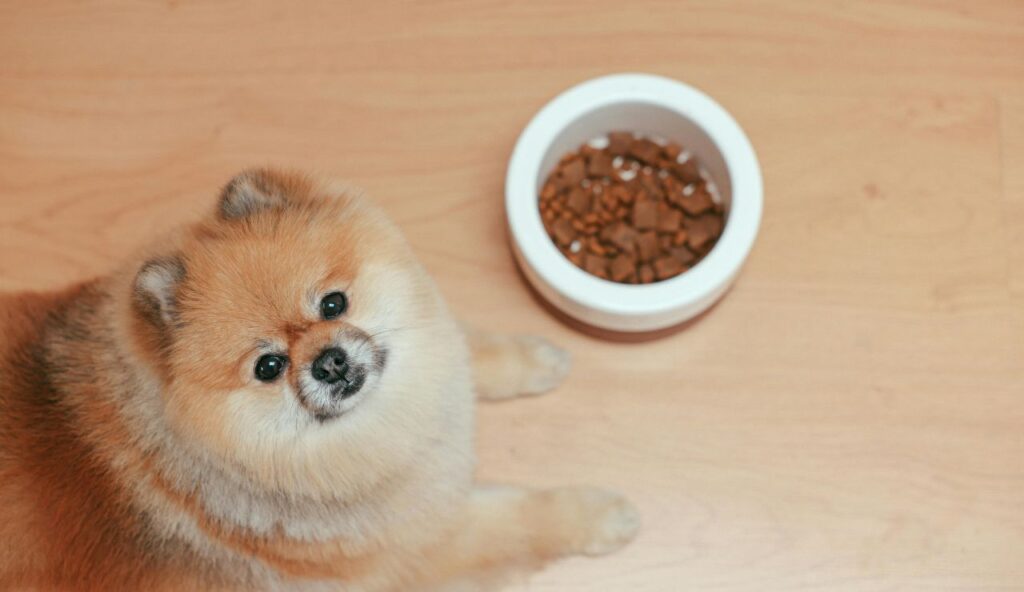
Routine-related stress doesn’t always cause a complete loss of appetite. More commonly, pets eat inconsistently, rush meals, or suddenly lose interest in food they previously enjoyed. Feeding at inconvenient times, lack of enrichment, or tension before meals can all reduce enjoyment. Some pets eat too quickly due to anxiety, while others leave food untouched until the environment feels calmer. These patterns often fluctuate, making them easy to dismiss. However, inconsistent eating without a medical cause frequently points to emotional discomfort tied to how and when daily needs are being met within their routine.
5. Reduced Interest in Interaction

A pet that avoids play, cuddling, or eye contact isn’t necessarily becoming independent. Withdrawal often occurs when daily life feels overwhelming or unrewarding. Pets stuck in predictable but unstimulating routines may disengage to conserve emotional energy. Conversely, overly demanding schedules with little rest can also cause social burnout. When interaction levels drop gradually, owners may not notice until the bond feels different. This quiet distancing is often a sign that the routine lacks balance, offering either too little enrichment or too little recovery time for emotional health and connection.
6. Minor Behavior Changes That Slowly Add Up

Stress rarely appears as one dramatic issue. Instead, it shows up as small shifts: increased sighing, pacing, avoidance of certain rooms, or sudden sensitivity to noise. Individually, these behaviors seem harmless. Together, they paint a picture of routine-based frustration. Pets adapt remarkably well, which makes these signals easy to overlook. However, when several minor changes appear at once, it’s often the routine, not the pet, that needs adjustment. Paying attention to these cumulative signs can prevent deeper anxiety and restore a healthier, more satisfying daily rhythm before habits harden into long-term behavioral patterns.