

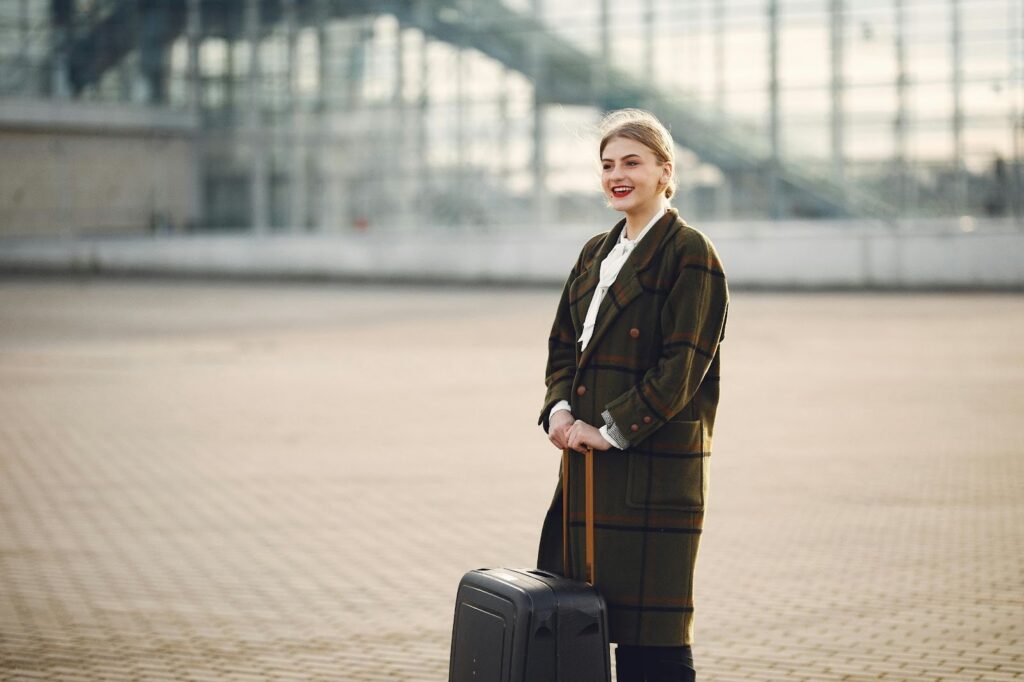
Solo female travel is more common than ever, and it’s often safer than people assume. Still, most travel safety problems don’t come from dramatic situations; they come from small habits that lower awareness or create avoidable risk. These five mistakes show up again and again, even among experienced travelers. The good news: each one has simple, modern fixes that improve safety without adding fear or stress. The goal isn’t to travel scared, it’s to travel prepared. A few smart habits can quietly reduce risk and make solo trips feel more relaxing.
1) Relying on One Safety Tool Instead of a Full Plan
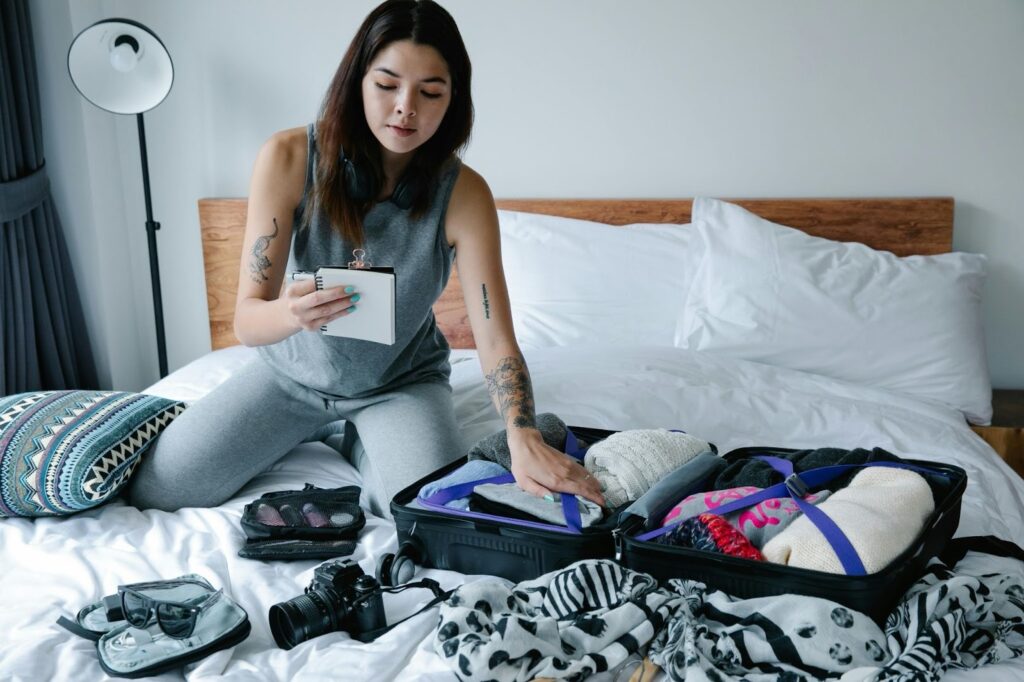
Many travelers buy one “safety item” and assume they’re covered. But real travel safety is layered: awareness, communication, and smart routines matter more than any single gadget. A better approach is having a simple plan that includes checking in with someone, knowing local emergency numbers, and keeping key addresses saved offline. Tools like a door stop alarm, a personal safety alarm, or a backup phone charger work best when they support a routine, not replace it. Think of safety tools like seatbelts: helpful, but not the whole system. The best protection is a simple routine you can repeat anywhere.
2) Forgetting That Phones Die, Lose Signal, or Get Stolen
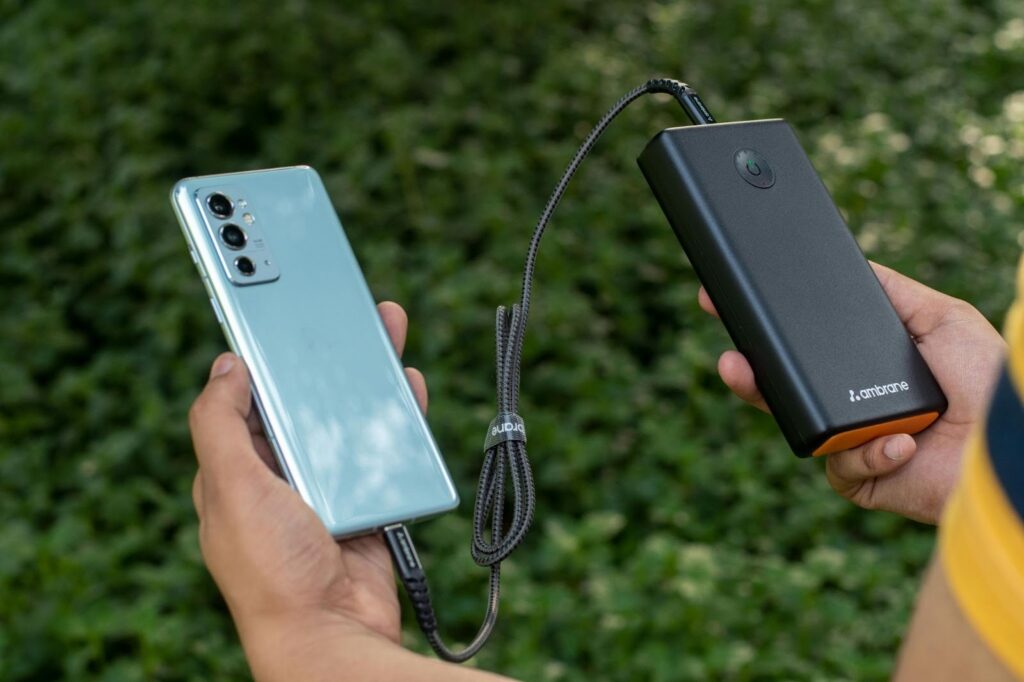
A phone is a lifeline for maps, rides, translation, and emergency calls, until it’s not. Solo travelers still get caught off guard when batteries drain, SIM cards fail, or a phone is misplaced. The fix is building redundancy: carry a high-capacity power bank, save hotel info on paper, and download offline maps before you arrive. It also helps to keep a second payment method separate from your phone. These small steps prevent panic and keep you in control. A dead phone can turn a small inconvenience into a stressful situation fast. Redundancy is what keeps solo travel smooth, even when plans change.
3) Sharing Location Clues in Real Time Without Thinking
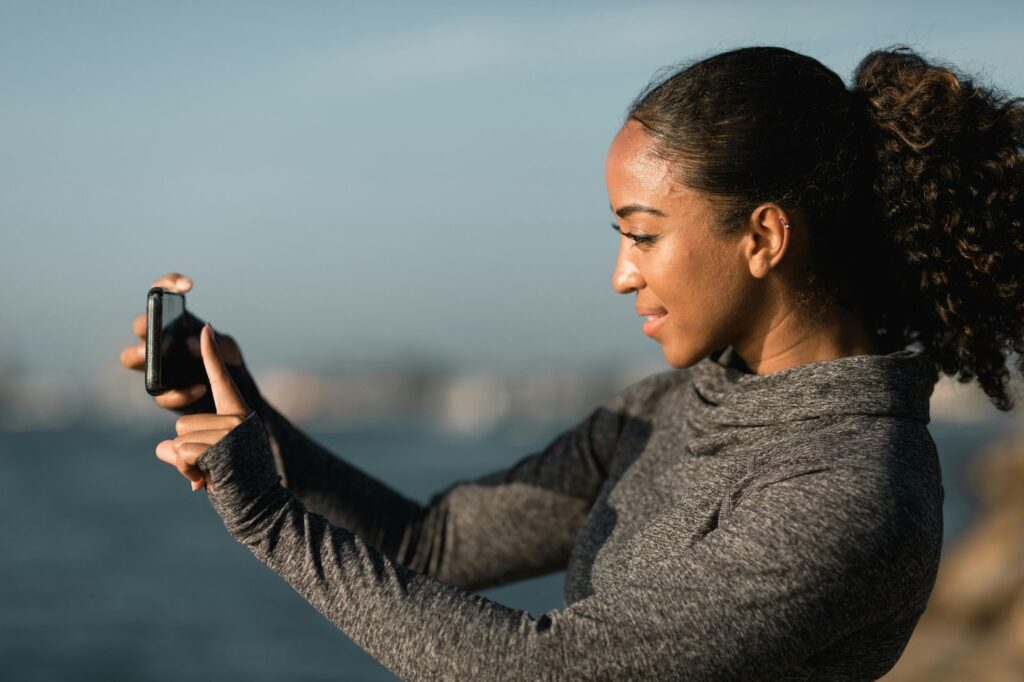
Posting travel photos is part of the fun, but real-time updates can unintentionally broadcast where you are staying, when you are alone, and where you’ll be next. This is one of the most overlooked safety mistakes because it feels harmless. A smarter habit is posting after you’ve left a location, avoiding hotel name tags, and turning off precise geotagging in your camera settings. You can still share your trip, just with a short delay that protects your privacy. This matters even more when your posts include recognizable landmarks or hotel views. A short posting delay keeps your trip shareable and safer at the same time.
4) Being Too Polite When Something Feels Off
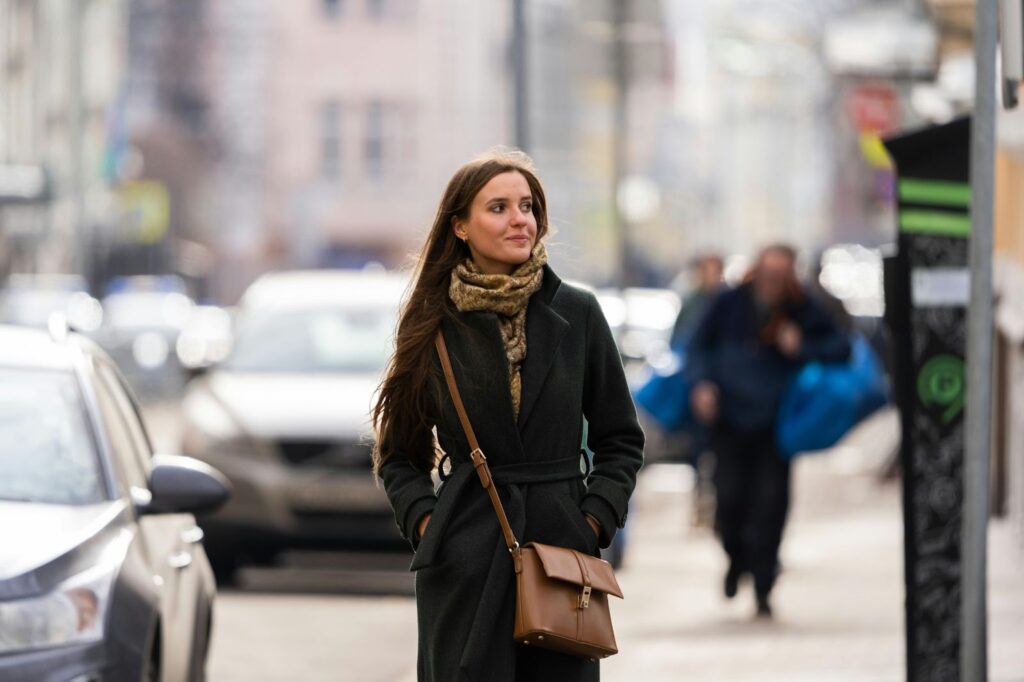
Many women ignore early discomfort because they don’t want to seem rude or dramatic. That instinct can be risky while traveling solo. If a situation feels strange, like a driver asking personal questions, a stranger insisting on help, or someone following too closely, it’s okay to change direction fast. Use simple scripts like “I’m meeting someone,” step into a hotel lobby, or call someone while walking. Confidence often comes from giving yourself permission to leave quickly. Your comfort is a valid reason to leave, even if you can’t explain it perfectly. The safest travelers trust their instincts early, not after things escalate.
5) Skipping Small “Pre-Checks” That Prevent Bigger Problems
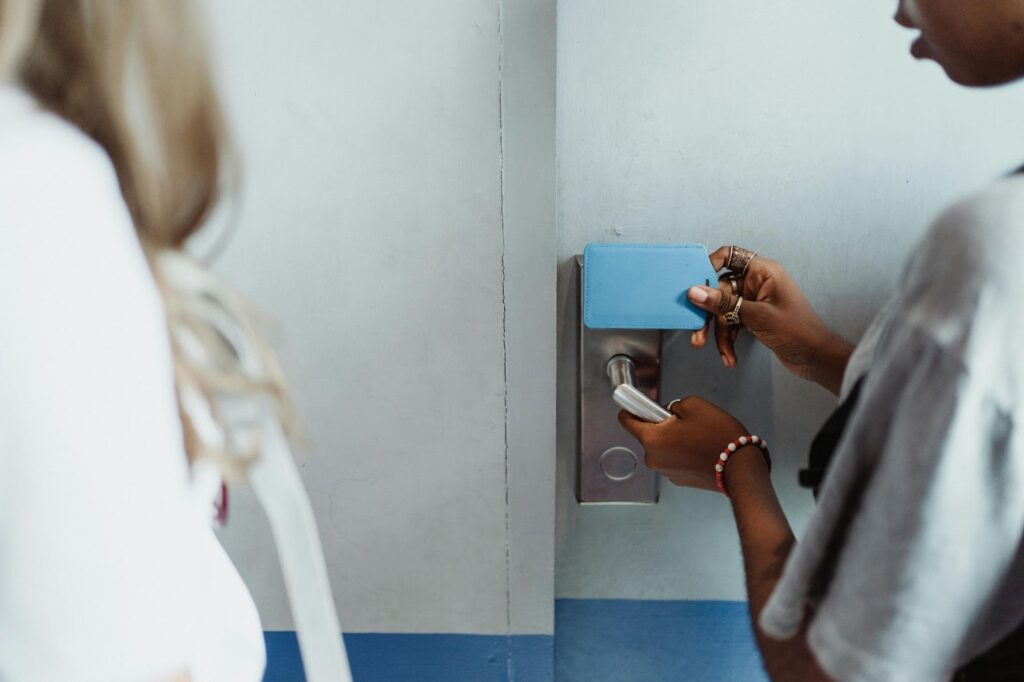
The most effective safety habits are boring, which is why they get skipped. Quick checks like confirming your room lock works, knowing your exit route, and scanning the street before entering your rental can prevent problems before they start. Solo travelers also benefit from choosing stays with staffed receptions, strong reviews from women, and clear entry procedures. Even small choices, like arriving in daylight when possible, can reduce stress and improve safety without limiting freedom. These tiny checks take less than a minute, but they reduce anxiety for the entire stay. When your environment feels secure, you enjoy the trip more.