

Having been through a lengthy, expensive, and devastating experience with an adverse rabies vaccine reaction with our original canine heroine, Lilly, I felt a little sick when I saw reports of under reporting of adverse drug reactions. The study was based in the United Kingdom, but I think we can assume similar gaps exist in the United States too. Before you read the rest of this post, make a guess in your mind about how stark the under reporting is. I guarantee it’s worse than you think. (Also, this post includes info on how to report adverse drug reactions in pets.)
I’m amused and annoyed that adverse drug reactions in people and pets are referred to as “suspected” adverse drug reactions (SADRs). I get the skepticism and the complexities. When Lilly went from perfect to blind, wobbly, and nearly dead in 1 week, the veterinary specialists did a lot of (expensive) tests to rule out other possibilities before they declared her worsening condition as “vaccine induced.”
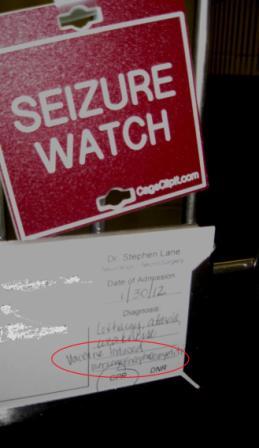
Still, people and pets who experience these things often face a lot of doubt and minimizing of what’s happening, which feels not great.
Adverse Drug Reaction Under Reported Study
In the UK, researchers mined data from more than 10.5K pet records and turned up 827 records that met the criteria of suspected adverse drug reactions.
They then manual looked through those 827 records to see if the adverse reactions in pets had been reported to the proper authorities in the UK.
Spoiler Alert! 90% of them were not reported.
Other Interesting Caveats
It’s interesting to note that adverse drug reactions in pets were more likely to be reported if the reaction was considered “unexpected.” In other words, known types of adverse drug reactions were less likely to be reported … which makes them seem less common than they really are. That may be partly the reason everyone rushes to call reactions RARE.
The study’s authors also report that severity of the adverse drug reaction did NOT appear to impact if the a report got made.
That surprises me. The severity of Lilly’s reaction made me even more motivated to get it reported!
Reporting Is Increasing, But …
Reports of adverse drug reactions in pets increased from around 4,000 reports in 1997 to more than 24K in 2001. So, the trend is going up. That’s something, I guess.
However, a recap I read says, in part, that “…preapproval safety and efficacy studies are generally small in sample size, short in duration, and conducted in healthy animals or those that do not fully represent the target population of the drug, making postmarketing reports of SADRs critical for pharmacovigilance.” [Emphasis mine.]
The recap also includes examples of adverse drug reaction reports that “identified several clinically important safety risks…”
- Blindness in cats associated with high doses of one med
- Overdoses in horses associated with “failure of a syringe-locking device”
- Dry eyes in dogs associated with use of a NSAID injection for arthritis pain
How to Report an Adverse Drug Reaction in Pets
Drug makers are required to report adverse drug reactions that get reported TO THEM. So, while you can report them yourself directly to the Food and Drug Administration in the US, veterinarians typically report them to the company.
This is the form for an FDA report, or there is a hotline to call, 1-888-FDA-VETS