

If you’re searching for the signs your dog is dying, you’re likely facing one of the hardest seasons of pet parenthood. It’s heartbreaking, confusing, and full of “am I doing enough?” moments. But recognizing the final stages isn’t about losing hope—it’s about bringing comfort, peace, and love when your dog needs it most.
By the end of this guide, you’ll understand the physical and emotional changes that can appear near the end of life, how to ease your dog’s transition, and when to reach out for veterinary support or gentle goodbye options.
FYI, all of the images in this post are pictures I took of my girl Tasha on the last day before we had to let her go, so I really do understand how you’re feeling right now. She was almost 15. A long life for a German Shepherd, but even a long life isn’t long enough when it comes to our dogs.
Understanding the Process of Dying in Dogs
Watching your beloved dog decline is never easy but understanding what’s happening can help you replace panic with peace. The dying process in dogs is gradual—sometimes unfolding over days, sometimes weeks—and it often begins long before the very end.
As your dog’s body starts to slow down, vital systems like digestion, circulation, and temperature regulation work less efficiently. You might notice your pup sleeping more, eating less, and showing less interest in play or walks. These changes don’t mean your dog has “given up.” They mean their body is naturally conserving energy.
Some dogs remain alert and affectionate until their final day, while others gently withdraw to rest in quiet corners. Both are normal, and neither means your dog loves you any less.
Pro Tip: Try keeping a simple “good days vs. bad days” journal. It helps you notice gradual changes instead of reacting to one rough day—and it can guide thoughtful conversations with your vet about comfort and quality of life.
As you recognize these patterns, remember: this stage isn’t about fixing what’s happening. It’s about creating peace for the moments that remain.
Common Physical Signs Your Dog Is Dying
In a dog’s final stage of life, the body gradually begins to shut down. Some signs appear subtly over time, while others may surface suddenly in the last few days or hours. Recognizing them early helps you respond with calm and compassion, not fear.
Here are the most common physical changes you might see:
Extreme Fatigue and Weakness
This isn’t the normal “older dog naps more” phase, and it’s not just your dog choosing rest over play.
End-of-life fatigue looks different.
Instead of waking up refreshed after a nap, your dog may seem drained all the time—like rest doesn’t actually restore their energy anymore. They might sleep for most of the day and still look exhausted when they’re awake. Getting up can feel like a major event, not just a little stiffness to work through.
You may notice things like:
- Struggling to stand without help
- Legs trembling or giving out
- Slow, careful movements that weren’t there before
- Needing support for stairs, jumping onto furniture, or even short walks
- A tail wag that’s delayed, half-hearted, or missing altogether
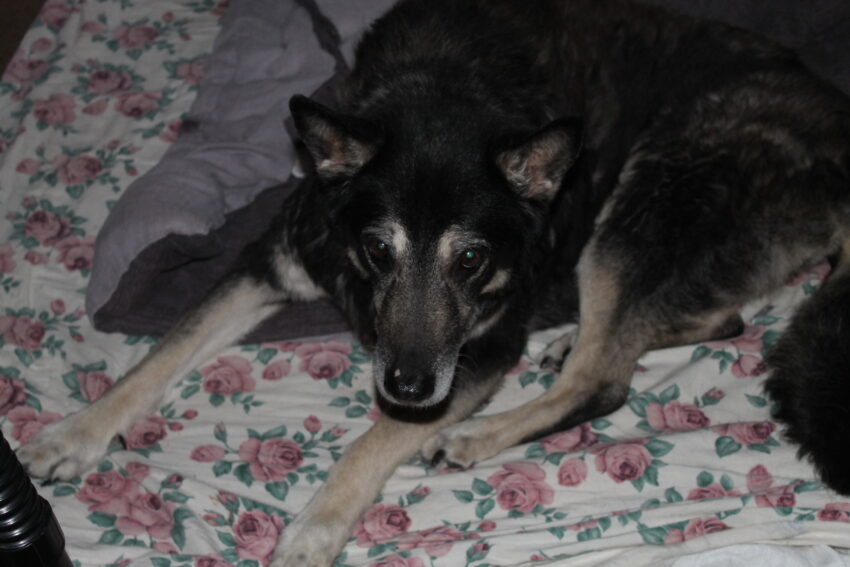
This kind of weakness often comes with a visible loss of muscle tone, especially in the back legs. Even small actions—turning around, repositioning in bed, or lifting their head—can seem like they take real effort.
The key difference here is inability, not preference. Senior dogs absolutely sleep more. Dogs nearing the end of life often can’t do things they were still managing just weeks earlier, even with motivation, encouragement, or treats.
If your dog wants to get up but physically struggles, or looks frustrated by their own body, that’s when fatigue becomes a more serious signal rather than just a normal part of aging.
Honestly, this was the biggest sign for us that it was time to let Tasha go. I came down one morning (she had stopped sleeping with me by then because the stairs were too much for her) to find her stuck on the kitchen floor completely unable to get up and looking at me with such pain and panic in her eyes. That was the day we made the call.
Loss of Appetite and Thirst
First, by loss of appetite, I don’t mean in the sense that your dog is eating less than usual but otherwise seems fine. All of my dogs ate less when they reached their senior years. What I mean here is a complete and total “my senior dog isn’t eating at all” scenario.
Dogs often start to lose interest in food and water as their body starts to slow down. At this stage, eating may simply take more effort than it’s worth for them. Even something as simple as swallowing can be exhausting.
Your dog may also drink less frequently or only take a few laps at a time. You can offer water or a low-sodium broth if they seem interested, but it’s important not to push. Forcing food or water can cause stress, nausea, or even aspiration, which can make them feel worse rather than better.
Pro Tip: If your dog still shows interest in eating, hand-feeding small amounts can be more appealing and less tiring. Soft, easy-to-swallow options like plain boiled chicken, meat-based baby food, or even fresh dog food often go over best. Keep portions tiny—just a few bites at a time—and let them decide when they’re done.
What matters most is following your dog’s cues. If they eat a little, that’s okay. If they don’t, that’s okay too. At this point, comfort and dignity matter far more than calories.
Body Temperature Changes
Their paws, ears, or nose may feel cooler as circulation slows. This happens because the body is prioritizing vital organs, and it’s a natural part of the process, not a sign that they’re “cold” in the usual sense.
You might notice:
- Coolness that doesn’t improve much with movement
- Temperature changes that come and go
- One area (often the paws or ears) feeling cooler than the rest of the body
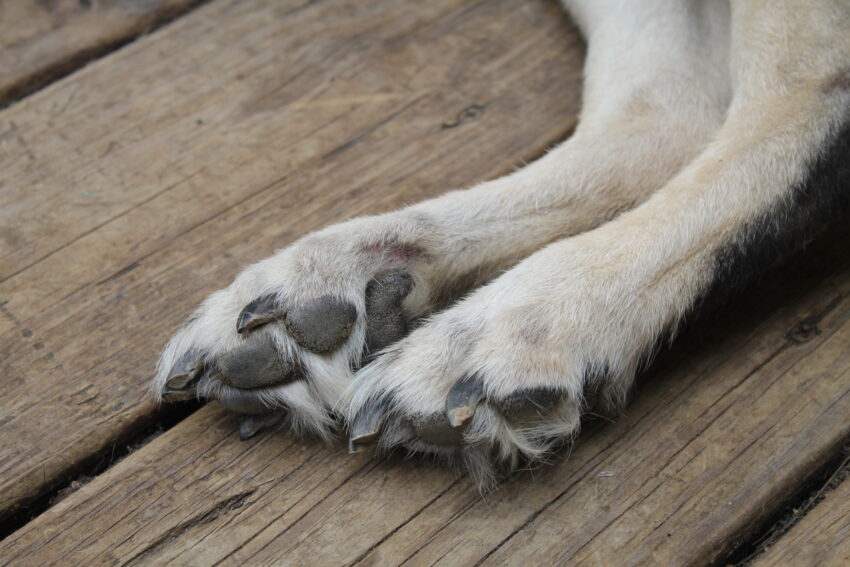
It’s okay to offer light warmth, like a soft blanket or a familiar bed, but avoid piling on heavy layers or using heating pads unless advised by a vet.
Changes in Breathing or Heartbeat
You may notice changes in your dog’s breathing—slower overall, with uneven rhythms. Breaths might alternate between deep and shallow, or there may be longer pauses between them. The heart rate can slow as well, especially during rest or sleep.
These changes can be unsettling to watch, but they’re often a normal part of the body gradually powering down rather than a sign of pain or distress.
You might see things like:
- Longer pauses between breaths
- A rise-and-fall pattern that isn’t consistent
- More noticeable breathing during sleep
- A calmer, slower heartbeat
If your dog appears relaxed, isn’t struggling to breathe, and seems comfortable, these shifts are usually part of a natural transition. Staying close, speaking softly, and keeping the environment quiet can be more helpful than intervening—sometimes the most supportive thing you can do is simply be there.
Incontinence or Loss of Control
As muscles weaken, your dog may lose bladder or bowel control. This isn’t something they can manage or prevent, and it can happen even if they were previously house-trained or very aware of their habits.
This was Tasha’s first sign that the end was nearing. She started having accidents in the house because she couldn’t always make it outside in time.
Please, if this is happening to your older dog, don’t get mad at them. Tasha was already upset because she was such a people-pleasing personality and felt like she had done something wrong. We reassured her that it was okay, and just used old blankets and puppy pads to protect the floors.
Distant Gaze or Glazed Eyes
Some dogs may appear to “stare through” you or seem mentally far away, even when you’re sitting right beside them. Their eyes might look glassy or unfocused, and they may respond more slowly to familiar voices or touch.
This isn’t confusion or fear—it’s often the mind gradually withdrawing from the physical world as the body rests. Many dogs still find comfort in your presence during these moments, even if they don’t react in obvious ways.
⚠ Heads-up: If your dog experiences sudden collapse, gasping, or visible pain (like crying or paddling legs), contact your vet immediately. These can be signs of distress that need professional support.
Emotional and Behavioral Changes
As dogs near the end of their lives, the emotional and behavioral changes can be just as noticeable as the physical ones. These shifts often reflect their body’s need for rest and their growing disconnection from everyday routines.
Seeking Solitude or Closeness
Some dogs instinctively withdraw, preferring quiet corners or private spaces. Others may do the opposite—staying close to you, following you from room to room, or wanting to be held. Both reactions are natural. Try to honor what your dog seems to want most, whether that’s closeness or peace.
Reduced Responsiveness
A dying dog may no longer react to their name, familiar commands, or favorite toys. This isn’t defiance or confusion—it’s usually a sign of fading awareness as their energy wanes.
Changes in Personality
You might notice a gentle dog becoming restless, or a once-independent pet becoming unusually clingy. Emotional changes like these often stem from discomfort or confusion, not deliberate behavior.
Signs of Acceptance
In the very last stage, many dogs appear calm or even serene. Their breathing may become softer, their movements slower. This “settling” can be difficult to watch, but it’s often the body’s way of preparing for rest.
Pro Tip: Try to stay emotionally steady, even when it’s hard. Dogs sense our energy deeply—your calm presence helps them feel safe during this transition.
How to Comfort a Dying Dog at Home
When a beloved dog is nearing the end of life, comfort becomes the greatest act of love. It’s not about medical care or meals anymore—it’s about presence, peace, and gentle companionship.
Here’s how to make your dog’s final days or hours as comfortable as possible:
Set Up a Quiet, Familiar Space
- Choose a calm, dimly lit area where your dog feels safe.
- Keep other pets and loud noises to a minimum.
- Familiar scents—your unwashed shirt, their favorite blanket—help them relax.
Focus on Physical Comfort
- Provide soft, clean bedding and reposition them gently to prevent stiffness.
- Offer small sips of water or broth if they’re willing; never force it.
- Keep them warm, but not overheated. Use a light blanket if needed.
Be a Steady, Soothing Presence
- Sit nearby, speak softly, and let them feel your calm energy.
- If they still enjoy touch, place a hand gently on their back or paw.
- Some dogs want closeness; others prefer space. Respect what they seem to need.
Manage Emotional Energy
Dogs mirror human emotions. If you’re crying, take a moment away to breathe before returning. Your calmness helps your dog relax.
Know When to Step In
If your dog seems restless, whimpers, or struggles to breathe comfortably, contact your veterinarian. Even in these final stages, pain relief and supportive care can make a meaningful difference.
Remember: Comfort isn’t just about easing pain—it’s about making sure your dog feels safe, loved, and never alone.
Knowing When It’s Time to Call the Vet
Deciding when to involve your veterinarian—especially when your dog is nearing the end—is one of the hardest choices a pet parent will ever face. It’s not about “giving up.” It’s about recognizing when comfort has turned into struggle, and choosing compassion over prolonging pain.
Here’s how to tell when it might be time to make that call.
Signs It’s Time to Reach Out
- Uncontrolled pain — Whimpering, shaking, or heavy breathing that doesn’t ease with rest.
- Severe distress — Repeated pacing, panting, or crying, even when you’re nearby.
- Inability to eat or drink — Complete refusal for more than a day or two, or choking when trying to swallow.
- Loss of mobility — Struggling to stand, walk, or reach the bathroom without assistance.
- Extended unresponsiveness — Not reacting to your voice or touch for long periods.
If you notice several of these signs together, it’s a strong indicator that your dog’s quality of life has changed in ways they can’t recover from.
Talking to Your Vet About Options
A compassionate veterinarian will walk you through choices that focus on peace and comfort:
- Pain management through medication or sedation.
- At-home hospice care to provide relief in a familiar environment.
- Gentle euthanasia, which can often be performed at home if that feels right for your family.
Vet Tip: Many vets now offer in-home visits for both comfort assessments and euthanasia. Being in their favorite spot—surrounded by the people they love—can make those last moments far less frightening for your dog.
If You’re Unsure
It’s completely normal to question yourself during this time. If you’re uncertain whether your dog is ready, your vet can help assess their condition using the “quality of life scale.” This tool helps separate emotional fear from medical reality.
The most loving act you can offer may also be the hardest—to let go when your dog’s body, not your heart, says it’s time.
Coping with Grief and Finding Peace
Losing a dog—whether it’s already happened or you’re preparing for it—is one of the most painful experiences any pet parent can face. The grief that follows can feel as heavy as losing a family member, because that’s exactly what it is.
There’s no right way to grieve, but there are gentle ways to move through it.
Acknowledge What You’re Feeling
Grief after a pet’s death often includes guilt, anger, relief, and deep sadness, sometimes all in the same day. These emotions are natural. Allow yourself to feel them without judgment.
- Don’t rush to “move on.”
- Avoid comparing your grief to others’.
- Talk about your dog often—sharing memories helps healing begin.
Create a Small Ritual or Tribute
A quiet act of remembrance can help transform pain into peace:
- Light a candle in their favorite spot.
- Frame a photo or keep their collar on a shelf.
- Plant a flower, tree, or small garden in their memory.
- Write a letter to your dog, thanking them for the love they gave.
These small gestures help turn your grief into something tangible—a way to keep their spirit close.
Seek Connection, Not Isolation
You’re not alone in this. Talk with friends who understand, or join a pet loss support group (many are available online). Sometimes simply saying, “I’m not okay right now,” can open space for healing.
Pro Tip: It can help to set gentle goals—like taking a short walk each day or spending time outdoors. The rhythm of nature often helps restore emotional balance over time.
Remember: Love Doesn’t End Here
The bond you built with your dog doesn’t disappear—it changes form. The love remains, carried in memory, in routine, and in the quiet ways you still think of them every day.
Grief softens slowly, but it never erases the joy your dog brought to your life. And when you’re ready, that love may even guide you to open your heart again—to another dog who needs the same kindness you once gave.
Frequently Asked Questions
Even after reading about the signs and stages of dying, many pet parents still have lingering questions—and that’s completely natural. Here are some of the most common questions people ask when they’re facing this stage of their dog’s life.
How long does the dying process last for dogs?
It varies. For some dogs, decline happens gradually over weeks or months. For others, it’s a matter of days. Many experience a “slow fade,” where energy and appetite gradually decrease before the final stage. If your dog seems to be struggling for more than a few days without comfort, it’s best to consult your veterinarian for guidance.
How can I tell if my dog is in pain?
Pain in dogs can appear in subtle ways, such as restlessness, panting, trembling, or whining. You might also notice them hiding, refusing food, or showing changes in posture. If you suspect pain—even mild—your vet can help with medication or supportive care to ensure your dog remains as comfortable as possible.
Should I let my other pets say goodbye?
In most cases, yes. Allowing other pets to approach and sniff your dog after they’ve passed can help them understand what’s happened. Without this closure, pets sometimes search or cry for their companion afterward. Just supervise quietly and give each animal time to process in their own way.
What can I do to prepare myself emotionally?
Start by giving yourself permission to grieve before your dog passes. Spend quiet moments together—sit beside them, tell them stories, thank them for the love they gave. Grief is easier to bear when we know we made their final days peaceful.
Pro Tip: Plan small, comforting routines for the days after—walks, time outdoors, journaling, or connecting with loved ones. Structure can help you stay grounded when emotions feel overwhelming.
Final Thoughts
Saying goodbye to a beloved dog is never something you can truly prepare for. Even when you’ve recognized the signs and done everything possible to make their passing gentle, the loss still hits deeply. That ache is proof of how much love you shared—and that love doesn’t disappear when their body does.
In the end, what your dog will remember most is not the medicine, the blankets, or the food—it’s you. The voice they trusted, the hands that comforted, and the quiet companionship you offered until their last breath.
You gave them a good life and a peaceful goodbye. That is the greatest kindness any pet parent can give.
Take the time you need to grieve, to remember, and to heal. And when the time feels right, know that opening your heart again doesn’t erase the one you lost—it honors them. Every future wag, every gentle paw, carries a piece of the love you learned from the dog who came before.