




Exotic pets can look exciting, especially when they seem legal and “easy” to own. But legality does not equal simplicity. Many exotic animals have specialized diets, housing needs, and long lifespans, and some can cause serious injury or stress if handled incorrectly. State laws also vary widely, and rules can change fast. These pets can also be expensive long-term, especially when exotic vet care is needed. Here are nine exotic pets that may be legal in parts of the U.S., but still come with real challenges that owners often underestimate.
1. Sugar Glider

Sugar gliders are small, social marsupials, and they’re legal in many states, but they are far from low-maintenance. They need a large vertical cage, daily enrichment, and a carefully balanced diet that goes beyond fruit. They also do best in pairs or groups, which increases cost and care needs. Many owners underestimate how loud they can be at night, since they’re nocturnal. Vet care can also be difficult because not all veterinarians treat exotic mammals. They can bond deeply, but they also stress easily if their needs are not met. A poor diet and isolation are two of the biggest reasons they develop health problems.
2. Hedgehog
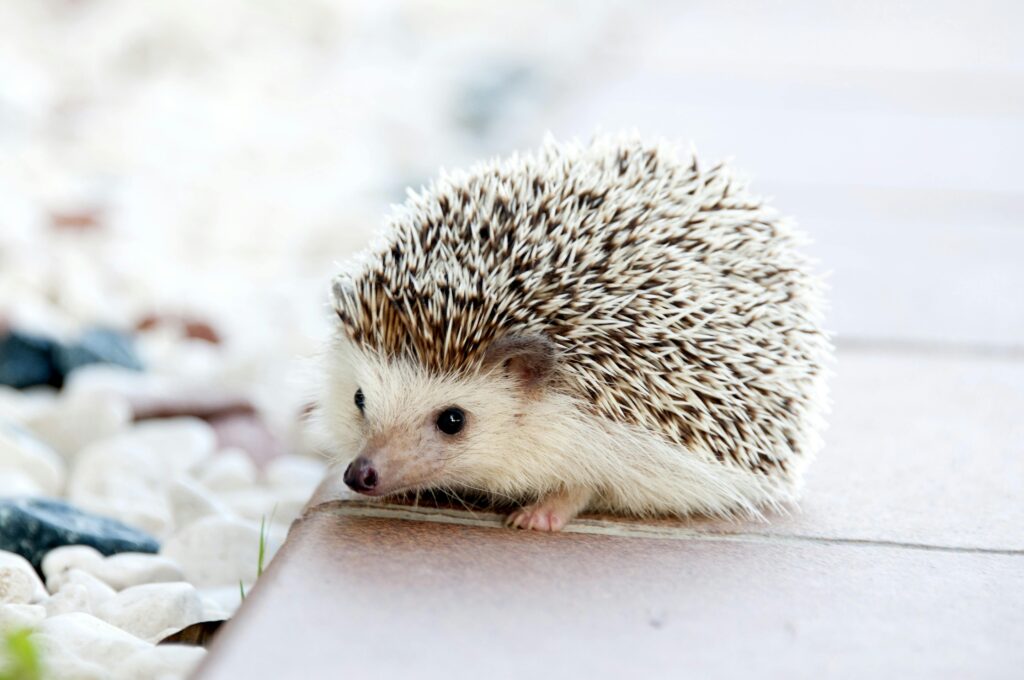
Hedgehogs are legal in some states and banned in others, so the first challenge is checking local laws. Even where allowed, they require stable warmth, clean bedding, and a controlled diet to avoid obesity. Many owners underestimate how sensitive hedgehogs can be to stress, especially with frequent handling or loud homes. They are also prone to certain health issues, and exotic vet visits can be expensive. They may look cuddly, but many are not naturally affectionate pets. Some hedgehogs stay shy for life and prefer quiet, predictable environments. Owners also need to monitor temperature closely, since chilling can quickly lead to illness.
3. Fennec Fox
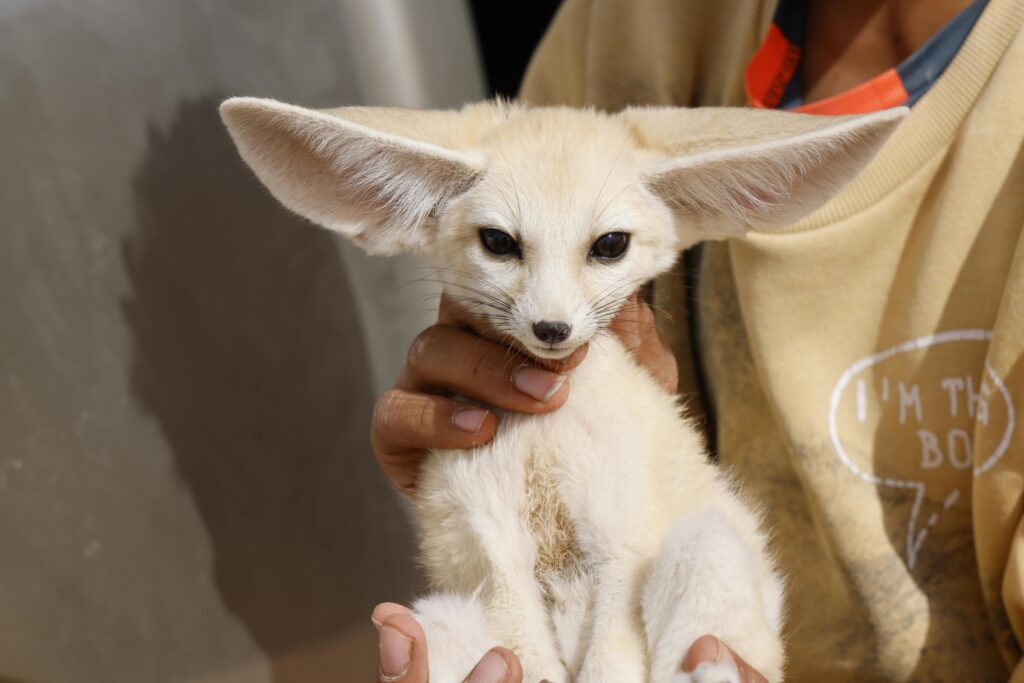
Fennec foxes are legal in some states with permits, but they behave more like wild animals than domestic pets. They are extremely energetic, can be destructive, and often mark territory with strong-smelling urine. Many owners underestimate how difficult they are to litter train and how easily they can escape. They also need a specialized diet and lots of enrichment to avoid stress behaviors. Even when well cared for, they can be loud, unpredictable, and challenging in family homes. They dig constantly, so flooring, furniture, and carpets often take damage. Their high prey drive can also make them unsafe around smaller pets.
4. Capuchin Monkey
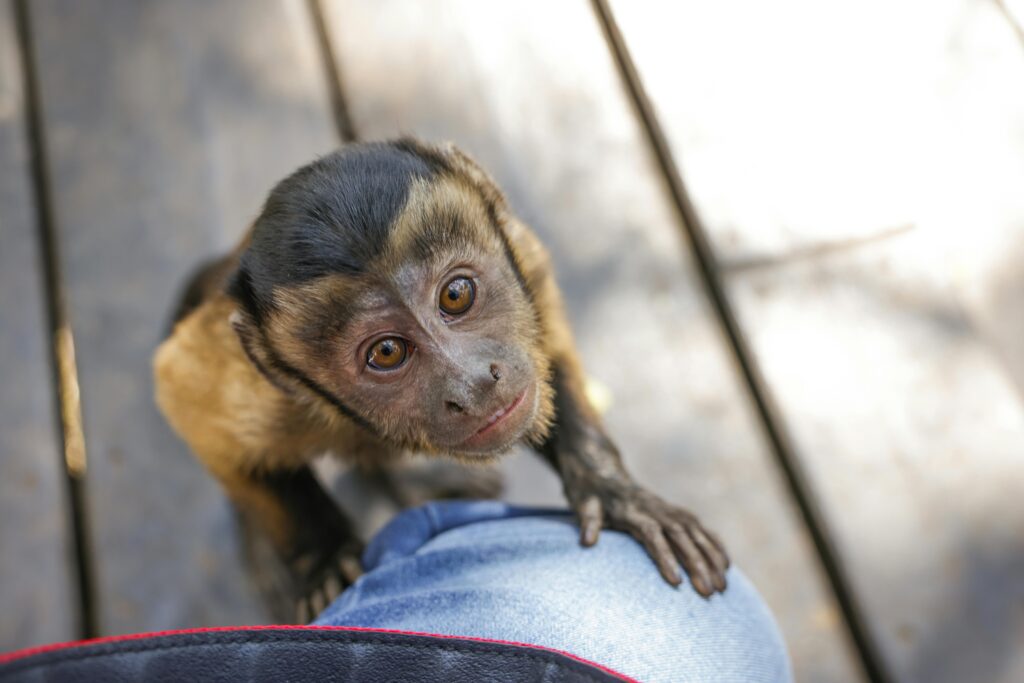
Some states allow capuchin monkeys with strict permits, but they are one of the most demanding exotic pets. They require constant mental stimulation, complex diets, and social interaction that humans cannot fully replace. Many owners underestimate how strong and intelligent they are, which can lead to biting, aggression, and serious injury as they mature. They also live for decades, creating a long-term responsibility that often outlasts family circumstances. Even well-trained capuchins can become unpredictable during adolescence and adulthood. They also need specialized housing, and many owners underestimate how much daily time they require.
5. Savannah Cat
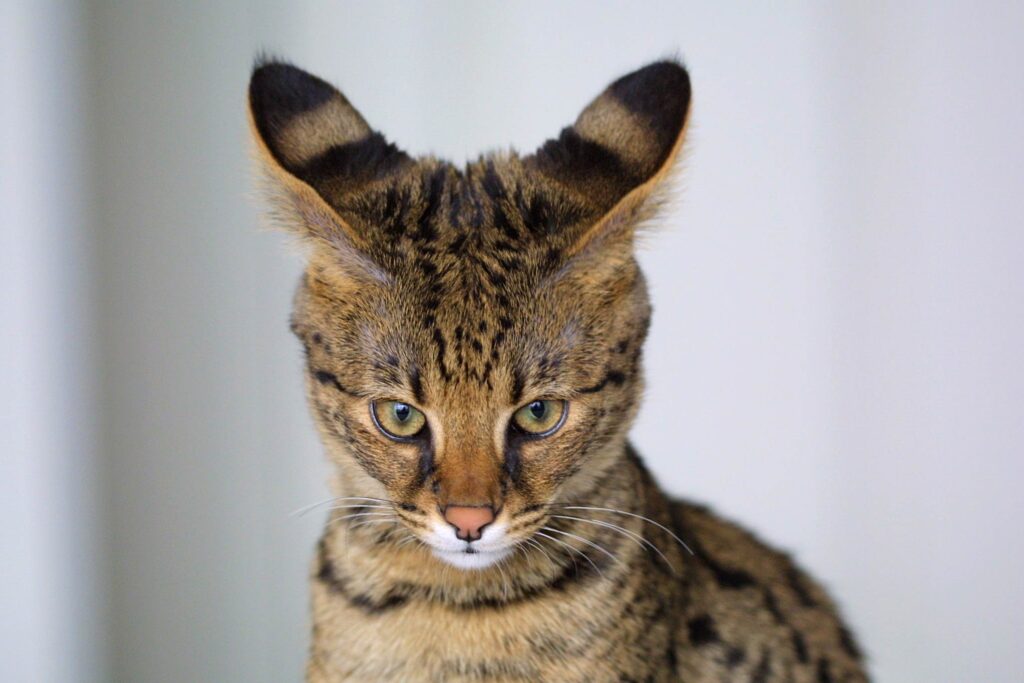
Savannah cats are a hybrid breed, and legality depends on the generation and the state. Even when legal, they are not typical house cats. Many owners underestimate their energy level, jumping ability, and need for stimulation. Some Savannah cats can open doors, climb high furniture, and become destructive if bored. They often need larger spaces, leash training, and interactive play daily. Vet care can also be more complicated, and not all landlords or insurers are comfortable with hybrid cats. Their personality can be closer to a dog than a cat, which is not what every household expects.
6. Axolotl
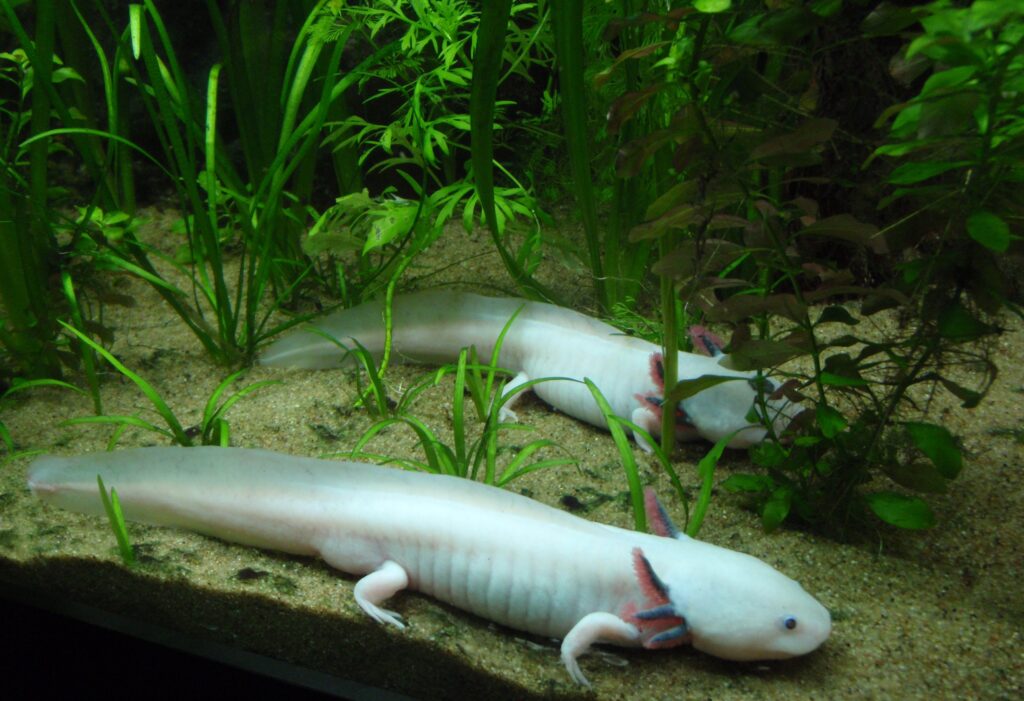
Axolotls are legal in many areas and are popular online, but they require very specific water conditions. Many owners underestimate how sensitive they are to temperature, water quality, and handling. They need a cycled tank, clean filtration, and consistent water testing to prevent illness. Axolotls are also not a pet you can “play with,” since touching them can harm their protective slime coat. When their tank setup is wrong, they can decline quickly, and treatment options are limited. They also need cool water, which can be challenging in warm climates without a chiller. Their care is closer to aquarium keeping than owning a traditional pet.
7. Ball Python
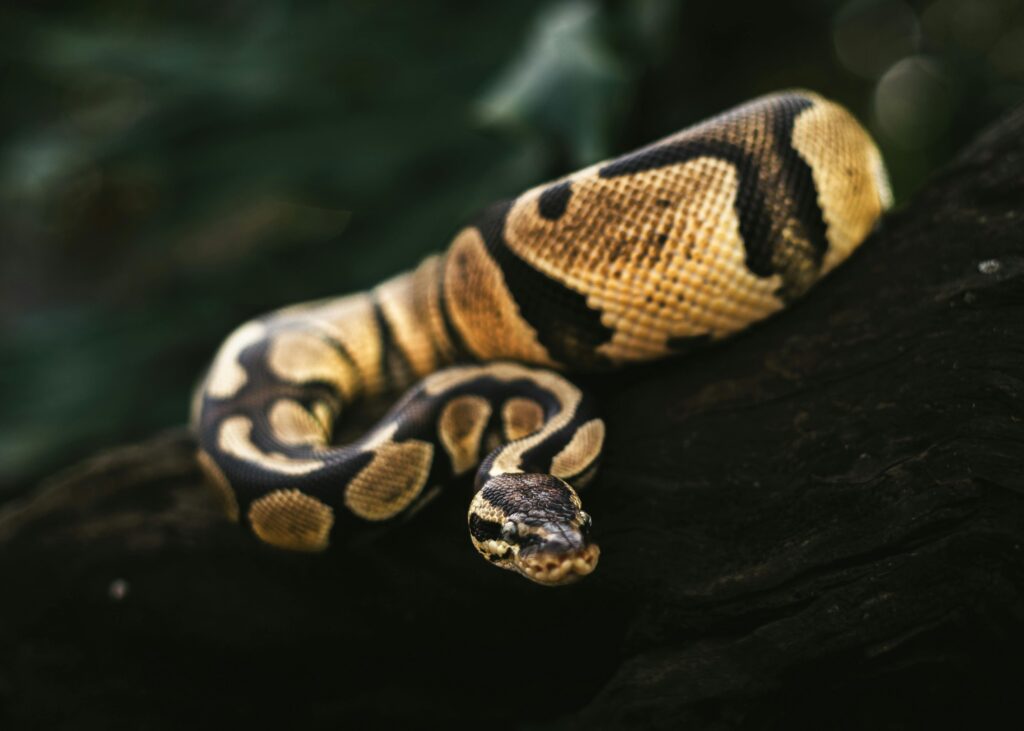
Ball pythons are legal in most of the U.S. and are often considered a beginner snake, but they still require proper heat, humidity, and secure housing. Many owners underestimate how easily they can escape, and a missing snake can become a major safety concern. Feeding can also be challenging, since some ball pythons go on hunger strikes when stressed. They live for decades, so this is a long-term commitment.Their enclosure needs regular monitoring, since low humidity can cause shedding problems. Owners also need to be comfortable feeding frozen or thawed rodents, which is a dealbreaker for many families.
8. Tarantula
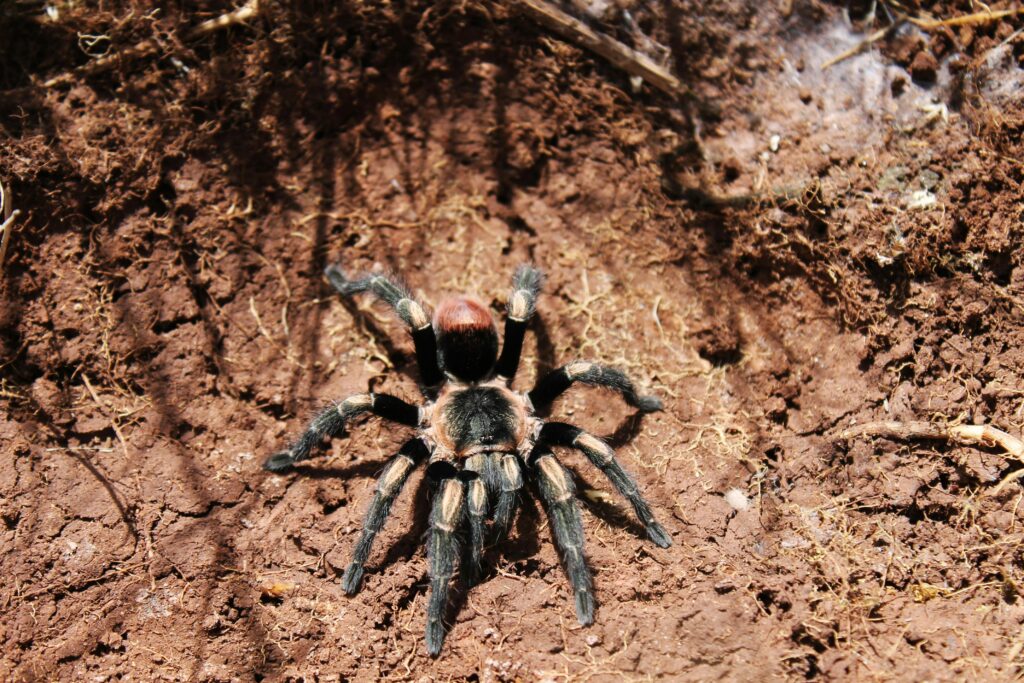
Tarantulas are legal in many states and can be easier than some exotic pets, but they still come with serious challenges. Many owners underestimate how fragile they are, since a small fall can be fatal. Some species have urticating hairs that can irritate skin and eyes, and bites, while uncommon, can still be painful. They also require specific humidity levels depending on the species. This is a look-not-touch pet, which can disappoint families expecting interaction. Some tarantulas also live surprisingly long, making them a long-term responsibility. Their enclosure must be secure, since escapes are stressful and difficult to handle safely.
9. Skunk (Descented)
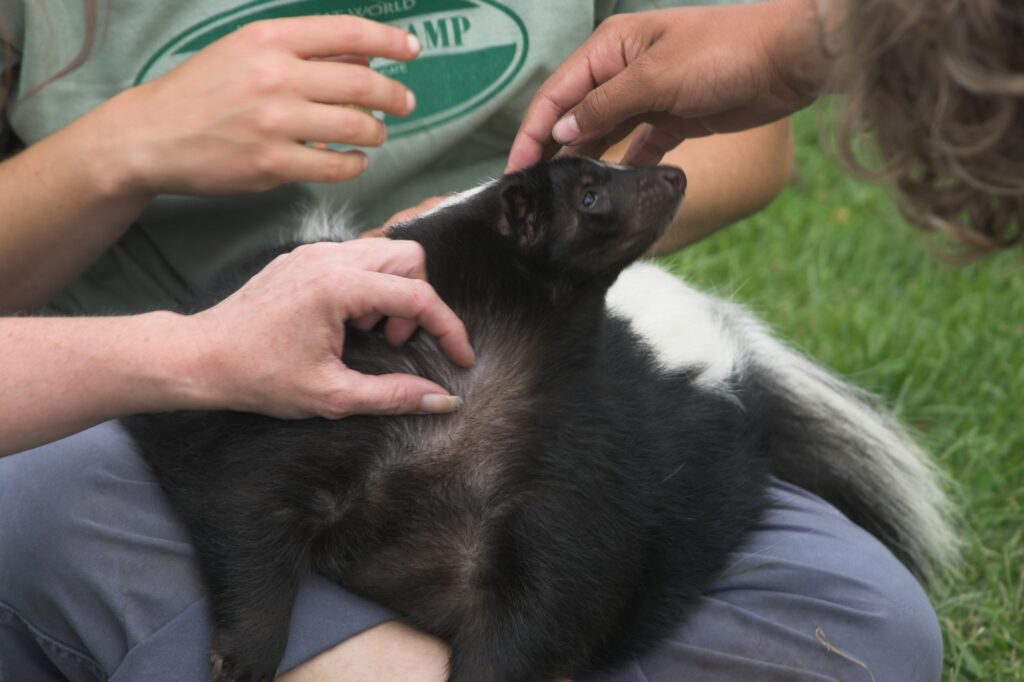
In some states,d descended skunks are legal with permits, but they are not simple pets. Many owners underestimate their intelligence and stubbornness, which makes training and enrichment essential. Skunks need a specialized diet to avoid obesity and health issues, and they can be destructive if bored. Vet care is also difficult, since not all clinics treat them. Legal ownership may also require paperwork, and some areas restrict rabies vaccination options, creating extra complications. Skunks are also strong diggers and can damage carpets and cabinets quickly. They need constant supervision, because they explore everything with confidence.