
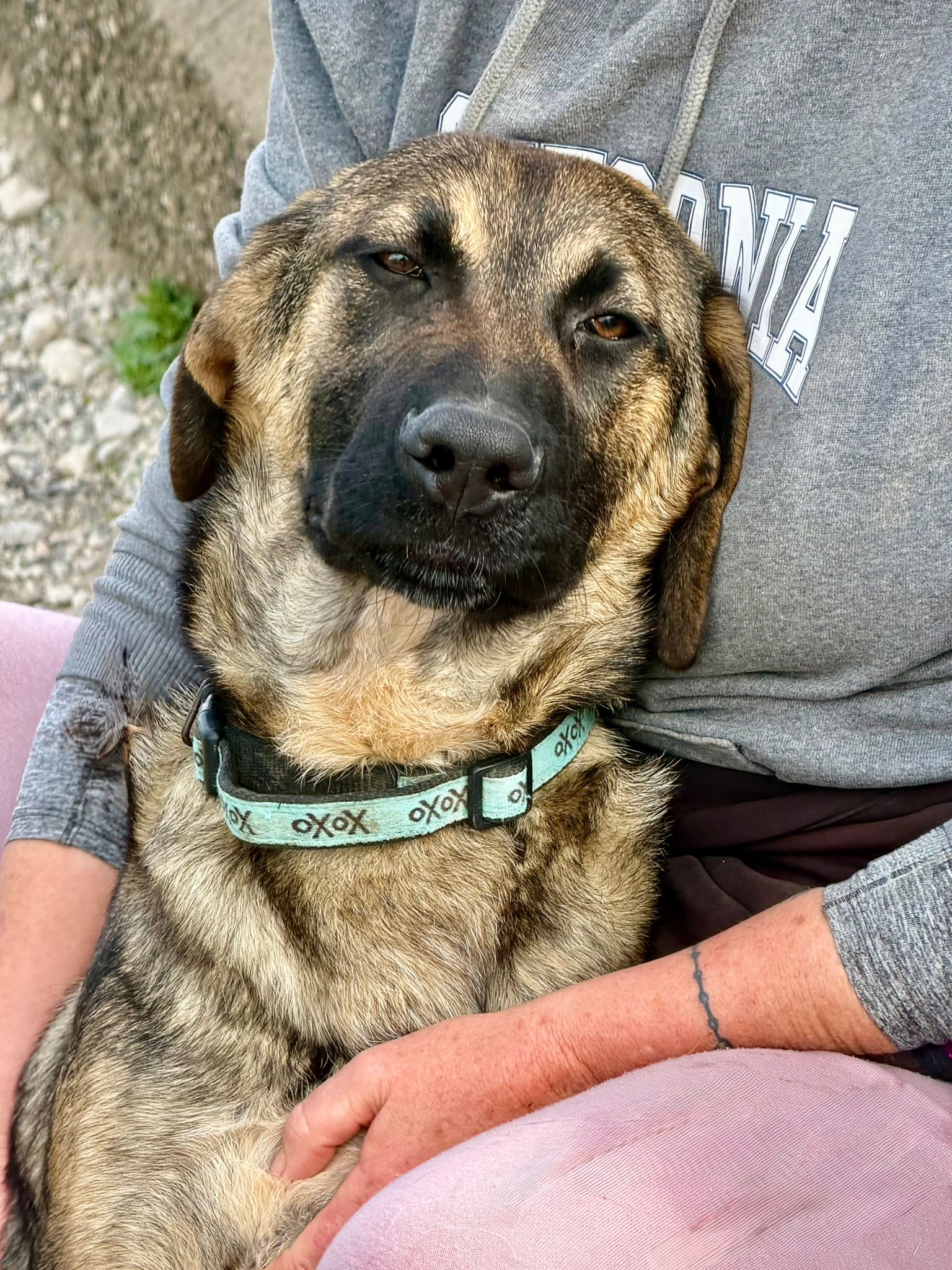




Traveling with a pet requires more preparation than packing food and clipping on a leash. New environments bring unfamiliar smells, shifting temperatures, crowded spaces, and unpredictable hazards that can quickly overwhelm even well-behaved animals. Responsible pet travel means planning for emergencies, comfort, and legal requirements before departure. The right safety gear protects not only your companion but also your trip itself from avoidable disruptions. These seven essential items go beyond basic accessories and form the foundation of safe, low-stress travel for pets on the road, in the air, or exploring new destinations.
1. Secure, Crash-Tested Travel Carrier or Harness
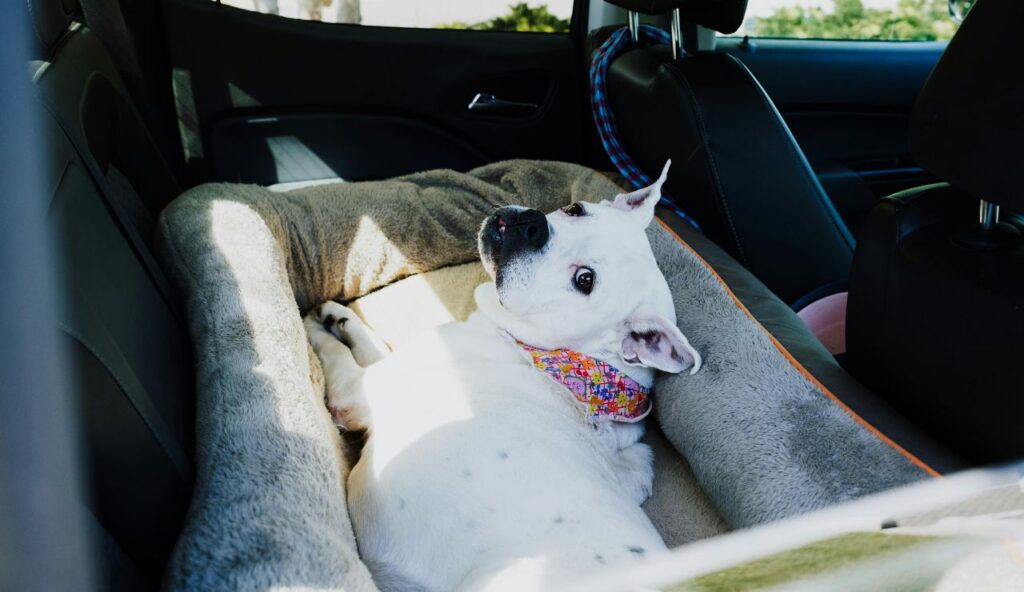
A loose pet inside a moving vehicle is at risk during sudden stops or collisions. Crash-tested carriers and vehicle harness systems are designed to absorb impact and prevent dangerous movement. They also reduce driver distraction, which improves safety for everyone in the car. For air travel, airline-approved carriers provide proper ventilation and structural support. Choosing the right size is critical, allowing your pet to stand and turn comfortably while remaining secure. This single investment dramatically reduces injury risk and ensures your pet travels safely from departure to arrival every time.
2. Updated Identification Tags and Microchip
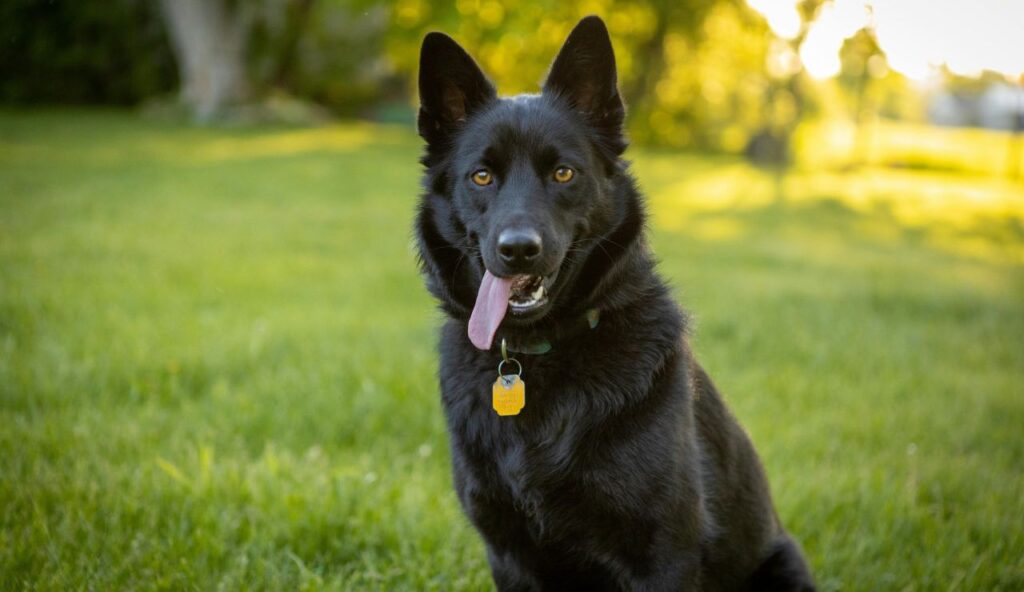
Even the calmest pet can become disoriented in a new location. Updated identification tags with a current phone number offer the fastest way for someone to return a lost animal. Microchipping adds a permanent layer of security, especially if a collar slips off. Before travel, confirm that registry details are accurate and accessible. Consider temporary travel tags that include your destination address. Quick identification reduces panic, shortens recovery time, and increases the likelihood of a safe reunion if your pet becomes separated in an unfamiliar place where surroundings and scents are completely unknown.
3. Portable Water System and Collapsible Bowl
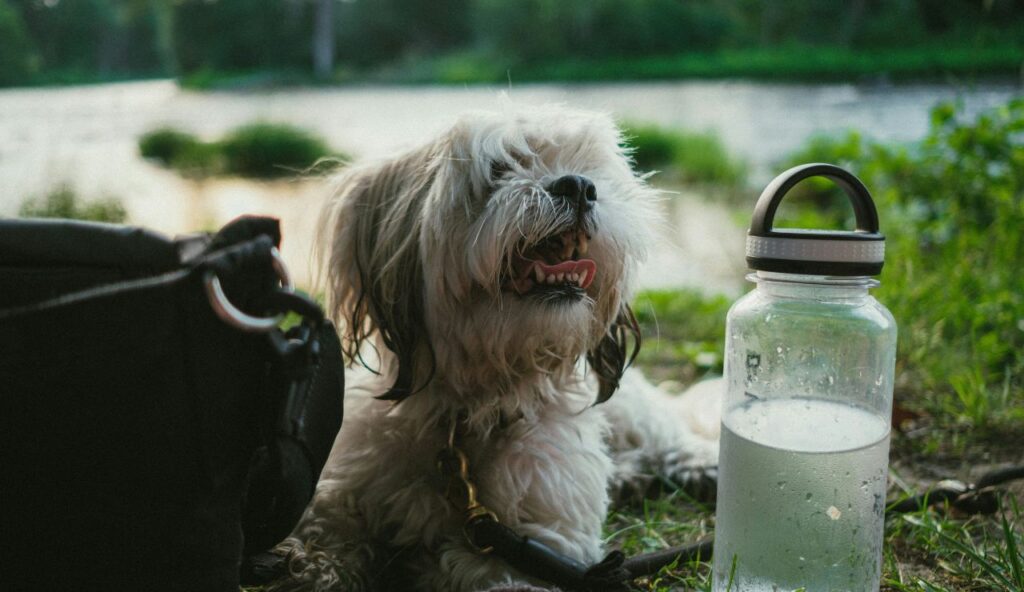
Hydration becomes even more important during travel, especially in warm climates or high-altitude destinations. Portable water bottles designed for pets allow controlled dispensing without waste, while collapsible bowls make rest stops easy and hygienic. Sharing public water containers can expose pets to bacteria and parasites, so bringing your own supply minimizes health risks. Dehydration can escalate quickly, causing fatigue, irritability, and heat stress that disrupt your trip. A reliable hydration system keeps energy levels stable and helps your pet adjust comfortably to long drives, airport waits, or sightseeing outings.
4. Pet First Aid Kit Tailored to Your Destination
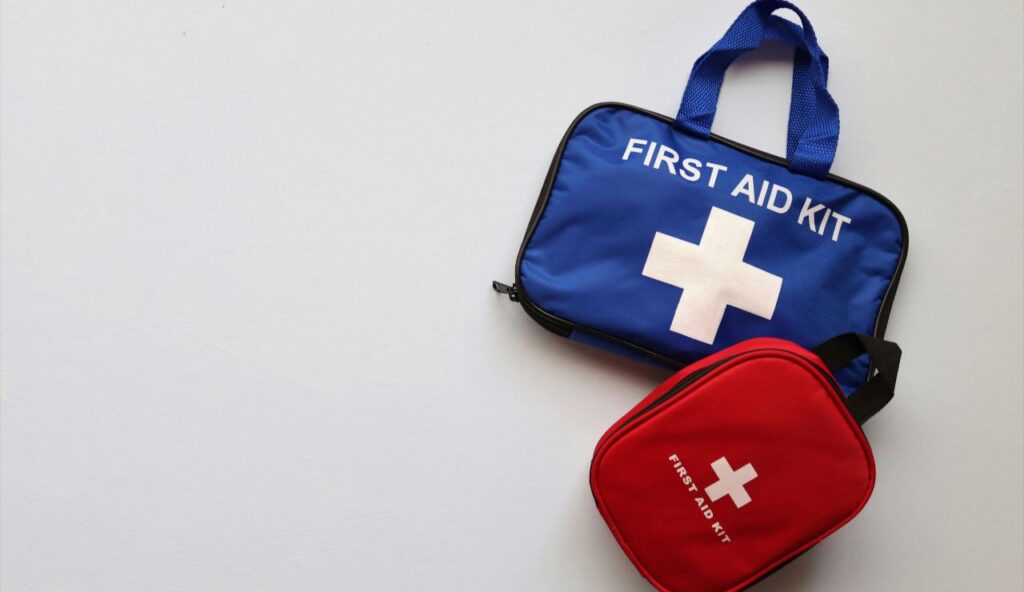
Minor injuries can happen during hikes, beach visits, or even routine rest stops. A pet-specific first aid kit should include bandages, antiseptic wipes, tweezers, styptic powder, and any prescribed medications. Destination matters; desert travel may require paw protection supplies, while wooded areas increase tick exposure risks. Coastal trips may call for a saline rinse to flush sand or debris from the eyes. Having essential tools on hand prevents small issues from becoming emergencies. Quick response protects your pet’s health and avoids costly, time-consuming searches for veterinary care in unfamiliar towns.
5. Calming Aids or Comfort Items
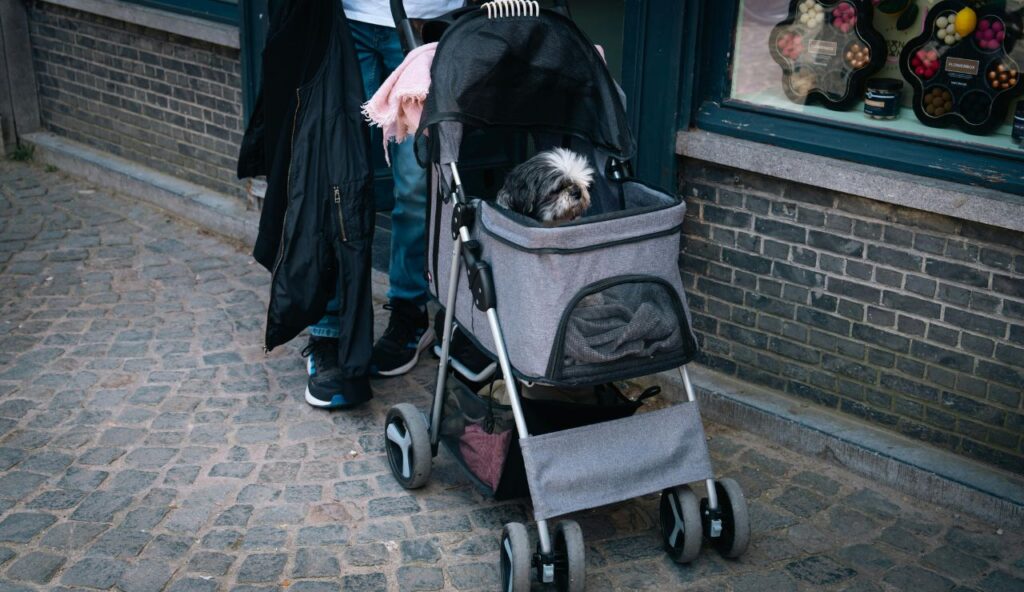
Travel disrupts familiar routines, which can trigger anxiety in pets sensitive to change. Familiar blankets, toys, or bedding carry comforting scents that reduce stress during transitions. For pets prone to motion anxiety, veterinarian-approved calming aids may provide additional support when used responsibly. The goal is not sedation but emotional stability and reassurance. Consistent reassurance during stops, check-ins, or crowded spaces also plays an important role. When pets feel secure, they eat better, sleep more consistently, and behave more predictably, making shared travel experiences safer and more enjoyable.
6. Weather-Appropriate Protective Gear
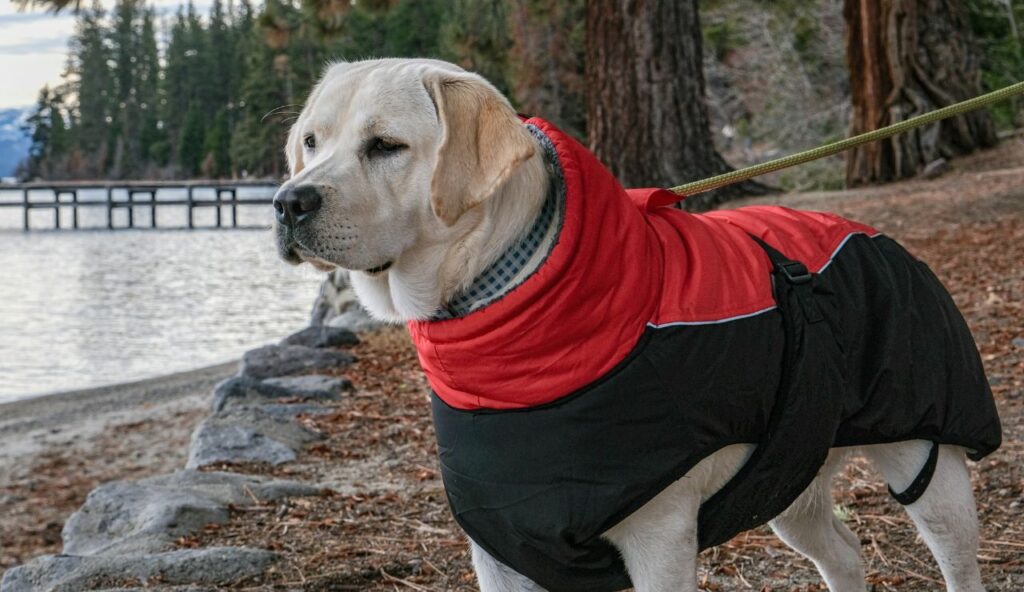
Temperature extremes pose serious risks to traveling pets. Protective booties shield paws from hot pavement or icy sidewalks, while cooling vests help regulate body temperature in summer heat. In colder climates, insulated jackets prevent hypothermia during outdoor activities. Travel often exposes pets to unfamiliar surfaces, sudden storms, or extended sun exposure that they do not encounter at home. Preparing for weather shifts ensures your pet remains comfortable and physically protected throughout the journey. Proper gear reduces the chance of burns, frostbite, overheating, or dehydration that could abruptly end your trip.
7. Copies of Vaccination Records and Emergency Contacts
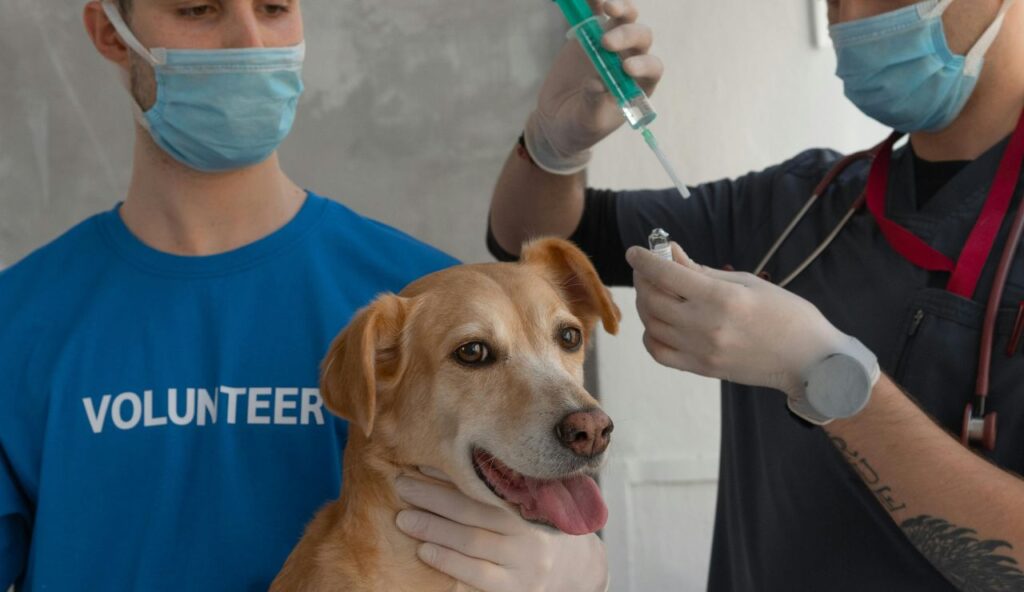
Many hotels, airlines, and border crossings require proof of vaccination before allowing pets on-site. Carrying digital and printed copies prevents delays or denied entry. Include contact information for your regular veterinarian and research emergency clinics near your destination in advance. Quick access to medical records speeds up treatment if illness or injury occurs. Organized documentation provides peace of mind and ensures you can respond efficiently in unexpected situations, keeping your pet’s safety a top priority throughout your journey, even when traveling across multiple locations or regions.